USA Basketball remains one of the most influential forces in global sports, but the landscape around it is changing rapidly. Rising international talent, evolving player development systems, and shifting priorities among elite athletes are reshaping the future of American basketball. Understanding how USA Basketball adapts to these trends offers valuable insight into the next era of international competition and the long-term health of the sport in the United States.
The End of Automatic Dominance
For decades, many basketball fans viewed international tournaments as largely predictable whenever the United States assembled its best players. That perception emerged from years of overwhelming success, particularly after the formation of the legendary Olympic teams of the 1990s and the resurgence that followed the disappointing performances of the early 2000s.
Today, however, international basketball looks very different.
The United States still possesses the deepest talent pool in the world, but the gap between American players and elite international competitors has narrowed significantly. Countries across Europe, South America, Africa, and Oceania have invested heavily in youth development, coaching education, and professional pathways.
The result is a more competitive global environment where victories are earned rather than assumed.
This shift should not necessarily be viewed as a threat. In many ways, it reflects basketball’s growth into a truly global sport.
Why International Competition Has Become Stronger
One of the biggest developments in modern basketball is the rise of world-class players from outside the United States.
Recent NBA seasons have featured some of the league’s most valuable players coming from overseas. Athletes such as Nikola Jokić, Giannis Antetokounmpo, and Luka Dončić have demonstrated that elite basketball talent now emerges from numerous regions around the world.
Several factors have contributed to this trend:
- Increased investment in youth academies
- Improved coaching infrastructure
- Greater access to training technology
- Expanded scouting networks
- More opportunities to compete internationally at younger ages
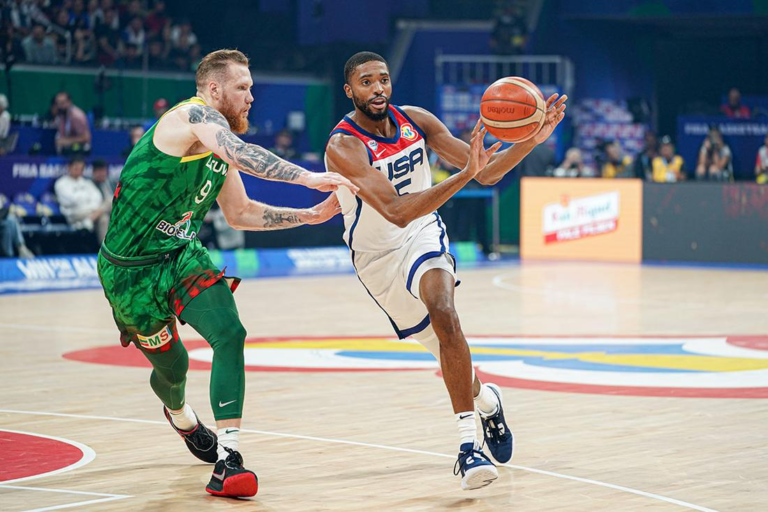
Many international prospects now receive high-level development long before reaching professional leagues. As a result, national teams arrive at major tournaments with experienced players who have competed together for years.
That continuity can create advantages against American teams that often assemble rosters only months before major competitions.
The Emerging Generation of American Talent
While global competition has intensified, the United States continues to produce extraordinary basketball talent.
The next chapter of USA Basketball will likely be defined by a new generation of players transitioning into leadership roles following the era dominated by stars such as LeBron James, Stephen Curry, and Kevin Durant.

Several characteristics define the emerging generation:
Positional Versatility
Modern American players are increasingly capable of performing multiple roles.
Guards are expected to rebound and defend bigger opponents. Forwards often initiate offense. Centers are asked to shoot from distance and facilitate ball movement.
This flexibility aligns well with international basketball, where tactical adaptability is essential.
Early Professional Preparation
Young American athletes now gain experience through:
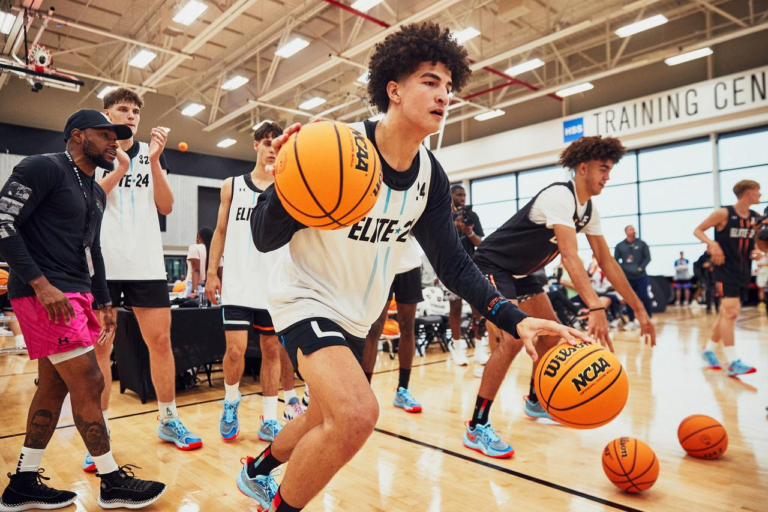
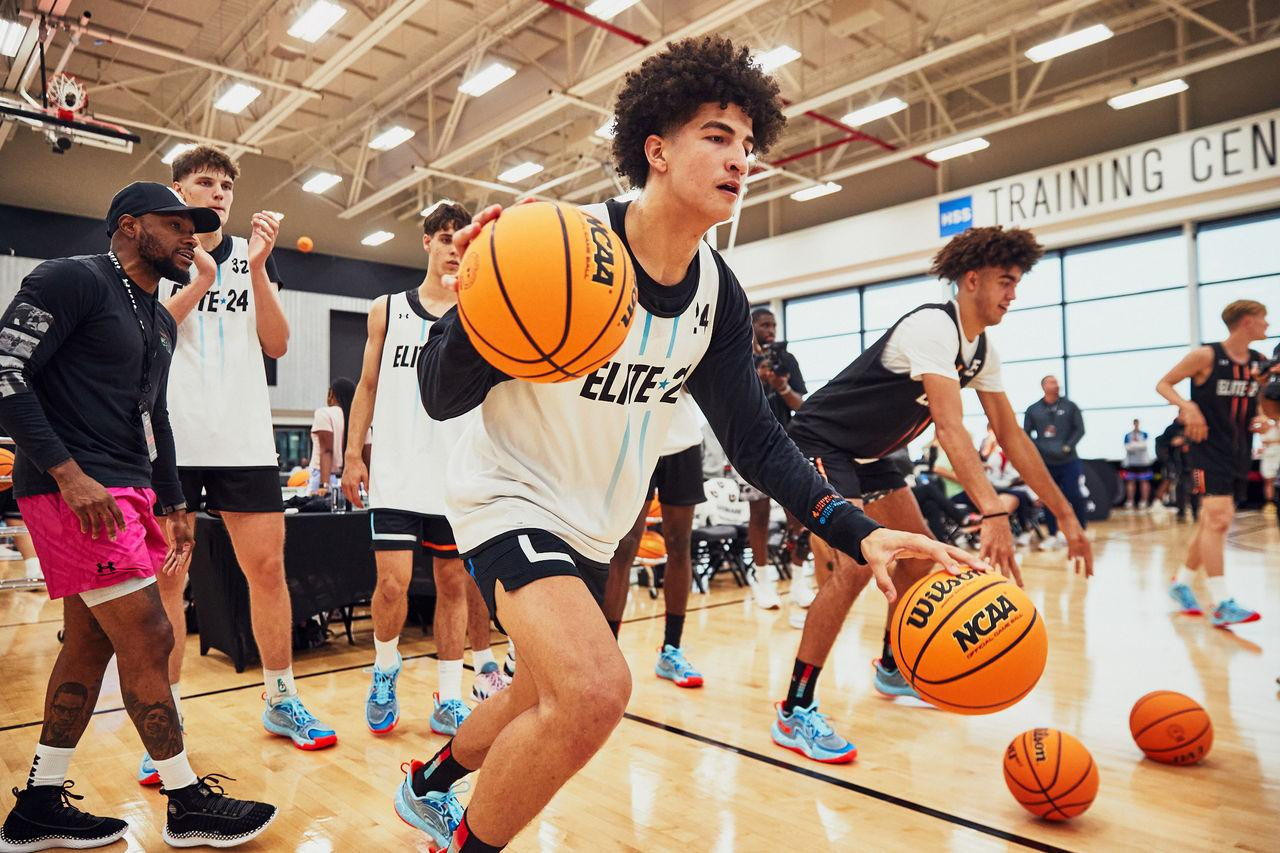
- Elite high school competitions
- Amateur circuits
- Development academies
- International youth tournaments
- Professional development programs
These opportunities expose players to diverse playing styles earlier than previous generations.
Greater Basketball Intelligence
Film study, analytics, and advanced training methods have accelerated player development. Young athletes increasingly enter national-team programs with sophisticated understanding of spacing, efficiency, and team concepts.
How USA Basketball Is Evolving Its Development Model
Success in international basketball requires more than collecting talented players.
USA Basketball has increasingly emphasized long-term development and continuity.
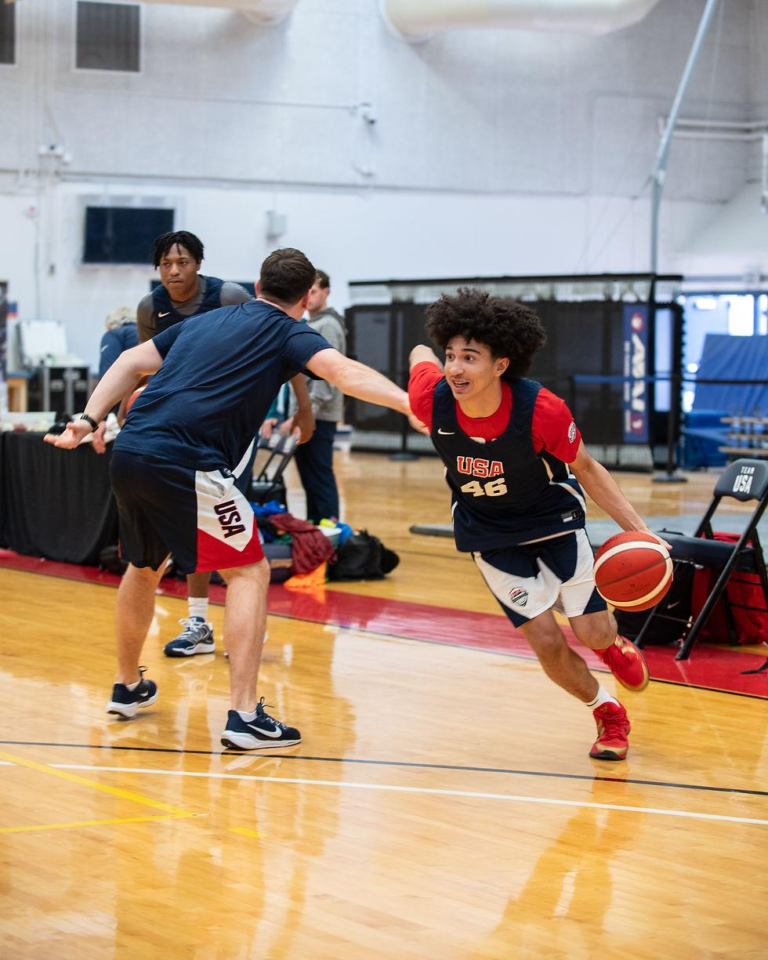
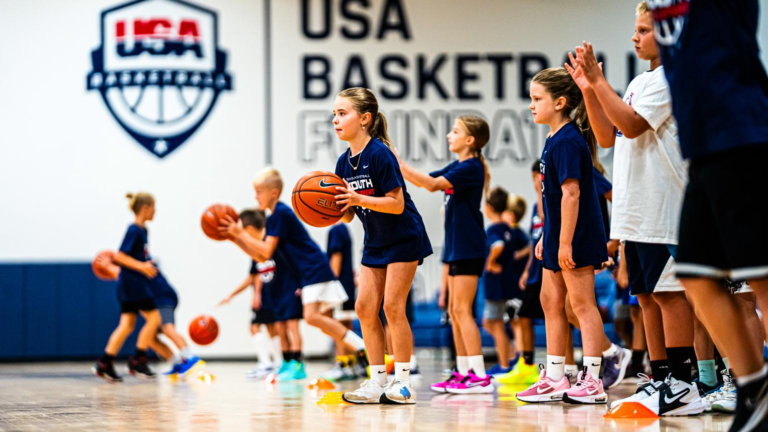
Rather than focusing exclusively on senior-level competition, the organization invests heavily in youth programs designed to create familiarity with national-team expectations.
Key areas of focus include:
- Under-16 and Under-17 programs
- Junior national team camps
- Coaching development initiatives
- International experience opportunities
- Leadership cultivation
These programs help players understand international rules, tournament formats, and team-oriented styles before reaching the senior level.
The objective is not merely to identify talent but to build a sustainable pipeline of future contributors.
The Importance of Team Chemistry
One recurring lesson from international competition is that talent alone does not guarantee success.
Many successful national teams benefit from years of continuity.
Players understand each other’s tendencies, coaching staffs maintain consistent systems, and team cultures develop over time.
For the United States, balancing star power with continuity remains a central challenge.
Consider what international tournaments demand:
- Short preparation windows
- Compressed schedules
- Different officiating styles
- Limited practice time
- High-pressure elimination games
Under these conditions, chemistry often becomes just as important as individual ability.
Future USA Basketball strategies may place even greater emphasis on retaining core groups across multiple tournament cycles.
The Growing Influence of Analytics
Analytics now shape basketball at every level.
National-team decision makers increasingly use data to evaluate lineup combinations, defensive schemes, player efficiency, and matchup strategies.
Advanced metrics can help answer questions such as:
- Which lineups generate the best scoring opportunities?
- Which defensive groups limit opponent efficiency?
- How does pace affect tournament success?
- Which players complement one another most effectively?
Analytics are unlikely to replace coaching instincts, but they provide valuable tools for decision-making.
The most successful programs typically combine statistical insights with experienced basketball judgment.
What NIL and New Pathways Mean for Future Players
The emergence of Name, Image, and Likeness (NIL) opportunities has changed the development landscape for American athletes.
College players now have more options and greater flexibility in shaping their careers.
At the same time, alternative pathways continue expanding.
Players may choose:
- Traditional college basketball
- Professional development leagues
- International professional opportunities
- Specialized training programs
These options create benefits but also introduce complexity.
USA Basketball must maintain strong relationships across all development pathways to ensure top talent remains connected to national-team programs.
The Globalization of Basketball Culture
Basketball is no longer dominated by a single national identity.
The NBA itself reflects this reality.
Teams feature players from dozens of countries, coaches exchange ideas across continents, and playing styles increasingly blend international influences.

This globalization has affected American basketball in several ways.
First, U.S. players regularly compete alongside international teammates, gaining exposure to different approaches and perspectives.
Second, American coaches increasingly incorporate concepts that originated overseas.
Third, global competition has raised standards throughout the sport.
Rather than diminishing American basketball, globalization has largely strengthened it.
What Challenges Could USA Basketball Face?
Several important challenges may shape the coming decade.
Player Availability
Elite NBA players face increasingly demanding schedules.
Balancing professional obligations, recovery needs, and international commitments can be difficult.
Maintaining strong participation rates will remain essential.
International Experience Gap
Many international national teams play together regularly throughout qualification cycles and regional competitions.
American rosters often have fewer opportunities to build long-term continuity.
Tactical Adaptation
International basketball emphasizes:
- Ball movement
- Team defense
- Half-court execution
- Physical play
- Strategic versatility
American teams must consistently adapt to styles that differ from the NBA environment.
Rising Global Depth
The number of countries capable of competing for medals continues growing.
Future tournaments may feature more legitimate contenders than ever before.
Why the Future Still Looks Strong
Despite increased competition, the foundation of American basketball remains exceptionally strong.
The United States continues to possess:
- The world’s deepest player pool
- Elite training resources
- Outstanding coaching talent
- Advanced sports science infrastructure
- Extensive youth participation
These advantages provide a powerful foundation for future success.
The key difference is that success can no longer be assumed. It must be earned through preparation, adaptability, and long-term planning.
In many respects, that reality may strengthen USA Basketball.
Programs often improve when challenged, and international competition now provides exactly that type of challenge.

Questions Fans Are Asking About USA Basketball’s Future
Will the United States continue to dominate international basketball?
The United States remains a leading contender in every major tournament, but dominance is no longer guaranteed. Global talent development has significantly increased competition.
Why are international teams becoming better?
Countries worldwide have invested in coaching, youth development, professional leagues, and player identification systems, producing stronger national programs.
Who are the future stars of USA Basketball?
The next generation includes numerous emerging NBA and collegiate players who will gradually assume leadership roles as veteran stars retire from international play.
Does international basketball require different skills than the NBA?
Yes. International competition often places greater emphasis on teamwork, tactical execution, physical defense, and familiarity with FIBA rules.
How important is team chemistry?
Extremely important. National teams with continuity frequently outperform more talented teams lacking experience together.
What role does analytics play?
Analytics help coaches evaluate lineups, matchups, efficiency trends, and strategic adjustments during tournaments.
Has globalization helped American basketball?
In many ways, yes. Exposure to international styles has expanded tactical creativity and elevated overall standards.
How does USA Basketball develop young players?
Through youth national teams, development camps, coaching programs, and international competition opportunities.
Could another country surpass the United States?
While the United States retains unmatched depth, several nations have built programs capable of challenging for championships.
What is the biggest factor in future success?
Maintaining elite player participation while building continuity and adapting to the evolving international game.
The Road Toward Basketball’s Next Global Era
USA Basketball stands at an important crossroads. The organization is no longer competing in a world where talent alone guarantees championships. Instead, it operates within a global ecosystem filled with elite players, sophisticated coaching systems, and highly organized national programs.
That reality should be viewed as a sign of basketball’s success rather than a warning. The sport has expanded, improved, and become more competitive than ever before. For American players, coaches, and fans, the next chapter offers an opportunity to redefine excellence through preparation, teamwork, innovation, and sustained development. If those elements remain priorities, USA Basketball is well-positioned to remain a central force in the global game for years to come.
About the Author