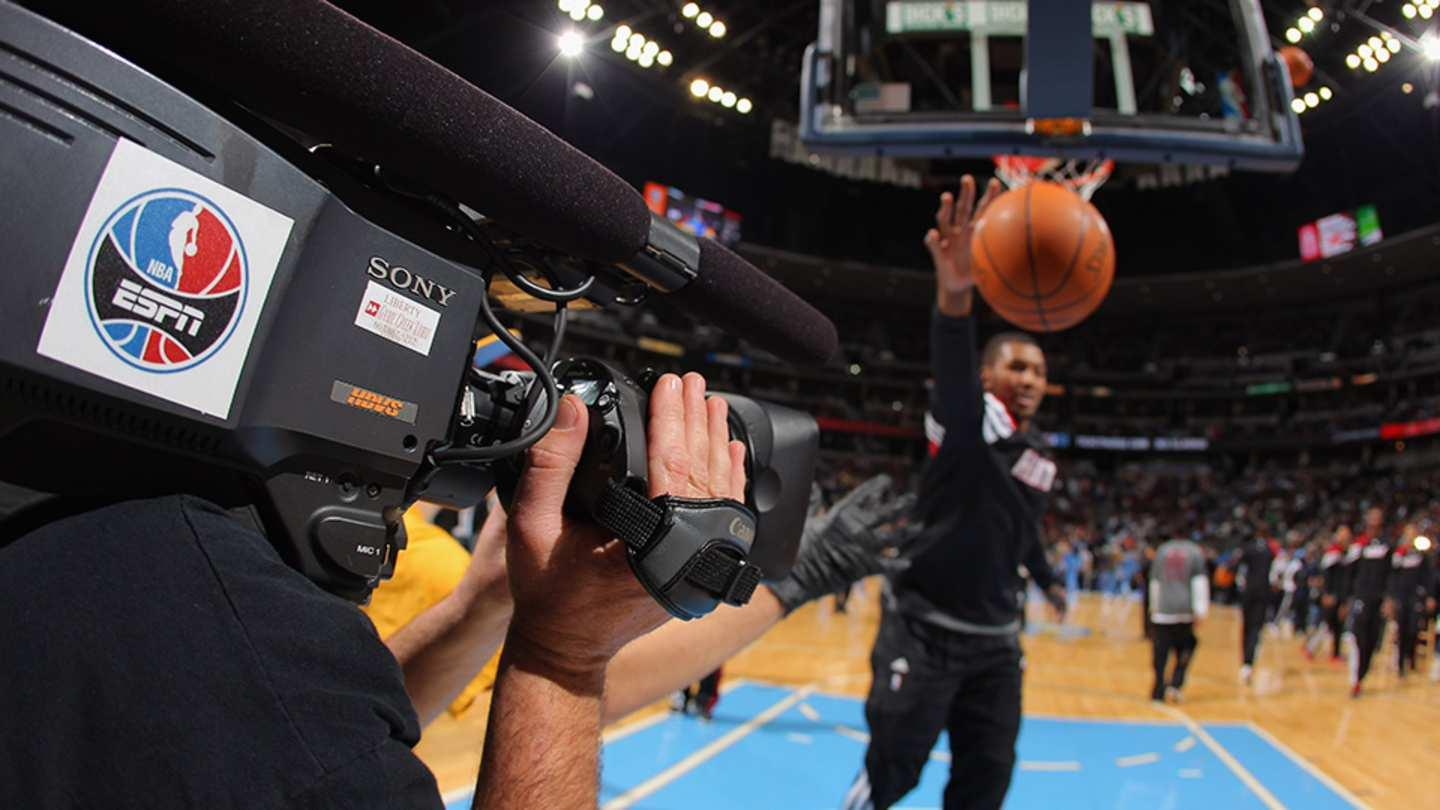
The NBA in 2026 is evolving beyond traditional conversations about star players and championship races. New media partnerships, shifting team-building strategies, expanding international influence, advanced analytics, player health management, and changing fan consumption habits are reshaping how the league operates. Understanding these developments helps fans, investors, media professionals, and casual observers better interpret the decisions that are defining the NBA’s next era.
The NBA’s New Era Is About More Than Wins and Losses
For decades, NBA news was largely centered on scores, trades, free agency, and championship contenders. While those topics remain important, the league’s most significant developments in 2026 extend far beyond the court.
The NBA has become one of the world’s most influential sports properties. Team valuations continue to rise, media rights have become increasingly valuable, and global audiences are engaging with the league at unprecedented levels. As a result, today’s NBA storylines often involve business strategy, technology, international expansion, player wellness, and content distribution alongside basketball performance.
For fans trying to understand where the league is heading, the most important question is no longer simply “Who will win the title?” Instead, it is “How is the NBA changing?”
The answer involves several interconnected trends that are redefining professional basketball.
Why Are Front Offices Valuing Flexibility More Than Ever?
One of the most noticeable shifts in recent years has been the emphasis on roster flexibility.
Teams are increasingly reluctant to commit long-term money to aging veterans unless those players provide clear championship-level value. The league’s financial structure has encouraged organizations to become more strategic with contracts, draft picks, and trade assets.
Instead of relying exclusively on superstar acquisitions, many franchises are building sustainable competitive windows through:
- Draft development
- Young core retention
- Financial flexibility
- Tradeable contracts
- Long-term cap management
Organizations that once chased headline-grabbing signings are now often prioritizing roster depth and asset preservation.
This shift reflects lessons learned from both successful and unsuccessful “superteam” experiments over the past decade.
The Continued Rise of International Basketball Talent
International players are no longer exceptions—they are central figures in the NBA landscape.
Many of the league’s most impactful stars have come from outside the United States, and scouting departments continue expanding their global reach. Teams now invest heavily in international evaluation networks, development programs, and overseas partnerships.
Several factors explain this trend:
- Improved youth development programs worldwide
- Increased exposure through international competitions
- Greater access to advanced coaching resources
- Expanded global scouting operations
The result is a deeper talent pool and a more diverse style of play.
Modern NBA offenses increasingly reflect basketball influences from Europe, Africa, Australia, and other regions. Ball movement, positionless basketball, and versatile skill development have become standard expectations rather than unique advantages.
For fans, this means future MVP candidates could emerge from virtually any basketball market in the world.
How Analytics Continue to Shape Basketball Decisions
Analytics have matured significantly from their early days.
A decade ago, advanced statistics were often viewed as an alternative perspective. Today, they are integrated into nearly every organizational decision.
Teams use analytics to evaluate:
- Shot quality
- Defensive matchups
- Lineup combinations
- Injury risk
- Player development pathways
- Opponent tendencies
However, the modern approach is more balanced than many assume.
Successful organizations increasingly combine data with traditional scouting rather than treating analytics as a replacement for basketball expertise.
For example, a player may produce strong efficiency metrics, but coaches and scouts still evaluate leadership, adaptability, work ethic, and playoff performance.
The most effective franchises are those that integrate quantitative and qualitative information into a unified decision-making process.
The Growing Importance of Player Health and Load Management
Few topics have generated more debate in NBA circles than player availability.
Teams invest millions of dollars in athletes, making health preservation a strategic priority. Sports science departments have become increasingly influential within organizations.
Modern player care includes:
- Biomechanical analysis
- Recovery monitoring
- Sleep optimization
- Nutrition planning
- Movement assessment
- Injury prevention programs
While some fans remain frustrated when stars miss games, teams generally view long-term availability as more important than maximizing short-term regular-season appearances.
A practical example can be seen during playoff preparation. Organizations often prioritize ensuring players are healthy in April, May, and June rather than pursuing marginal gains in January.
The conversation around load management continues evolving, but player health is now deeply embedded in league-wide decision-making.
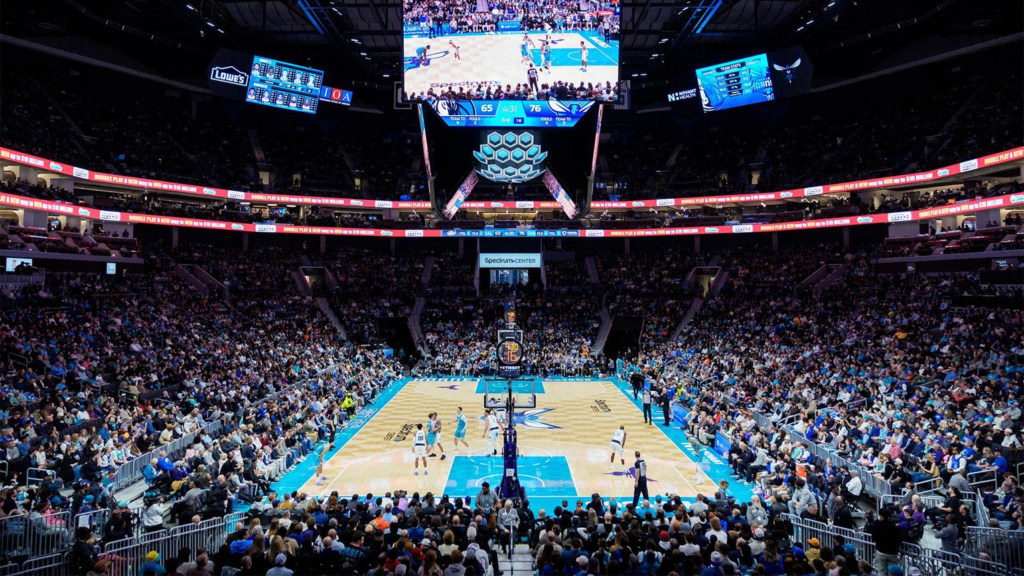
Media Consumption Is Transforming NBA Coverage
Another major story in 2026 involves how fans consume NBA content.
Traditional television broadcasts remain important, but younger audiences increasingly rely on:
- Streaming services
- Social media clips
- Podcasts
- Short-form video platforms
- Team-produced content
- Independent basketball creators
This shift has fundamentally changed sports journalism.
Breaking news now spreads within seconds. Trade rumors circulate continuously. Fans have access to player interviews, advanced analysis, and behind-the-scenes content from multiple sources simultaneously.
The challenge for consumers is distinguishing credible reporting from speculation.
As NBA coverage becomes more fragmented, trusted reporting and verified information have become increasingly valuable.
The New Economics of the NBA
Financial discussions have become a regular part of NBA news coverage.
Team values have risen dramatically, attracting greater interest from investors, business leaders, and media companies.
Several factors are driving this growth:
- Global audience expansion
- Digital media opportunities
- Sponsorship growth
- International partnerships
- Premium live sports demand
The league’s economic strength affects virtually every aspect of basketball operations.
Higher revenues influence salary structures, facility investments, technology adoption, and player development resources.
Even fans who primarily focus on basketball outcomes are increasingly encountering discussions about salary caps, luxury taxes, and revenue-sharing systems because those financial realities directly impact roster construction.
Why Younger Players Are Contributing Earlier
One notable development in recent NBA seasons has been the readiness of younger players.
Many prospects enter the league with more advanced skill sets than previous generations.
Several reasons explain this trend:
- Year-round training environments
- Enhanced access to coaching
- Specialized skill development
- International competition experience
- Video and analytics resources
Rookies today often arrive with professional-level shooting, ball handling, and tactical understanding.
This does not mean development has become less important. Instead, the starting point has shifted upward.
Organizations now focus on refining existing strengths rather than teaching fundamental concepts from scratch.
The result is faster player integration and greater expectations for early-career contributors.
The Battle Between Star Power and Team Depth
One of the most fascinating strategic debates in 2026 centers on roster construction.
Should teams prioritize multiple superstars or build balanced rosters with exceptional depth?
Recent seasons have provided evidence supporting both approaches.
Star-driven teams can dominate playoff series when elite players perform at their peak. However, deeper teams often prove more resilient when injuries occur or matchups become challenging.
Front offices increasingly seek a middle ground:
- One or two elite stars
- Reliable veteran contributors
- Young developmental talent
- Defensive versatility
- Financial flexibility
The organizations that best balance these elements are often the ones positioned for sustained success.

What Fans Should Watch for During the Rest of 2026
Several emerging storylines deserve close attention.
International Expansion Efforts
The league continues exploring opportunities to deepen its global presence through events, partnerships, and audience engagement initiatives.
Advanced Technology Integration
Artificial intelligence, tracking systems, and performance analytics are becoming more sophisticated each year.
Player Empowerment Evolution
Players remain influential voices in shaping league conversations, business ventures, and social initiatives.
Future Media Experiences
Broadcast innovation, streaming enhancements, and personalized viewing experiences may significantly change how fans engage with games.
Development Pipeline Growth
Youth basketball systems and international academies continue expanding the talent base entering professional basketball.
Each of these developments could influence the NBA’s competitive and commercial landscape for years to come.

Frequently Asked Questions
Why is NBA news different in 2026 compared to previous years?
Coverage now focuses more heavily on business strategy, analytics, technology, international growth, and media trends alongside traditional basketball topics.
Are superteams still the preferred model for winning championships?
Not necessarily. Many organizations now emphasize roster depth, financial flexibility, and long-term sustainability.
Why are international players becoming so important?
Global development programs have improved significantly, creating a larger pool of elite basketball talent worldwide.
How important are analytics in today’s NBA?
Analytics influence nearly every major decision, but successful teams combine data analysis with traditional scouting and coaching expertise.
What is load management?
Load management refers to strategies designed to reduce injury risk and preserve player health throughout a season.
Why do NBA teams invest so much in sports science?
Healthier players are generally more available, productive, and effective during the most important parts of the season.
How has social media changed NBA coverage?
News spreads faster, fans have more direct access to players, and independent creators play a larger role in basketball discussions.
What role does the salary cap play in team building?
The salary cap affects contract decisions, roster flexibility, trade opportunities, and long-term planning.
Why are younger players contributing earlier?
Modern training environments and development systems prepare many prospects more effectively before they enter the NBA.
What trend may have the biggest long-term impact?
The continued globalization of basketball could reshape talent acquisition, fan engagement, and league growth for decades.
About the Author