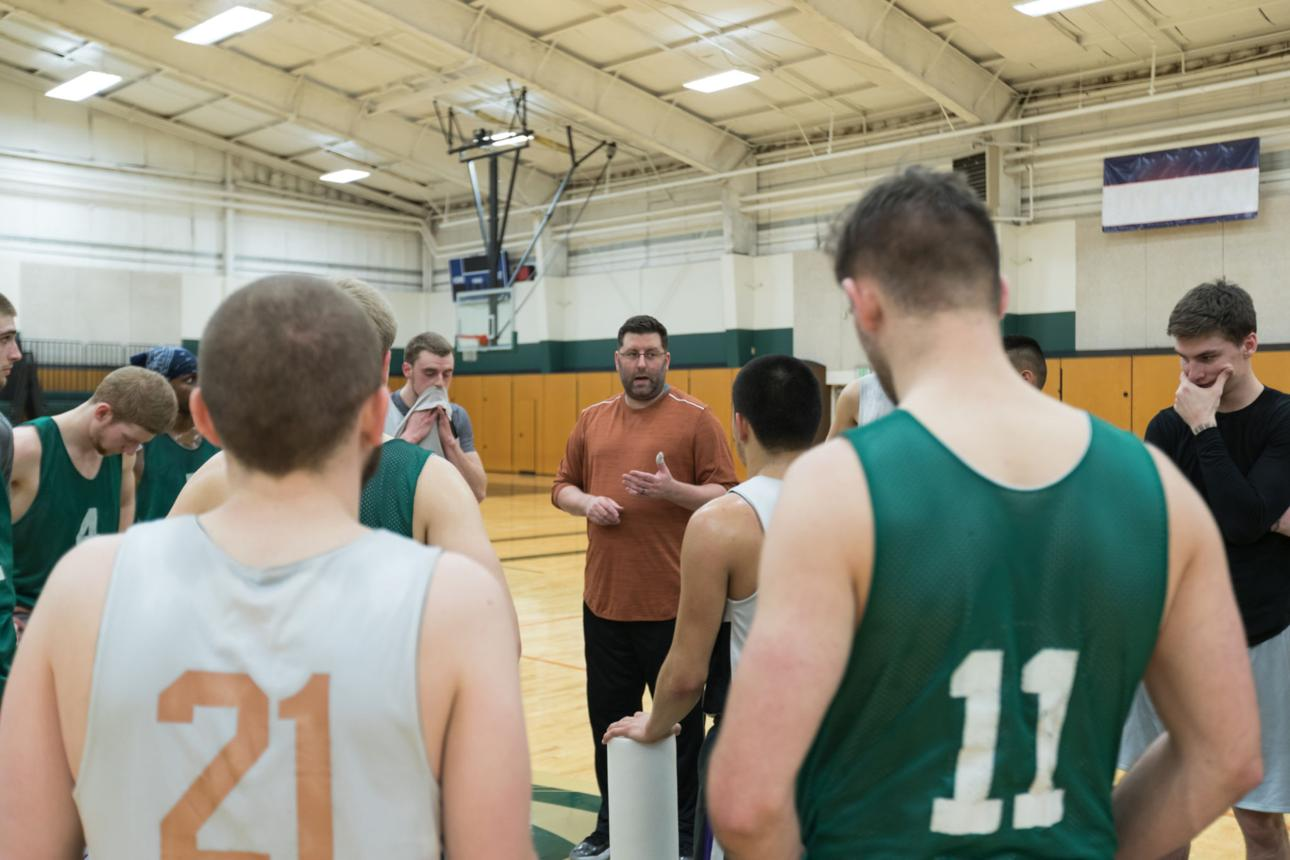
NCAA basketball is undergoing one of the most significant transformations in its history. Between NIL opportunities, the transfer portal, changing recruiting strategies, evolving player development models, and increased competition for talent, successful programs are adapting faster than ever. Today’s leading schools are building flexible rosters, investing in analytics, prioritizing culture, and creating professional-style environments to remain competitive in an increasingly dynamic college basketball landscape.
NCAA Basketball Is No Longer Operating Under the Old Playbook
For decades, the formula for building a successful college basketball program seemed relatively straightforward. Recruit elite high school players, develop them over several years, maintain roster continuity, and build a strong culture that could sustain success.
That model still matters, but it no longer guarantees results.
The modern NCAA basketball environment has been reshaped by several major developments:
- Name, Image, and Likeness (NIL) opportunities
- The transfer portal
- Immediate player eligibility after transfers
- Increased player mobility
- Expanded use of analytics
- Professionalized recruiting operations
- Greater emphasis on player branding
Programs that fail to adapt risk falling behind quickly.
Today’s most successful teams are approaching roster construction, player development, and program management with strategies that would have looked very different just a decade ago.
Why Has NCAA Basketball Changed So Quickly?
Several forces converged within a short period.
The transfer portal dramatically increased player movement across college athletics. According to NCAA data, thousands of athletes enter the portal annually, creating an environment where roster turnover can occur almost overnight.
At the same time, NIL legislation introduced new opportunities for athletes to monetize their personal brands. While NIL was designed to support student-athletes, it also changed recruiting conversations and roster retention strategies.
The result is a more fluid marketplace for talent.
Programs now compete not only on coaching, facilities, and tradition but also on player experience, branding opportunities, and development pathways.
This reality has forced coaching staffs to rethink nearly every aspect of program management.
How Are Successful Programs Recruiting Differently?
Recruiting remains essential, but the methods have evolved.
Previously, many coaches focused heavily on high school recruiting classes years in advance. While that remains important, roster-building has become far more diversified.
Modern recruiting departments often divide efforts among:
- High school prospects
- Transfer portal candidates
- International players
- Junior college athletes
- Existing roster retention
Some programs now allocate nearly as many resources to portal scouting as they do traditional recruiting.
Rather than pursuing only five-star recruits, coaches increasingly target players who fit specific systems and culture requirements.
A player who perfectly fits a defensive scheme may provide more value than a higher-ranked recruit whose style doesn’t align with team needs.
This shift reflects a broader emphasis on roster fit over recruiting rankings alone.
The Transfer Portal Has Become a Competitive Necessity
One of the biggest questions fans ask is:
Is the transfer portal helping or hurting college basketball?
The answer depends on perspective.
For programs, the portal has become both a challenge and an opportunity.
Successful coaches now view roster management similarly to professional sports organizations. Instead of waiting years for player development, teams can address immediate weaknesses through strategic transfers.
For example:
- A team lacking perimeter shooting can target experienced shooters.
- A program needing interior defense can recruit veteran big men.
- Leadership gaps can be filled through experienced upperclassmen.
Programs reaching the NCAA Tournament increasingly feature impactful transfer additions.
Recent tournament runs across multiple conferences have demonstrated that experienced transfers often provide immediate production and leadership.
However, programs that rely exclusively on transfers sometimes struggle with chemistry and long-term continuity.
The most successful teams typically combine transfers with homegrown talent.
NIL Has Become a Retention Strategy, Not Just a Recruiting Tool
Public discussion often frames NIL as a recruiting advantage.
In reality, many coaches view NIL primarily as a retention tool.
Keeping productive players has become just as important as acquiring new ones.
Programs increasingly work with collectives, local businesses, and alumni networks to create opportunities that encourage athletes to remain within the program.
The most effective NIL strategies focus on:
- Long-term brand development
- Community engagement
- Business education
- Local partnerships
- Professional networking
Athletes today often evaluate schools based on both basketball opportunities and broader career development.
Programs that help players build sustainable personal brands frequently gain an advantage in retaining talent.

Why Player Development Matters More Than Ever
Despite increased player movement, development remains a critical competitive advantage.
The difference is that development now happens within a shorter timeframe.
Coaches can no longer assume they will have four years with every player.
As a result, many programs have invested heavily in:
- Sports science
- Performance tracking
- Nutrition programs
- Skill development coaches
- Mental performance specialists
- Recovery technology
Many schools now operate with structures that closely resemble professional organizations.
Players receive individualized development plans, detailed performance analytics, and personalized training programs.
This approach helps maximize improvement regardless of whether an athlete remains in the program for one year or four.
The Growing Role of Analytics in College Basketball
Analytics have become deeply embedded in decision-making.
While traditional statistics remain useful, modern programs increasingly analyze:
- Shot quality
- Possession efficiency
- Defensive matchups
- Lineup combinations
- Transition performance
- Rebounding percentages
- Player workload metrics
Analytics help coaches identify trends that may not be obvious through observation alone.
For example, a lineup might have average scoring numbers but consistently generate higher-quality shot opportunities.
Similarly, data may reveal defensive weaknesses that traditional box scores fail to capture.
Elite programs increasingly combine analytics with coaching experience rather than relying exclusively on either approach.
The best decisions often emerge from balancing data insights with practical basketball knowledge.
Building Culture in an Era of Constant Change
Many observers wonder whether strong team culture is still possible when rosters change so frequently.
The answer appears to be yes.
In fact, culture may be more important than ever.
Programs known for sustained success often establish clear expectations that remain consistent regardless of roster turnover.
These expectations typically include:
- Accountability
- Communication
- Work ethic
- Team-first decision making
- Leadership standards
- Academic commitment
Strong cultures help integrate transfers more quickly and reduce the disruption associated with roster changes.
Coaches frequently describe culture as the program’s “operating system”—something that remains stable even when personnel changes occur.
Programs that successfully maintain this stability often outperform more talented teams lacking cohesion.
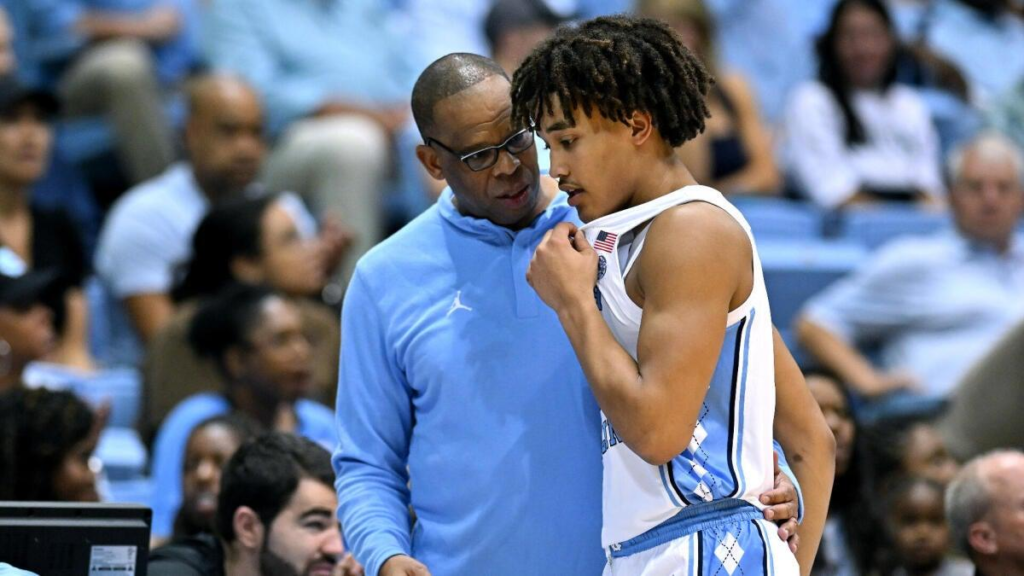
International Recruiting Is Expanding Opportunities
Another emerging trend involves international recruiting.
College basketball programs increasingly identify talent outside traditional U.S. recruiting pipelines.
Players from countries such as:
- Canada
- Australia
- France
- Germany
- Serbia
- Spain
- Lithuania
have become important contributors at many NCAA programs.
International prospects often bring unique skill sets and basketball experience developed through professional club systems.
For schools, global recruiting expands the talent pool significantly.
As scouting technology improves, coaches can evaluate international players more effectively than ever before.
This trend is likely to continue growing over the next decade.
What Are Fans and Recruits Looking For Today?
Modern recruits evaluate programs differently than previous generations.
While winning remains important, athletes increasingly consider a broader range of factors.
Many recruits now ask:
- How will this program develop me?
- What NIL opportunities exist?
- What is the coaching stability?
- How successful are former players?
- What resources are available off the court?
- How strong is the support network?
Similarly, fans have become more informed about roster construction and program management.
Discussions that once focused exclusively on recruiting rankings now include transfer portal activity, NIL strategies, player retention, and developmental infrastructure.
The conversation surrounding college basketball has become far more sophisticated.
How Leading Programs Are Creating Professional Environments
Perhaps the biggest shift involves operational structure.
Top programs increasingly resemble professional franchises.
Many now employ:
- General manager-style personnel roles
- Dedicated analytics departments
- Recruiting specialists
- Branding consultants
- Mental performance coaches
- Sports science experts
These additions allow head coaches to focus more heavily on strategy, leadership, and player development.
The result is a more comprehensive support system for athletes.
Programs that invest in these resources often gain advantages in recruiting, retention, and performance.
This evolution reflects the growing complexity of managing a successful NCAA basketball program.
What the Future of NCAA Basketball May Look Like
The next phase of college basketball will likely involve continued adaptation.
Several trends appear positioned to shape the future:
- Increased roster mobility
- Expanded NIL ecosystems
- Greater use of data analytics
- More international recruiting
- Enhanced player support services
- Professionalized front-office structures
At the same time, traditional elements of success will remain relevant.
Great coaching, player development, leadership, and team chemistry still matter tremendously.
The difference is that programs must now excel in both traditional basketball fundamentals and modern organizational management.
Those capable of balancing both areas will likely define the next generation of NCAA basketball success.
The Competitive Formula Emerging Across College Basketball
The most successful NCAA basketball programs are not simply recruiting better players. They are building adaptable systems capable of thriving amid constant change.
Whether through strategic transfer portal usage, sophisticated NIL planning, advanced analytics, international recruiting, or enhanced player development, today’s leaders recognize that competitiveness requires flexibility.
The programs setting the standard are treating college basketball as a year-round organizational challenge rather than a seasonal coaching exercise. As the sport continues evolving, adaptability may become the most valuable competitive advantage of all.

Frequently Asked Questions
1. What is the biggest change in NCAA basketball today?
The combination of the transfer portal and NIL opportunities has dramatically increased player mobility and changed how programs recruit, retain, and develop athletes.
2. Why are more players transferring between schools?
Immediate eligibility rules and expanded opportunities allow athletes to seek better playing time, development situations, academic fits, or NIL opportunities.
3. Are high school recruits still important?
Yes. Most successful programs continue recruiting high school talent while supplementing rosters with transfers and international prospects.
4. How does NIL affect college basketball?
NIL allows athletes to earn income from their personal brands, creating new dynamics in recruiting and player retention.
5. What role does analytics play in modern programs?
Analytics support decision-making related to recruiting, player development, lineup optimization, game strategy, and performance evaluation.
6. Are international players becoming more common in NCAA basketball?
Yes. Many programs actively recruit internationally to access broader talent pools and unique player skill sets.
7. Why do teams hire general manager-type personnel?
Roster management has become increasingly complex. Dedicated personnel staff help oversee recruiting, transfers, NIL coordination, and player retention.
8. Can teams still build strong cultures despite roster turnover?
Yes. Programs with clear values, leadership structures, and accountability systems often maintain strong cultures regardless of personnel changes.
9. How important is player development today?
Player development remains essential, but programs now focus on accelerating improvement through individualized training and advanced support resources.
10. What skills will future NCAA coaches need most?
Future coaches will likely need expertise in leadership, roster construction, relationship management, analytics, recruiting, and organizational strategy.
About the Author