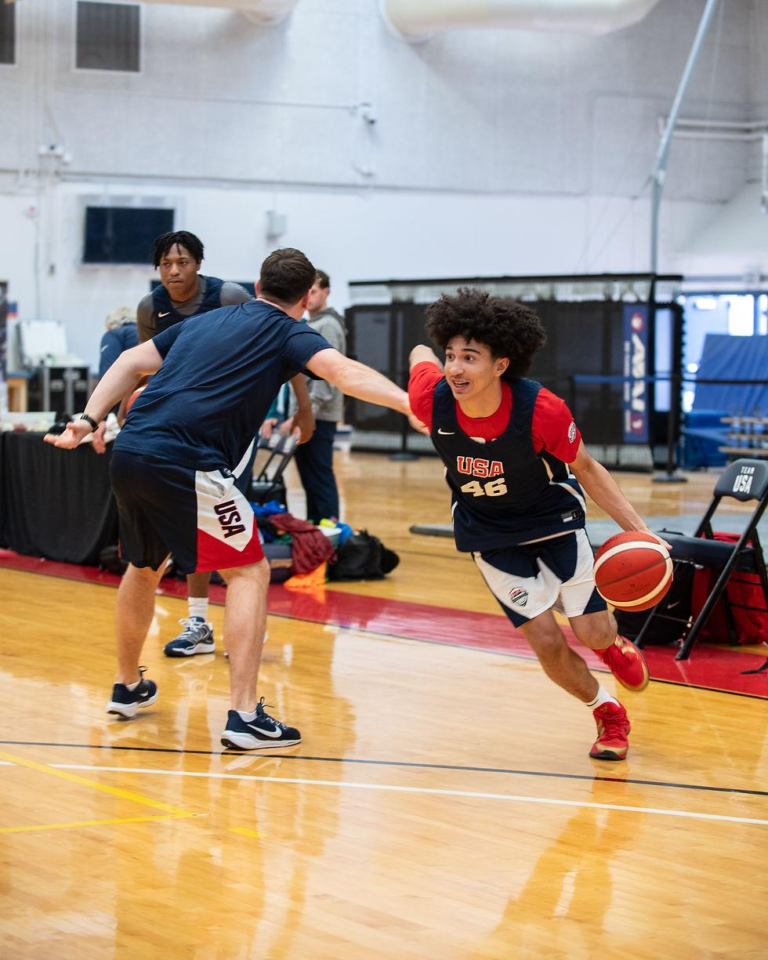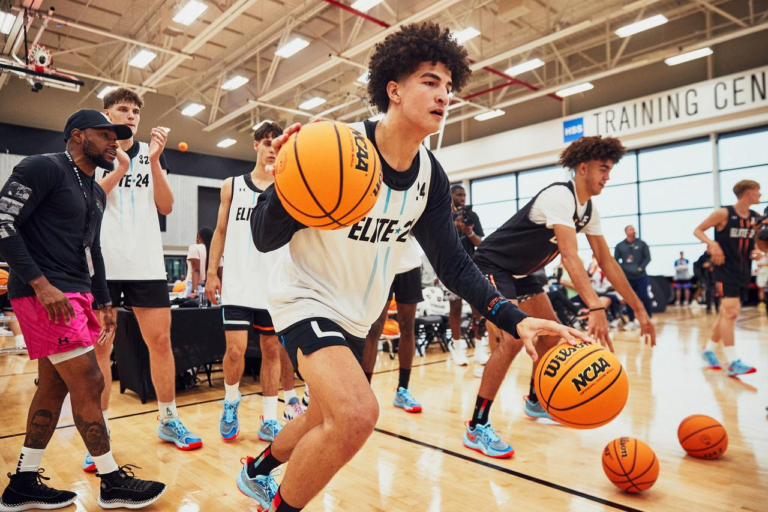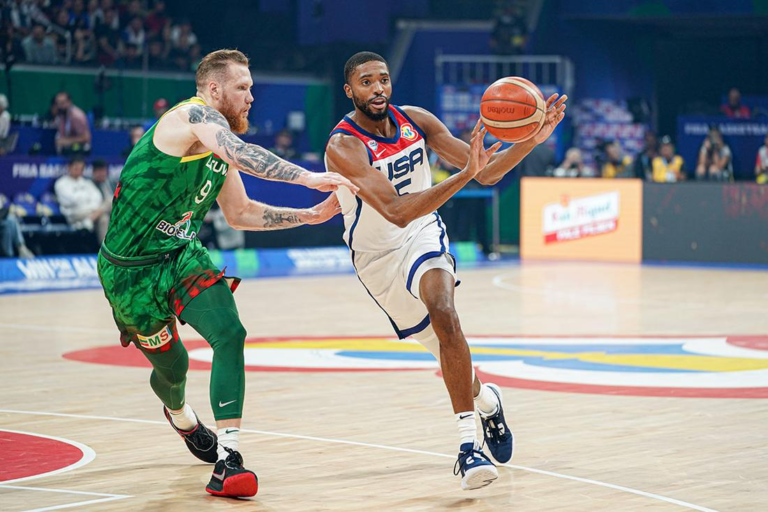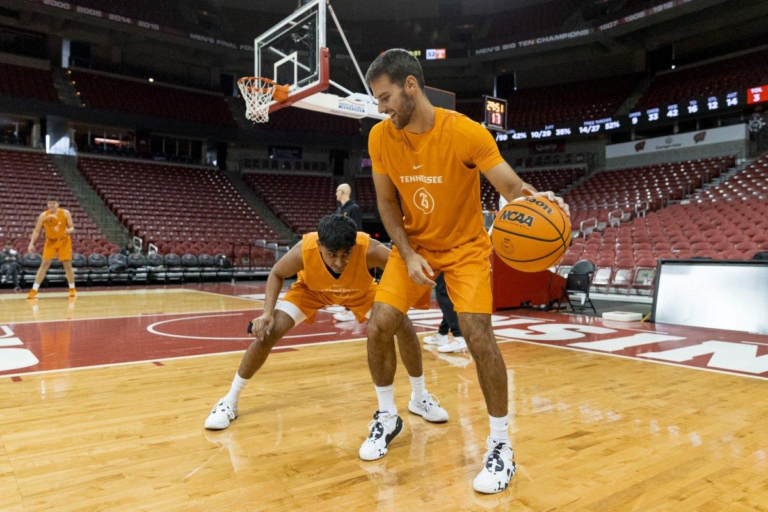
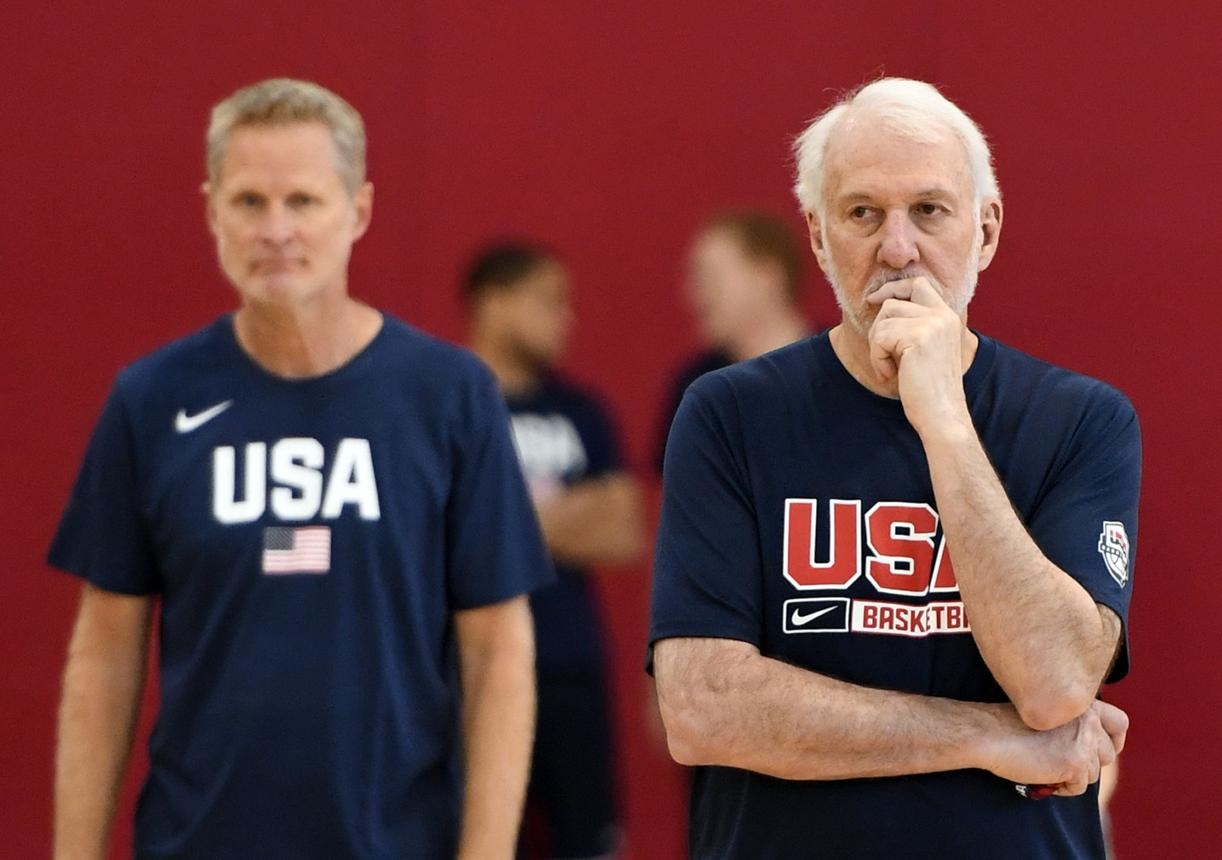
USA Basketball continues to serve as a powerful case study in how elite organizations build winning teams, develop talent pipelines, and adapt to increasingly competitive global environments. From youth development programs to Olympic rosters, the organization’s approach highlights emerging trends in collaboration, versatility, analytics, leadership, and international scouting. These lessons extend far beyond basketball, offering valuable insights into the future of sports development and high-performance team building.
Introduction
For decades, USA Basketball has been viewed as the benchmark for elite basketball talent. The country’s deep player pool, extensive youth development infrastructure, and history of international success have made it one of the most influential organizations in global sports.
Yet the story of modern USA Basketball is no longer simply about assembling the most talented athletes and expecting victory. The international game has evolved dramatically. Countries around the world now produce NBA stars, sophisticated coaching systems, and highly competitive national teams. Winning international tournaments increasingly requires strategic roster construction, long-term development planning, and organizational alignment.
As global competition continues to rise, USA Basketball offers a fascinating look at how successful organizations are adapting to a new era where talent alone is no longer enough.
The Era of Simply Collecting Stars Is Ending
For many years, conventional wisdom suggested that the best team was simply the one with the most superstar players.
International basketball has challenged that assumption.
Modern tournaments are short, intense, and heavily dependent on chemistry. Teams often have limited practice time before major competitions. As a result, continuity and role clarity have become increasingly important.
Recent international competitions have demonstrated that well-organized teams with established systems can compete effectively against more individually talented opponents.
USA Basketball’s roster construction increasingly reflects this reality. Instead of focusing solely on individual accolades, selectors now prioritize:
- Positional versatility
- Defensive adaptability
- International experience
- Leadership qualities
- Willingness to accept specific roles
- Ability to fit within team concepts
This shift mirrors trends across professional sports and even corporate leadership environments. Organizations increasingly recognize that performance emerges from effective collaboration rather than individual talent alone.
The lesson is clear: building a successful team requires designing complementary strengths rather than simply accumulating high achievers.
Why Versatility Has Become the Most Valuable Skill
One of the most noticeable developments within USA Basketball is the growing emphasis on versatile players.
Modern basketball demands athletes who can:
- Defend multiple positions
- Handle the ball under pressure
- Shoot from long range
- Make quick decisions
- Adapt to changing tactical situations
International opponents frequently employ diverse playing styles. A team may face a fast-paced offense in one game and a highly physical defensive team in the next.
Versatile players help coaching staffs respond more effectively to these challenges.
This trend reflects broader changes occurring throughout sports. Specialists remain valuable, but adaptable performers often provide greater overall impact.
For younger athletes, this shift carries important implications. Developing a wide range of skills may create more long-term opportunities than focusing exclusively on a single strength.
Many youth coaches now encourage players to learn multiple positions, emphasizing decision-making and basketball intelligence alongside technical skills.
USA Basketball’s development programs increasingly reinforce this philosophy.
The Growing Importance of Long-Term Talent Development
One of the strongest advantages USA Basketball possesses is its developmental infrastructure.
Success at the senior level begins years before athletes reach the national team.
The organization’s development pathway includes:
- Youth national teams
- Regional camps
- Junior competitions
- Coaching education programs
- Skill development initiatives
- International exposure opportunities
This system creates opportunities for identifying and nurturing talent long before athletes become household names.
Importantly, development is no longer measured solely by athletic ability.
Modern evaluation increasingly includes:
- Leadership potential
- Communication skills
- Decision-making ability
- Emotional resilience
- Adaptability
- Team-first mentality
Research across sports consistently suggests that long-term success depends on a combination of technical skill and psychological readiness.
Organizations that invest in holistic development often produce more sustainable results than those focused exclusively on short-term performance.
USA Basketball’s evolving approach reflects this growing understanding.
What International Competition Is Teaching American Basketball
For many years, the United States largely set the standard for basketball innovation.
Today, innovation flows in multiple directions.
International programs have introduced new ideas related to:
- Ball movement
- Team spacing
- Defensive schemes
- Player development
- Coaching collaboration
Countries such as Spain, Serbia, France, and Canada have become influential contributors to the sport’s evolution.
As a result, USA Basketball increasingly operates within a global learning environment rather than a one-way leadership model.
This openness to learning represents a critical competitive advantage.
Organizations that continuously study competitors often adapt more effectively than those relying solely on historical success.
In many ways, international basketball has become a laboratory for innovation, encouraging all participants to evolve.
Analytics Are Transforming Team Selection and Preparation
Data-driven decision-making continues to reshape basketball at every level.
USA Basketball has benefited from the broader analytics revolution that has transformed both the NBA and international competition.
Modern analysis helps evaluate:
- Shooting efficiency
- Defensive impact
- Lineup combinations
- Matchup advantages
- Transition performance
- Rebounding effectiveness
Analytics provide coaches with deeper insights into how players perform within different systems and situations.
However, the most successful organizations recognize that data is only part of the equation.
Effective decision-making combines:
- Statistical analysis
- Coaching expertise
- Player observation
- Psychological assessment
- Team chemistry evaluation
The future of team building likely belongs to organizations capable of balancing quantitative information with human judgment.
USA Basketball’s approach increasingly reflects this balanced perspective.
Leadership Is Becoming a Competitive Advantage
Elite talent is common at the highest levels of international basketball.
Leadership is far less common.
As global talent levels converge, leadership often becomes a decisive differentiator.
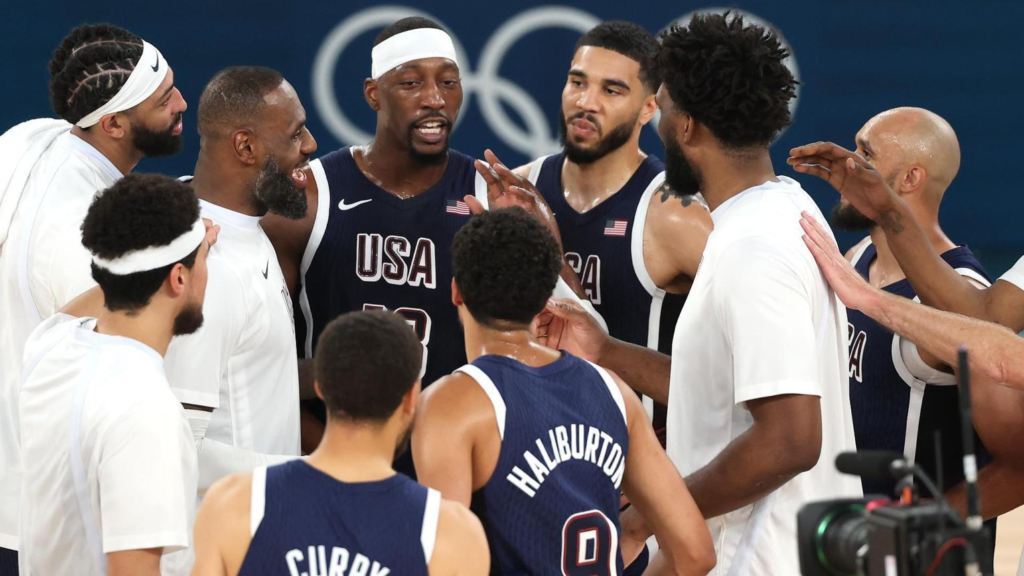
USA Basketball has increasingly emphasized leadership qualities when assembling teams.
Effective leaders contribute by:
- Establishing accountability
- Maintaining focus under pressure
- Supporting younger teammates
- Reinforcing organizational culture
- Managing adversity
Leadership extends beyond team captains or veteran stars.
Organizations increasingly seek leadership behaviors throughout entire rosters.
This approach creates greater resilience during challenging moments.
Whether in sports, business, or education, leadership depth often separates successful teams from talented teams.
USA Basketball’s experiences continue to reinforce this principle.
The Global Talent Pool Has Never Been Stronger
One of the most significant developments in basketball over the past two decades is the globalization of talent.
The NBA now features elite players from every corner of the world.
International basketball academies continue expanding.
Advanced coaching resources have become more accessible.
Digital platforms allow players to study elite competition regardless of location.
As a result, the gap between nations has narrowed considerably.
This trend has several important implications.
First, international tournaments are becoming more competitive and unpredictable.
Second, player development systems must continuously evolve.
Third, talent identification has become increasingly global.
USA Basketball now competes in an environment where excellence is distributed more widely than ever before.
This increased competition ultimately benefits the sport by raising standards worldwide.
What Parents, Coaches, and Young Athletes Can Learn
Many lessons emerging from USA Basketball’s evolution apply directly to youth sports.
Parents and coaches often focus heavily on early specialization or short-term success.
However, the evidence increasingly supports a broader developmental approach.
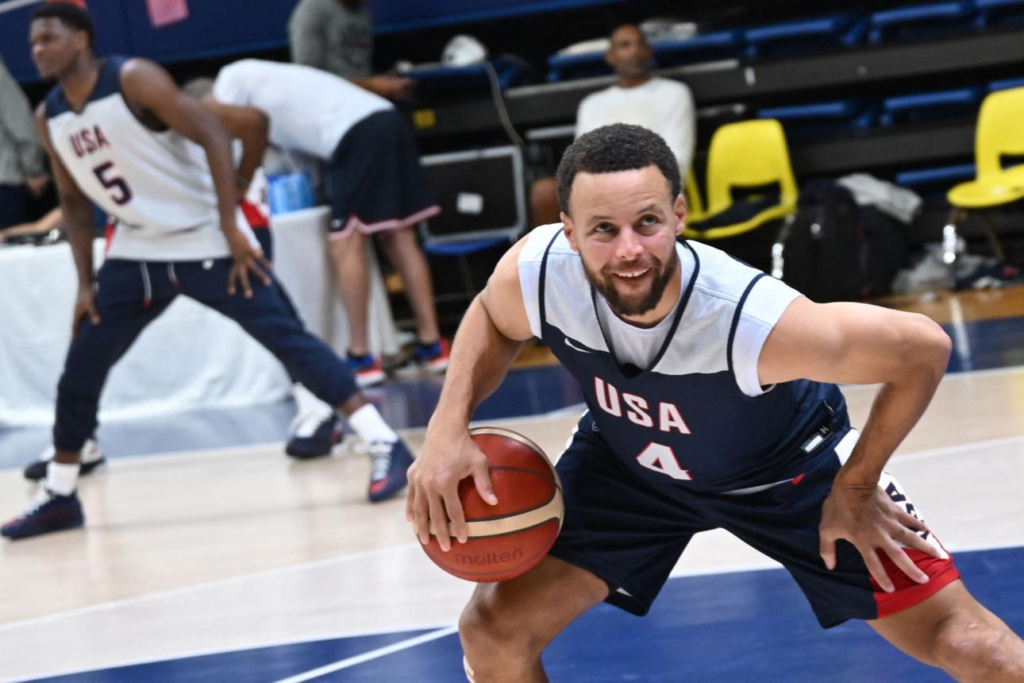
Young athletes benefit from:
- Learning multiple skills
- Playing different positions
- Developing communication abilities
- Building resilience through challenges
- Prioritizing long-term growth
- Embracing teamwork
Athletes who become adaptable learners often remain competitive as the game evolves.
The most successful development environments emphasize continuous improvement rather than immediate results.
This philosophy aligns closely with the direction modern basketball appears to be heading.
How USA Basketball Reflects Broader Trends Beyond Sports
The lessons emerging from USA Basketball extend far beyond the basketball court.
Many organizations face similar challenges:
- Building high-performing teams
- Integrating diverse talent
- Managing rapid change
- Developing future leaders
- Competing in global environments
The organization’s evolution demonstrates that sustainable success depends on more than resources or reputation.
Instead, success increasingly requires:
- Adaptability
- Collaboration
- Continuous learning
- Strategic planning
- Strong culture
These principles apply equally to businesses, educational institutions, and nonprofit organizations.
As competition intensifies across industries, the ability to build cohesive, resilient teams becomes increasingly valuable.
USA Basketball provides a compelling example of how organizations can evolve while maintaining excellence.
Frequently Asked Questions
1. Why has international basketball become more competitive?
Improved coaching, expanded development programs, global access to training resources, and increased NBA participation have significantly elevated talent levels worldwide.
2. Does USA Basketball still have the deepest talent pool?
Yes. The United States continues to possess the largest concentration of elite basketball talent, but international competition has narrowed the performance gap.
3. Why is team chemistry so important in international tournaments?
International events involve limited preparation time, making communication, trust, and role clarity essential for success.
4. What skills are most valuable in modern basketball?
Versatility, decision-making, defensive flexibility, shooting ability, and adaptability are among the most highly valued skills.
5. How important is analytics in team selection?
Analytics provide valuable insights, but successful organizations combine data with coaching expertise and player evaluation.
6. What can youth athletes learn from USA Basketball?
Young players benefit from developing diverse skills, embracing teamwork, and focusing on long-term improvement rather than early specialization.
7. How has globalization affected basketball development?
Globalization has expanded access to coaching, competition, and training resources, creating stronger talent pipelines worldwide.
8. Why are leadership skills increasingly important?
As talent levels become more evenly distributed, leadership often determines how effectively teams perform under pressure.
9. What role do development programs play in future success?
Strong development systems help athletes build technical, mental, and leadership skills over time.
10. What does the future of basketball team building look like?
Future teams will likely prioritize versatility, collaboration, analytics, leadership, and long-term development over individual star power alone.
About the Author