Basketball is evolving rapidly as analytics, sports science, skill versatility, and technology reshape how players develop and how teams compete. Modern trends emphasize positionless play, three-point efficiency, individualized training, injury prevention, and data-driven decision-making. These changes are influencing every level of the sport, from youth programs to professional leagues, offering valuable insights into where basketball is headed and what successful players and organizations are doing differently.
The Game Is Changing Faster Than Ever
Basketball has always evolved, but the pace of change over the past decade has been remarkable. What once seemed unconventional—centers shooting three-pointers, guards rebounding like forwards, or teams prioritizing spacing over size—has become increasingly common.
Today, basketball is shaped by a combination of advanced analytics, sports science, technology, and global talent development. Coaches, trainers, front offices, and players now have access to information and tools that previous generations could only imagine.
As a result, the modern game looks significantly different from the basketball many fans grew up watching.
Understanding these trends provides insight not only into professional basketball but also into youth development, college recruiting, and the future direction of the sport.
Why Is Positionless Basketball Becoming the Standard?
One of the most discussed trends in basketball is the rise of positionless play.
Historically, players were assigned clear roles:
- Point guards handled the ball
- Shooting guards scored
- Small forwards provided versatility
- Power forwards played near the basket
- Centers controlled the paint
Today’s game is far more flexible.
Many teams now prioritize players who can:
- Dribble
- Pass
- Defend multiple positions
- Shoot from distance
- Create offensive opportunities
This versatility creates matchup advantages and makes offenses harder to defend.
Players entering the NBA increasingly arrive with skill sets that once belonged to only one position. A 6-foot-10 player may initiate offense, while a guard may be expected to rebound and defend larger opponents.
The result is a faster, more dynamic game where adaptability often matters more than traditional labels.
The Three-Point Revolution Continues to Influence Strategy
Few trends have transformed basketball more dramatically than the emphasis on three-point shooting.
Teams now understand that efficient shot selection significantly affects outcomes. Analytics have shown that three-pointers and shots near the basket generally produce higher expected value than mid-range attempts.
This realization has changed offensive design at every level.
Modern offenses focus on:
- Floor spacing
- Ball movement
- Drive-and-kick actions
- Transition shooting
- Creating open perimeter opportunities
Many professional teams now attempt more than twice as many three-pointers as teams did fifteen years ago.
However, the trend is not simply about taking more shots from distance.
Successful organizations emphasize:
- Shot quality
- Decision-making
- Timing
- Spacing principles
The best offenses balance perimeter shooting with rim pressure, making defenses constantly choose between competing priorities.
How Analytics Are Reshaping Basketball Decisions
Data has become one of the most influential forces in modern basketball.
Teams analyze thousands of possessions to identify patterns that improve performance.
Analytics now influence decisions related to:
- Lineup construction
- Defensive matchups
- Shot selection
- Player workload
- Draft evaluation
- Contract decisions
Advanced metrics help teams evaluate contributions that traditional statistics sometimes overlook.
For example, a player averaging modest scoring numbers may still create tremendous value through:
- Defensive versatility
- Screen setting
- Passing efficiency
- Off-ball movement
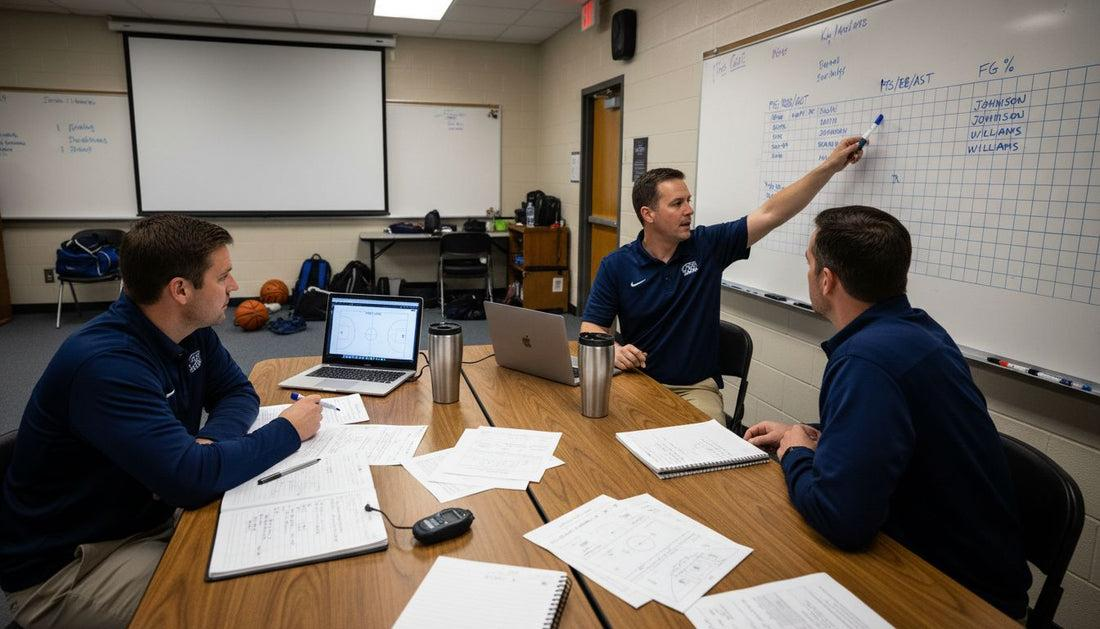
Analytics have also changed how coaches prepare for opponents. Detailed scouting reports can identify tendencies, preferred shooting locations, and defensive weaknesses.
While numbers are not replacing basketball expertise, they are increasingly complementing traditional coaching knowledge.
What Sports Science Is Teaching About Player Development
Player development today looks dramatically different than it did even a decade ago.
Modern athletes benefit from sophisticated sports science programs focused on maximizing performance and reducing injury risk.
Teams monitor:
- Sleep quality
- Recovery metrics
- Movement patterns
- Workload levels
- Nutrition habits
- Training intensity
Many organizations now employ specialists in:
- Biomechanics
- Performance psychology
- Nutrition
- Physical therapy
- Strength and conditioning
Rather than relying solely on harder training, successful programs increasingly emphasize smarter training.
Recovery has become a competitive advantage.
Elite athletes understand that performance improvements often occur during recovery periods, not just during workouts.
This shift has helped players extend careers and maintain higher performance levels over longer seasons.
The Growing Importance of Skill Development Over Early Specialization
Parents and coaches frequently ask whether young athletes should specialize in basketball at an early age.
Recent trends suggest a more balanced approach.
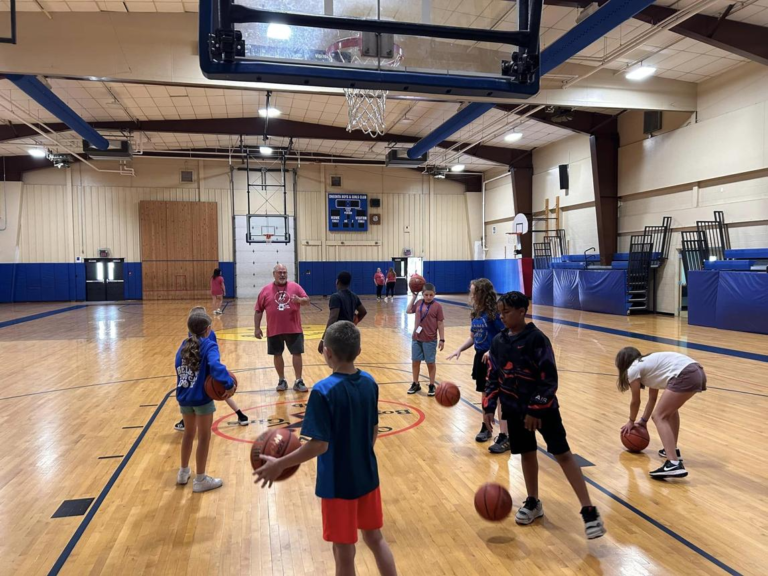
Many development experts believe young players benefit from participating in multiple sports before specializing.
Multi-sport participation can improve:
- Coordination
- Agility
- Athleticism
- Decision-making
- Injury resilience
At the same time, basketball-specific skill development has become increasingly sophisticated.
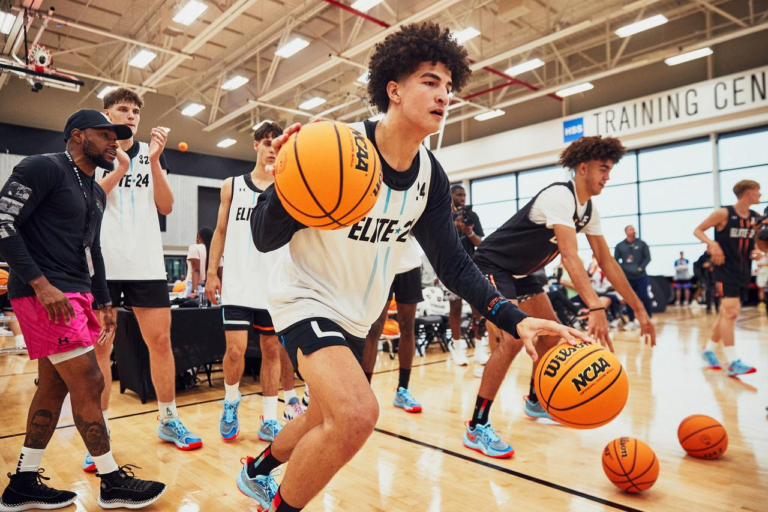
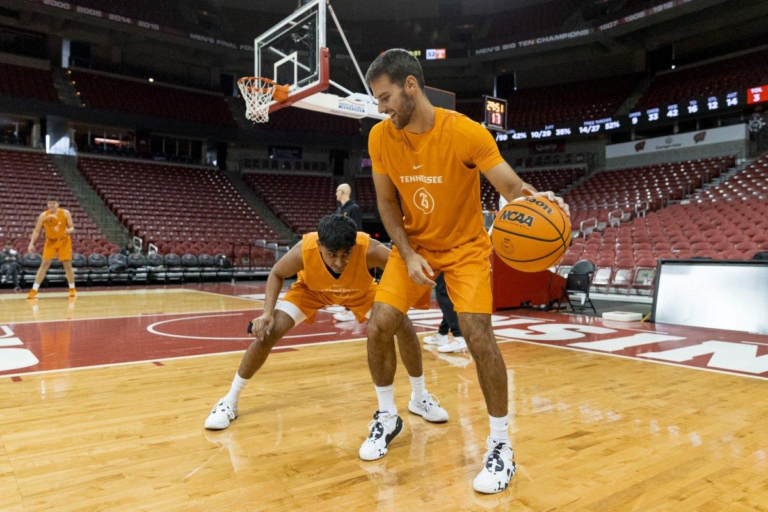
Today’s top prospects often spend significant time developing:
- Ball handling
- Footwork
- Shooting mechanics
- Passing reads
- Defensive awareness
The most successful development models typically combine broad athletic foundations with progressive basketball skill training.
Rather than creating specialists too early, many coaches aim to build complete athletes who can adapt as the game evolves.
Technology Is Becoming a Major Competitive Tool
Technology is influencing nearly every aspect of basketball.
Video analysis platforms allow players and coaches to review performance in extraordinary detail.
Training technologies now include:
- Motion-tracking systems
- Shooting analytics tools
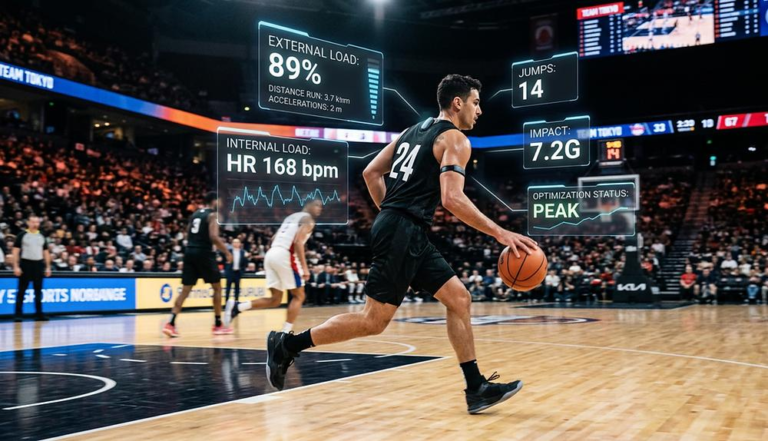
- Wearable performance devices
- Virtual reality training
- AI-assisted scouting systems
Players can receive immediate feedback on shooting mechanics, movement efficiency, and decision-making.
Coaches can analyze possessions from multiple angles and identify opportunities for improvement more quickly than ever before.
Technology does not replace coaching expertise, but it provides additional information that can accelerate learning and development.

Why Defensive Versatility Matters More Than Ever
Offensive innovation has forced defenses to evolve.
Modern teams frequently switch defensive assignments, requiring players to guard multiple positions.
Defensive versatility has become one of the most valued traits in basketball.
Teams increasingly seek players who can:
- Defend guards and forwards
- Protect the rim when necessary
- Contest perimeter shots
- Navigate screens effectively
- Rotate quickly in help situations
This trend reflects the complexity of modern offenses.
A single defensive weakness can be targeted repeatedly during a game or playoff series.
As a result, versatile defenders often play critical roles even when they are not primary scorers.
The Globalization of Basketball Talent
Basketball is more international than at any point in its history.
Elite players now emerge from countries across Europe, Africa, Asia, Oceania, and South America.
This globalization has created several important developments:
- Diverse playing styles
- Expanded scouting networks
- Increased competition for roster spots
- Greater strategic innovation
International development systems often emphasize skill development, passing, and basketball IQ from an early age.
These influences have contributed to the growing emphasis on versatility and decision-making throughout the sport.
The global talent pool continues to deepen, ensuring that future innovations may come from virtually anywhere in the world.
What Are Coaches Prioritizing Today?
Modern coaching extends far beyond X’s and O’s.
Today’s coaches increasingly focus on:
- Communication
- Adaptability
- Player relationships
- Continuous learning
- Situational decision-making
Many successful programs emphasize teaching concepts rather than rigid systems.
Players are encouraged to read defenses, recognize opportunities, and make decisions in real time.
This approach reflects the reality of modern basketball, where speed and complexity often require players to solve problems independently during games.
The ability to process information quickly has become almost as valuable as physical talent.
What Does the Future of Basketball Look Like?
Several emerging trends may define the next decade of basketball.
Artificial intelligence will likely play a larger role in scouting, performance analysis, and player development.
Sports science will continue improving individualized training programs.
Positionless basketball may become even more widespread as players develop broader skill sets from younger ages.
Future players will likely be:
- More versatile
- More skilled
- Better conditioned
- More analytically informed
At the same time, some basketball principles remain timeless.
Successful teams will still rely on:
- Teamwork
- Communication
- Effort
- Decision-making
- Leadership
Technology and analytics may change how the game is played, but the human elements of competition will remain essential.
Frequently Asked Questions
1. What is positionless basketball?
Positionless basketball refers to a style of play where players perform multiple roles rather than being restricted to traditional positions.
2. Why are teams taking more three-point shots?
Analytics show that three-point shots often provide greater scoring efficiency when taken under the right conditions.
3. Are analytics replacing coaches?
No. Analytics provide valuable information, but coaching experience, leadership, and decision-making remain critical.
4. How important is sports science in basketball?
Sports science plays a major role in injury prevention, recovery, conditioning, and long-term performance optimization.
5. Should young athletes specialize in basketball early?
Many experts recommend developing broad athletic skills first before focusing exclusively on one sport.
6. How is technology helping basketball players?
Technology assists with performance tracking, video analysis, shooting evaluation, recovery monitoring, and skill development.
7. Why is defensive versatility so valuable?
Modern offenses create frequent mismatches, making it essential for defenders to guard multiple positions effectively.
8. How has globalization changed basketball?
Global talent has introduced new playing styles, increased competition, and expanded the pool of elite players worldwide.
9. What skills are most important for future players?
Versatility, shooting, decision-making, basketball IQ, defensive adaptability, and communication are increasingly important.
10. Will analytics continue shaping the sport?
Yes. Data-driven decision-making is expected to remain a major influence on strategy, player evaluation, and development.
About the Author