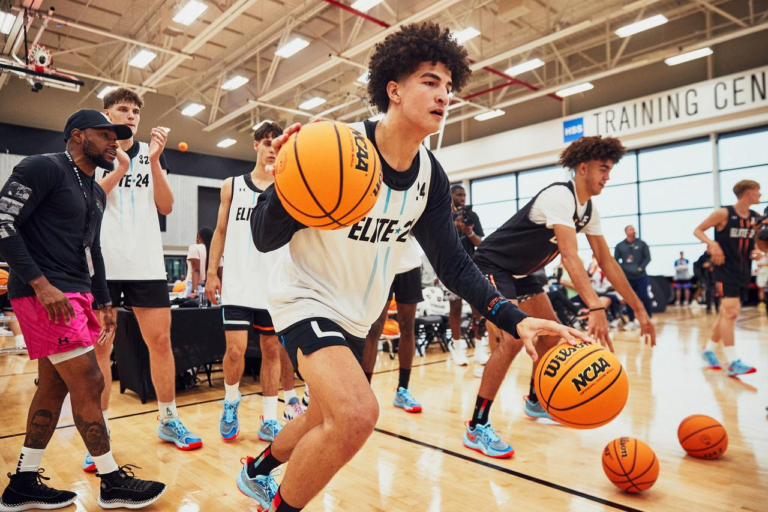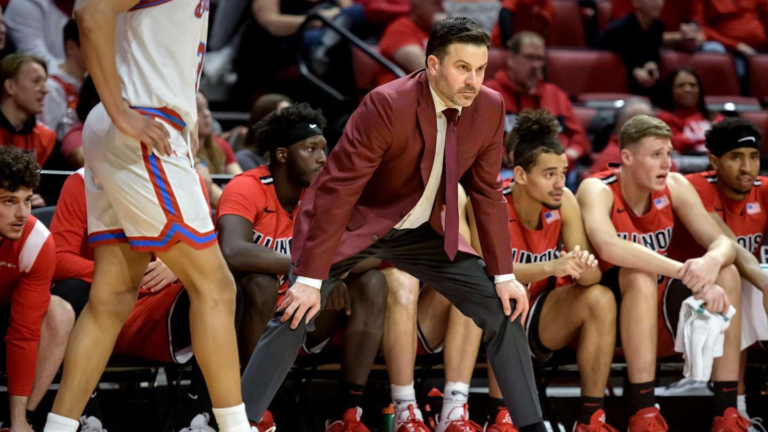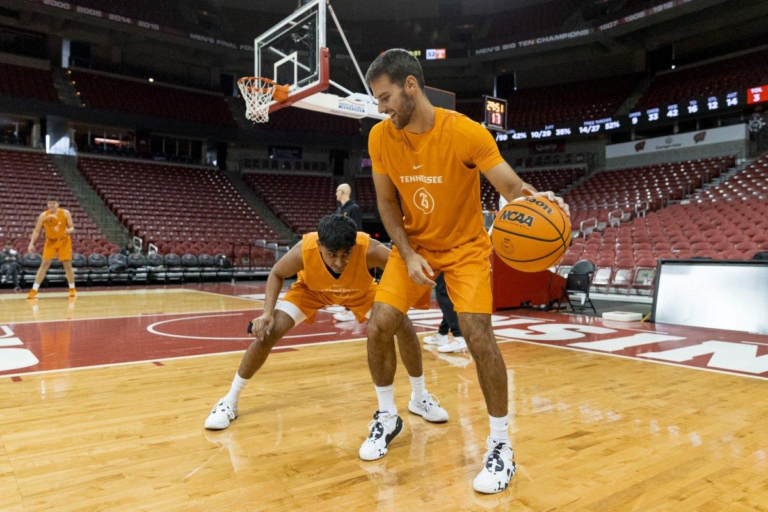

Basketball is evolving faster than at any point in recent decades. Advances in analytics, player development, sports science, technology, and global talent pipelines are reshaping how teams compete and how athletes prepare. From positionless basketball and three-point efficiency to load management and data-driven coaching, today’s trends offer a glimpse into the future of competition across professional, collegiate, and youth levels.
Introduction
Basketball has always adapted to changing circumstances. Rule adjustments, strategic innovations, athletic development, and technological breakthroughs have repeatedly altered the way the sport is played. Yet the current transformation stands out because several major trends are converging simultaneously.
Professional leagues, college programs, youth organizations, and training academies are embracing new approaches that challenge long-held assumptions about positions, player roles, conditioning, and game strategy. What once seemed experimental has increasingly become standard practice.
For fans, coaches, athletes, and sports business professionals, understanding these shifts offers valuable insight into where basketball may be heading over the next decade. More importantly, many of these trends reveal broader lessons about competition itself: adaptability, efficiency, versatility, and continuous learning are becoming decisive advantages.
Why Is Basketball Changing So Quickly?
The acceleration of basketball innovation is largely driven by access to information.
Teams now collect enormous amounts of performance data. Coaches can evaluate shot quality, defensive positioning, movement patterns, workload levels, and lineup combinations with unprecedented precision. Video analysis platforms allow organizations to study thousands of possessions in hours rather than weeks.
At the same time, the global basketball ecosystem has expanded dramatically. Players from Europe, Africa, Asia, Australia, and South America bring different developmental backgrounds and playing styles. As those influences merge, the sport becomes more diverse strategically.
Several forces are driving the current evolution:
- Advanced analytics
- Global talent development
- Sports science research
- Wearable technology
- Improved video analysis
- Increased player versatility
- Faster information sharing through digital platforms
The result is a game that looks noticeably different from the version many fans watched just twenty years ago.
The Rise of Positionless Basketball
One of the most discussed trends in modern basketball is the movement toward positionless play.
Historically, teams relied on clearly defined roles. Point guards handled the ball. Centers stayed near the basket. Forwards occupied specific spaces on the floor.
Today’s elite players often blur those distinctions.
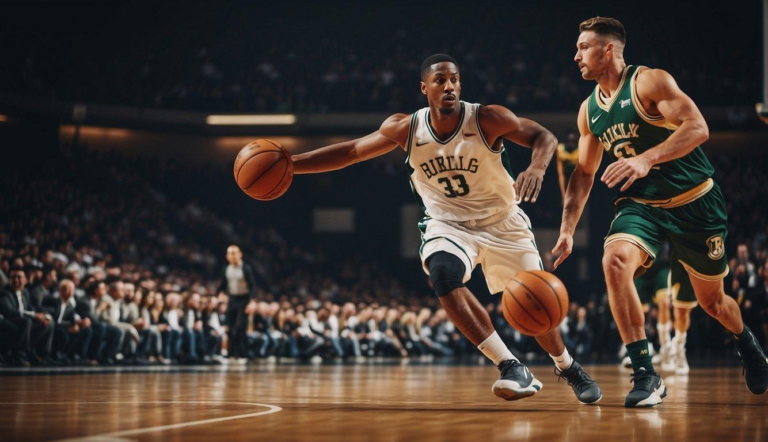
A seven-footer may initiate offense, handle transition opportunities, and shoot from beyond the arc. Guards are expected to rebound, defend multiple positions, and contribute inside the paint. Coaches increasingly prioritize skill versatility over traditional positional labels.
This trend offers several competitive advantages.
Teams become more difficult to scout because offensive actions can originate from multiple players. Defenses struggle to identify favorable matchups. Injuries become less disruptive because versatile athletes can fill several roles.
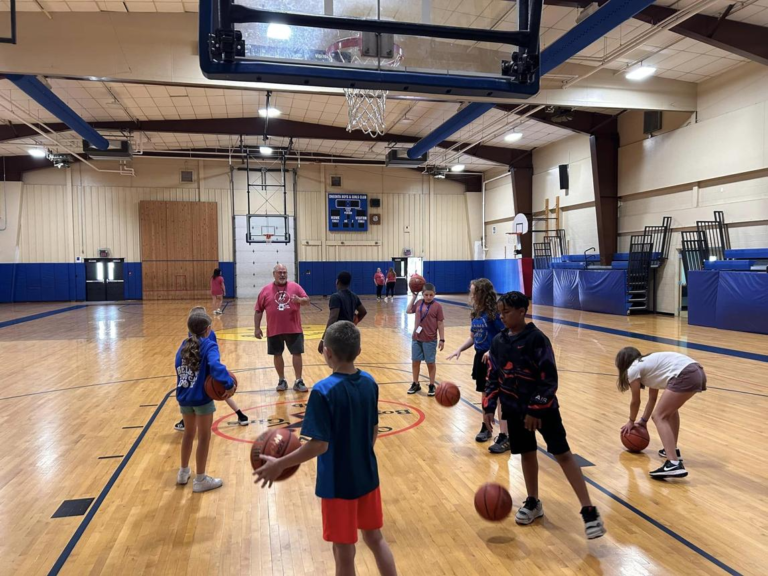
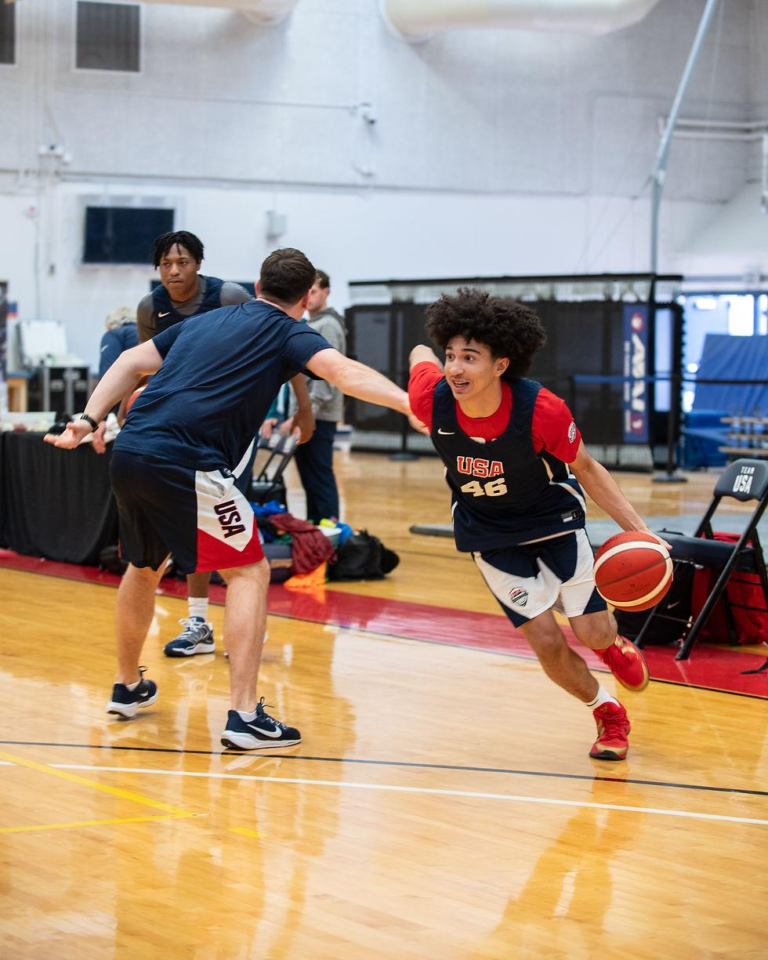
Youth development programs have responded by teaching broader skill sets earlier. Young players are encouraged to dribble, pass, shoot, and defend regardless of size.
The long-term implication is clear: future players may be defined less by position and more by their complete basketball toolkit.
How Analytics Continue to Reshape Strategy
Perhaps no force has influenced modern basketball more than analytics.
Advanced statistical analysis has changed how teams evaluate efficiency. Rather than focusing solely on points scored, organizations increasingly assess how those points are generated.
Analytics have reinforced several important principles:
- Three-point shots often produce greater expected value than long mid-range attempts
- Free throws remain among the most efficient scoring opportunities
- Shot quality matters as much as shot volume
- Lineup combinations can dramatically influence performance
- Defensive spacing affects offensive outcomes
The impact is visible across professional basketball.
Three-point attempts have increased substantially over the past decade, while many teams have reduced reliance on contested mid-range shots. Coaches now design offenses intended to maximize spacing and create high-efficiency opportunities.
However, analytics are not replacing coaching judgment. Instead, they serve as another decision-making tool. The most successful organizations often combine data insights with experience, observation, and player feedback.
This balanced approach appears likely to define the next generation of competitive basketball.

The Globalization of Elite Talent
Basketball is increasingly becoming a global sport.
International players now occupy prominent roles across major leagues. Development systems outside the United States have produced athletes with unique skill combinations, particularly among taller players who possess advanced passing and perimeter abilities.
The globalization trend affects competition in several ways.
First, talent pools continue expanding. Teams are no longer limited primarily to domestic prospects.
Second, strategic diversity grows. Different basketball cultures emphasize different strengths, introducing new tactical concepts into mainstream competition.
Third, scouting has become more sophisticated. Organizations invest significant resources into international evaluation networks and developmental partnerships.
For young athletes, this global environment creates both opportunities and challenges. Competition is stronger than ever, but pathways to professional basketball have become more varied.
The future likely involves even greater international integration across leagues, tournaments, and development systems.
Sports Science and the Management of Performance
A generation ago, many training decisions relied heavily on tradition.
Today, sports science influences nearly every aspect of player preparation.
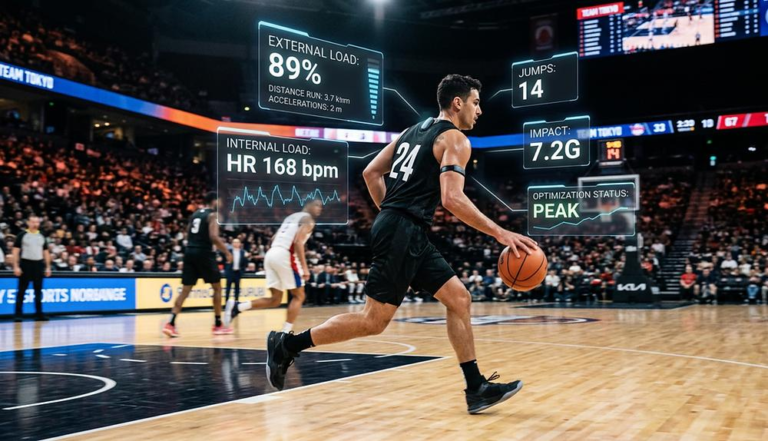
Organizations monitor workload, recovery, nutrition, sleep quality, movement patterns, and injury risk indicators. The goal is not simply to improve performance but also to extend careers and reduce avoidable injuries.
Modern performance programs often include:
- Biomechanical assessments
- Recovery monitoring
- Individualized strength training
- Nutrition planning
- Sleep optimization strategies
- Movement efficiency analysis
This scientific approach has changed how teams think about long seasons.
Rather than maximizing effort every day, many organizations focus on sustaining performance over months. Recovery has become a competitive asset rather than an afterthought.
As technology improves, personalized training programs will likely become even more precise.
The Expanding Role of Technology
Technology now influences basketball both on and off the court.
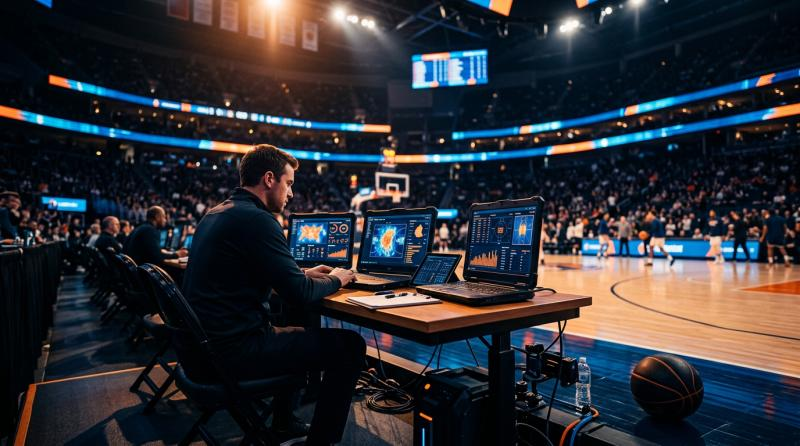
Video tracking systems generate detailed movement data. Wearable devices help measure workload. Virtual reality training tools create new practice opportunities. Artificial intelligence is beginning to assist with scouting and performance analysis.
Examples include:
- Shot-tracking systems
- Automated game breakdown software
- Player movement analytics
- Digital scouting databases
- AI-assisted performance review tools
These technologies help organizations identify patterns that might otherwise go unnoticed.
For coaches, technology can reduce administrative workload and increase preparation efficiency. For players, it provides immediate feedback and objective performance measurements.
However, technology’s value ultimately depends on interpretation. Successful programs use technology to enhance decision-making rather than replace human expertise.
What Does the Future Hold for Youth Basketball?
Many of today’s professional trends are already influencing youth development.
Coaches increasingly emphasize skill development over early specialization in a single position. Players are encouraged to understand the game conceptually rather than simply memorize plays.
Important developmental priorities now include:
- Decision-making
- Court awareness
- Shooting versatility
- Ball-handling under pressure
- Defensive adaptability
- Communication skills
There is also growing recognition that long-term athletic development matters more than short-term youth success.
Programs that prioritize fundamentals, physical literacy, and healthy training habits often produce more sustainable outcomes than those focused exclusively on winning at young ages.
Parents and coaches searching for effective development strategies are increasingly asking not, “How can this player dominate now?” but rather, “How can this player continue improving five years from now?”
That shift reflects broader changes occurring throughout the sport.

Why Versatility Is Becoming Basketball’s Most Valuable Skill
Many emerging trends point toward a common theme: versatility.
Modern competition rewards athletes who can adapt to multiple situations. Teams value players capable of contributing in various ways depending on opponent, lineup configuration, and game circumstances.
Versatile players often provide:
- Greater lineup flexibility
- Better matchup options
- Improved transition play
- Stronger defensive adaptability
- Enhanced injury resilience within team structures
This does not mean specialization is disappearing. Elite shooting, rim protection, and playmaking remain highly valuable.
Instead, specialization increasingly exists alongside broader competency. The most effective players often combine elite strengths with enough versatility to remain effective in changing circumstances.
As basketball continues evolving, adaptability may become one of the sport’s defining characteristics.
What These Trends Mean for Coaches and Organizations
For coaches, emerging trends create both opportunities and responsibilities.
Successful leaders must remain open to innovation while avoiding the temptation to chase every new idea. Not every trend will prove sustainable. The challenge is identifying which developments genuinely improve competitive performance.
Organizations that appear best positioned for future success often share several characteristics:
- Strong player development systems
- Data-informed decision making
- Investment in health and performance science
- Flexible strategic approaches
- Commitment to continuous learning
The future of basketball competition may belong less to organizations with the largest resources and more to those capable of adapting most effectively.
In many ways, the sport is becoming a case study in modern competitive dynamics. Information matters. Flexibility matters. Learning matters.
Those lessons extend well beyond basketball itself.
Frequently Asked Questions
1. What is positionless basketball?
Positionless basketball refers to a style of play in which players perform multiple traditional roles rather than being limited to one fixed position.
2. Why are three-point shots becoming more common?
Analytics have shown that three-point attempts often generate greater scoring efficiency than many mid-range shots, leading teams to prioritize them strategically.
3. Is analytics replacing coaching?
No. Analytics provides valuable information, but coaching experience, leadership, communication, and game management remain essential.
4. How has globalization changed basketball?
Global talent development has expanded the player pool, introduced diverse playing styles, and increased overall competition.
5. What role does sports science play today?
Sports science helps teams optimize training, recovery, injury prevention, and long-term performance management.
6. Are traditional positions disappearing completely?
Not entirely. Positions still exist, but responsibilities have become more flexible and overlapping.
7. How is technology affecting player development?
Technology provides detailed performance feedback, video analysis, workload monitoring, and enhanced training opportunities.
8. What skills should young players focus on?
Ball handling, shooting, decision-making, defensive versatility, communication, and overall basketball IQ remain critical.
9. Why is versatility so valuable?
Versatile players can contribute in multiple situations, making teams more adaptable and difficult to defend.
10. What trend may have the biggest long-term impact?
The combination of player versatility, analytics, and sports science appears likely to shape future competition more than any single development alone.
About the Author