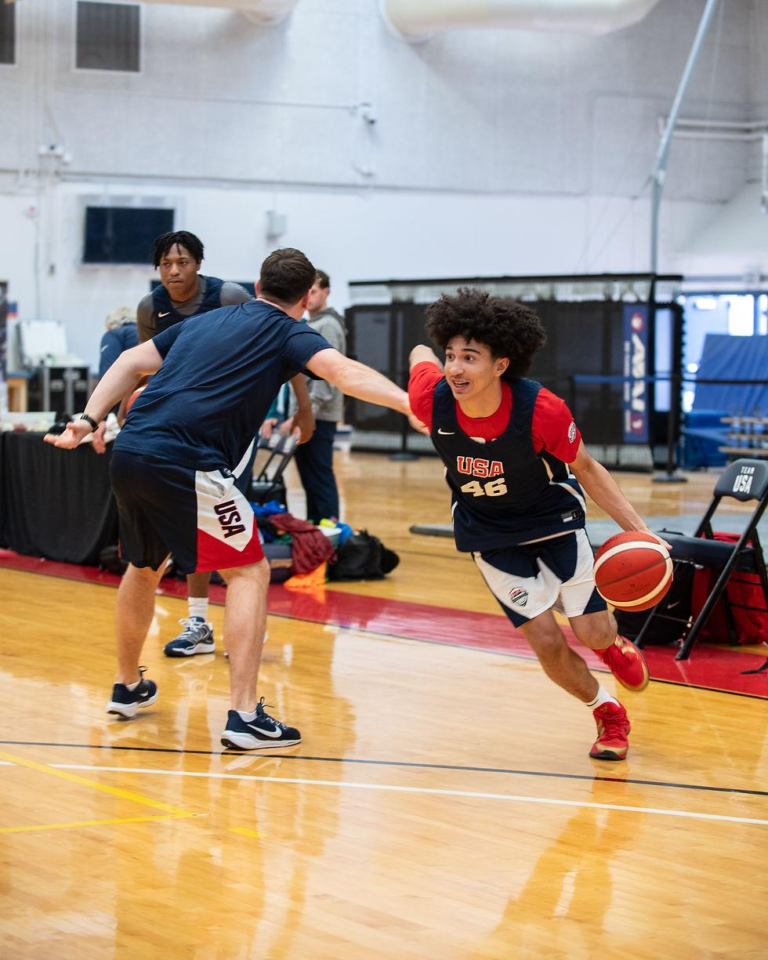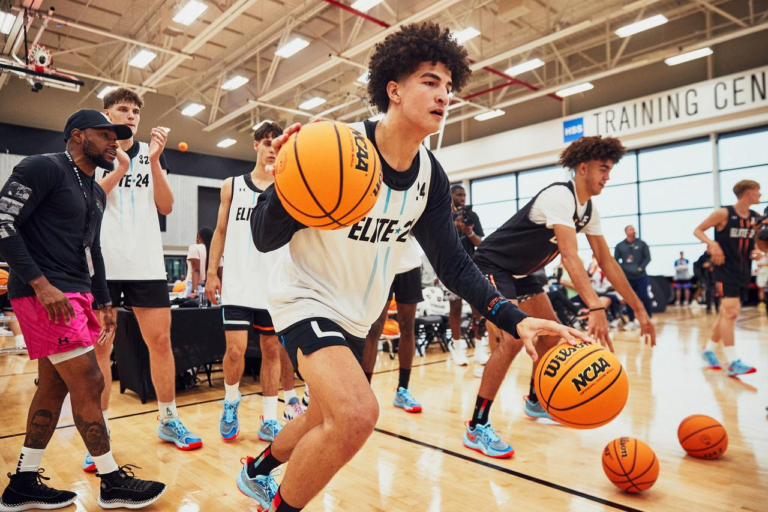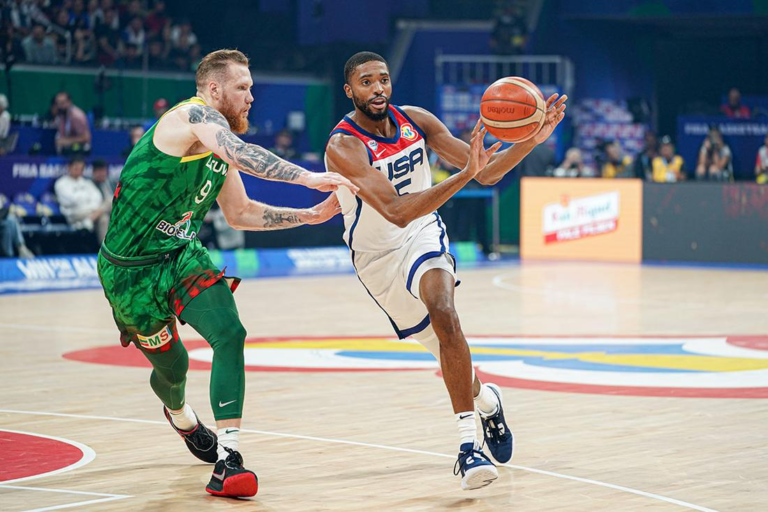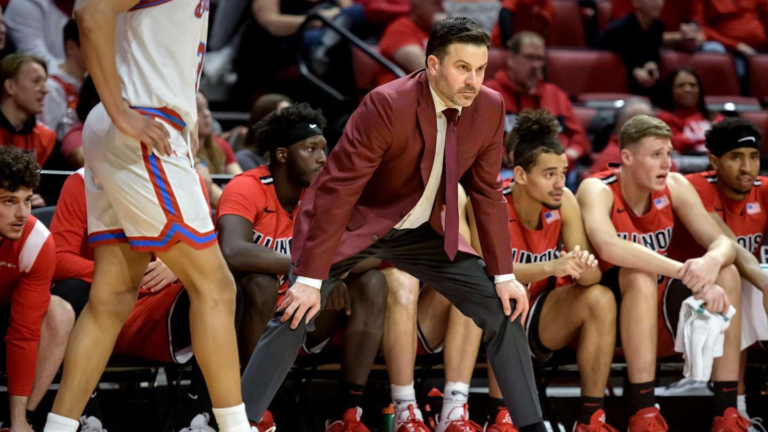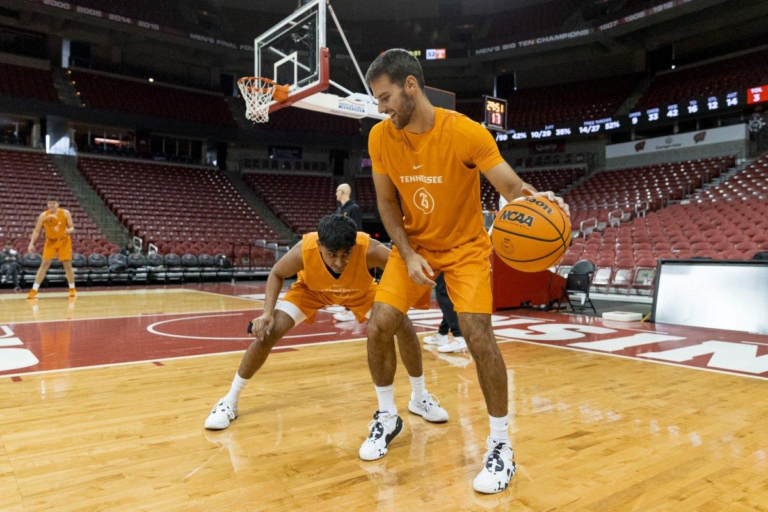
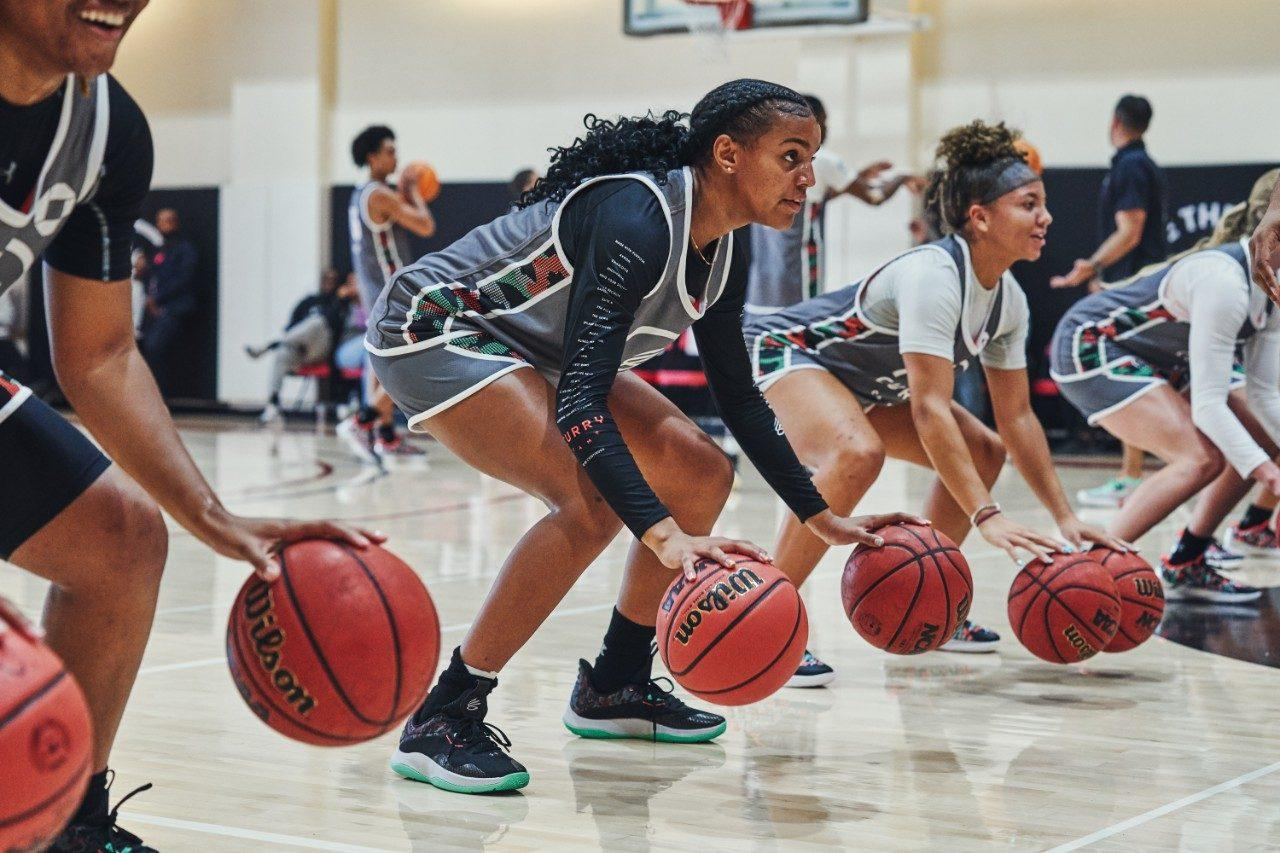
USA Basketball’s player development system is changing rapidly. The traditional route from high school to college to the NBA now competes with international academies, specialized training programs, NIL opportunities, and advanced analytics. These shifts are producing more versatile athletes, expanding access to elite development, and reshaping how future stars emerge. Understanding the talent pipeline offers valuable insight into where American basketball is headed over the next decade.
Introduction
For decades, the American basketball development model appeared relatively straightforward. Elite players typically emerged through high school competition, earned scholarships at major college programs, and eventually entered the NBA. That pathway produced generations of stars and helped establish the United States as the dominant force in global basketball.
Today, however, the landscape looks very different.
Young athletes have access to year-round skill training, private development academies, NIL-driven opportunities, international competition, advanced performance technology, and alternative professional routes. At the same time, global basketball talent continues to improve, creating pressure for American programs to evolve.
The result is an increasingly sophisticated talent pipeline that extends far beyond traditional recruiting rankings and college statistics.
Understanding these changes helps answer an important question: What does the next generation of American basketball look like?
Why the Talent Pipeline Matters More Than Ever
A country’s basketball future depends less on its current stars and more on how effectively it develops future players.
The talent pipeline encompasses every stage of development:
- Youth basketball participation
- High school competition
- Amateur Athletic Union (AAU) programs
- National team development camps
- College basketball
- Professional development systems
- Sports science and performance training
USA Basketball has increasingly focused on creating continuity across these levels.
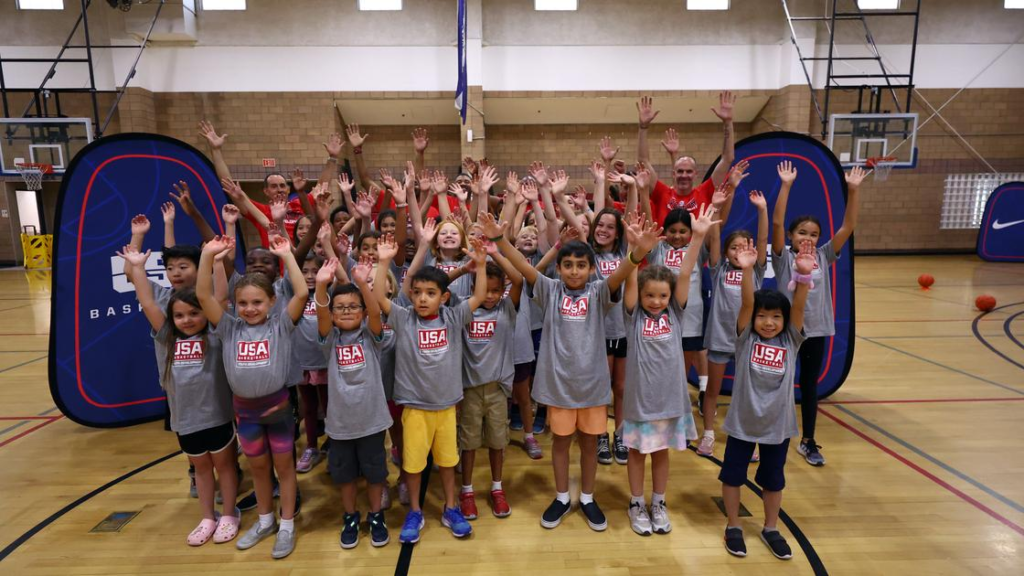
Rather than identifying players only when they become elite prospects, development now begins much earlier. National team camps, regional development initiatives, and age-group competitions expose young athletes to high-level coaching years before they reach college.
This approach reflects a growing recognition that long-term development often produces better outcomes than simply identifying talent late in the process.
The Rise of Positionless Basketball
One of the clearest trends emerging from the American talent pipeline is the development of more versatile athletes.
Historically, players were often assigned specific roles early:
- Point guards handled the ball
- Centers played near the basket
- Wings focused on scoring
Modern basketball increasingly blurs these distinctions.
Young players are encouraged to:
- Pass regardless of size
- Handle the ball in transition
- Defend multiple positions
- Shoot from distance
- Make quick decisions
This evolution mirrors changes occurring throughout professional basketball.
Many of today’s elite NBA players demonstrate skills traditionally associated with multiple positions. As a result, youth coaches and development programs are emphasizing complete skill development rather than specialization.
Future American players are likely to be more adaptable, making roster construction and player evaluation significantly different from previous generations.
How Technology Is Transforming Player Development
Technology has become a major force in basketball development.
Modern prospects often train in environments that would have seemed futuristic just two decades ago.
Tools now commonly used include:
- Motion-tracking systems
- Shot analytics platforms
- Wearable performance monitors
- Video breakdown software
- Biomechanical assessments
- Recovery and sleep tracking systems
These technologies provide coaches with detailed information about movement patterns, workload management, and skill development.
For example, shooting coaches can analyze release angles and consistency using data-driven tools. Strength coaches can monitor fatigue levels to reduce injury risk. Player development staff can identify weaknesses more precisely than ever before.
The future pipeline will likely rely even more heavily on technology, allowing athletes to improve faster while reducing avoidable setbacks.
The Impact of NIL on Talent Development
The introduction of Name, Image, and Likeness (NIL) opportunities has significantly altered the basketball landscape.
For many years, elite players faced financial limitations while generating substantial attention and value for schools and organizations.
Today, athletes can monetize their personal brands while still competing at the amateur level.
This shift has several important implications:
First, players may spend more time in college rather than leaving immediately for professional opportunities.
Second, athletes increasingly learn business, branding, and media skills alongside basketball development.
Third, recruiting dynamics have become more complex, creating new considerations for player development programs.
NIL does not directly improve jump shots or defensive positioning, but it changes the environment in which young athletes make career decisions.
Future American basketball stars may arrive at the professional level with significantly more experience managing public profiles and commercial responsibilities.
Why International Competition Is Raising Standards
The United States remains one of basketball’s strongest nations, but global competition has become much tougher.
Countries across Europe, Africa, Asia, and South America have invested heavily in player development systems.
As a result, American players now face stronger competition at nearly every international event.
This development may actually benefit the United States.
Greater competition encourages innovation.
National team programs increasingly expose young athletes to international styles of play that emphasize:
- Ball movement
- Team defense
- Tactical discipline
- Spatial awareness
- Decision-making
These experiences help players expand beyond athletic advantages and develop more complete basketball IQ.
The future American player is likely to enter professional basketball with broader exposure to diverse playing styles than previous generations.
The Expanding Role of Basketball Academies
Basketball academies have become an increasingly important part of player development.
Many elite prospects now spend time in specialized environments focused on:
- Skill development
- Strength training
- Academic support
- Nutrition
- Mental performance
- Competitive exposure
These programs often operate year-round and provide resources traditionally available only at higher levels.
The academy model reflects broader trends in sports development.
Rather than relying exclusively on school-based programs, many athletes supplement their training through specialized institutions that focus specifically on long-term growth.
While traditional high school basketball remains important, academies are becoming a significant contributor to the future talent pipeline.
What Coaches Are Looking for Today
The qualities coaches value most have evolved considerably.
Physical talent remains important, but modern evaluators increasingly prioritize:
Decision-Making
Can the player make the correct read under pressure?
Adaptability
Can they adjust to different systems and teammates?
Defensive Versatility
Can they guard multiple positions effectively?
Basketball IQ
Do they understand spacing, timing, and game flow?
Work Ethic
Are they committed to continuous improvement?
This shift reflects the increasing complexity of modern basketball.
The best prospects are no longer simply the most athletic athletes. They are often the players who combine physical ability with advanced understanding of the game.
Mental Performance Is Becoming a Competitive Advantage
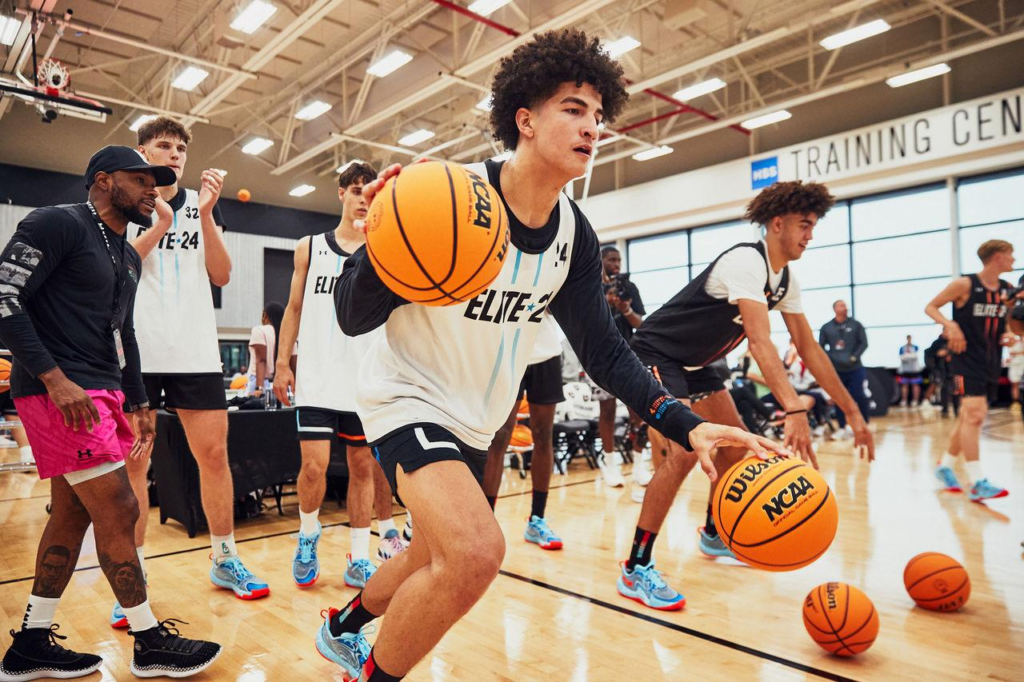
Mental skills training has become a larger component of elite development programs.
Athletes now routinely work on:
- Confidence building
- Focus techniques
- Stress management
- Performance routines
- Leadership development
- Emotional resilience
Basketball seasons are long and demanding.
Players face:
- Social media scrutiny
- Recruiting pressure
- Academic obligations
- Competitive expectations
Organizations increasingly recognize that mental preparation can significantly influence performance and long-term development.
Future stars may be distinguished as much by psychological readiness as physical talent.
How Grassroots Basketball Continues to Evolve
Grassroots basketball remains one of the most important foundations of the American system.
AAU programs continue to provide exposure and competition opportunities, but the model is evolving.
Many organizations now place greater emphasis on:
- Skill development
- Injury prevention
- Character building
- Long-term progression
- Balanced competition schedules
Parents and coaches increasingly understand the risks of early specialization and excessive workloads.
Research across youth sports suggests that balanced development often produces more sustainable athletic growth.
As awareness grows, grassroots programs may become more focused on development quality rather than simply maximizing tournament participation.
What the Future American Basketball Player May Look Like
Based on current trends, the next generation of elite American players may share several characteristics.
They are likely to be:
- More positionally versatile
- More skilled at younger ages
- Better informed by analytics
- More experienced internationally
- More comfortable with media responsibilities
- More knowledgeable about recovery and nutrition
- More adaptable to changing systems
The traditional distinction between guard, wing, and big man may continue to fade.
Future players may be evaluated primarily by how many skills they possess rather than which position they occupy.
This versatility could become one of the defining features of American basketball in the coming decade.
Questions Fans and Parents Frequently Ask
Is college basketball still the primary route to the NBA?
College basketball remains a major pathway, but players now have additional options including professional development leagues, international opportunities, and academy programs.
Does AAU basketball still matter?
Yes. AAU competition remains important for exposure and development, though coaches increasingly evaluate complete player growth rather than tournament performance alone.
Are basketball academies replacing high school basketball?
Not entirely. Academies complement traditional programs rather than fully replacing them for most athletes.
How important is international experience for young players?
It is becoming increasingly valuable because it exposes athletes to different styles, systems, and competitive environments.
What skills are NBA scouts emphasizing most?
Versatility, shooting ability, decision-making, defensive adaptability, and basketball IQ consistently rank among the most valued traits.
Has technology improved player development?
Yes. Data analytics, video analysis, biomechanics, and performance tracking provide more precise feedback than previous generations had access to.
Does NIL affect player development?
Indirectly. NIL changes career decisions, financial opportunities, and athlete responsibilities while influencing how players approach college basketball.
Why are positionless players becoming more common?
Modern offenses and defenses require athletes to perform multiple roles, making versatility increasingly valuable.
Are mental skills training programs effective?
Many organizations report improvements in confidence, focus, resilience, and performance consistency through structured mental performance coaching.
Will the United States remain a basketball powerhouse?
The United States continues to possess exceptional resources and talent depth, though growing international competition is raising development standards worldwide.
Reading the Next Chapter of American Basketball
The future of American basketball will not be defined solely by individual superstars. It will be shaped by the systems that identify, develop, and prepare thousands of athletes across the country.
USA Basketball’s evolving talent pipeline reflects broader trends in sports development: greater emphasis on versatility, earlier skill cultivation, advanced technology, mental performance, and global competition. These changes suggest that tomorrow’s players will arrive better prepared, more adaptable, and more complete than ever before.
For coaches, parents, athletes, and fans, understanding these developments offers a valuable glimpse into where the game is headed. While the pathway to success may continue to change, the central goal remains the same—developing skilled, intelligent, resilient players capable of thriving at the highest levels of basketball.
About the Author