Basketball in America is changing in ways that go beyond box scores. Player development is starting earlier, three-point volume is reshaping strategy, women’s basketball is expanding its commercial reach, and streaming is changing how fans follow teams and leagues. At the same time, NIL, transfer movement, private capital, and facility investment are changing how basketball programs are built from youth levels to the pros.
Basketball in America Is Evolving on Three Different Timelines at Once
To understand where basketball is headed in the United States, it helps to stop thinking of the sport as one unified system. It is now developing on at least three overlapping tracks: the game on the floor, the business around the game, and the media environment that shapes how fans discover and consume it. Those tracks increasingly influence one another.
At the on-court level, the sport continues to move toward spacing, shot efficiency, versatility, and pace. At the business level, youth development, college roster construction, women’s basketball investment, facility spending, and sponsorship models are all changing. At the audience level, streaming, creator-led coverage, social clips, betting-adjacent data products, and women’s basketball visibility are reshaping how fans interact with the sport week to week.
That matters because many of the questions Americans are asking about basketball right now are not just about who is winning. They are asking why every team seems to shoot more threes, whether the college game is becoming harder to recognize, why women’s basketball suddenly feels more central to the sports conversation, whether AAU is helping or hurting player development, and how youth players should actually train if they want to keep up with the modern game.
The answers are not simple, but they do point to a clear pattern: basketball’s center of gravity is shifting from tradition-driven structures to systems built around efficiency, flexibility, year-round visibility, and multiple revenue streams.
Trend 1: The Geometry of the Game Keeps Moving Outward
The most obvious basketball trend in America is also the one that has been developing for more than a decade: more three-point shooting, more spacing, and more offensive decisions built around efficiency rather than convention.
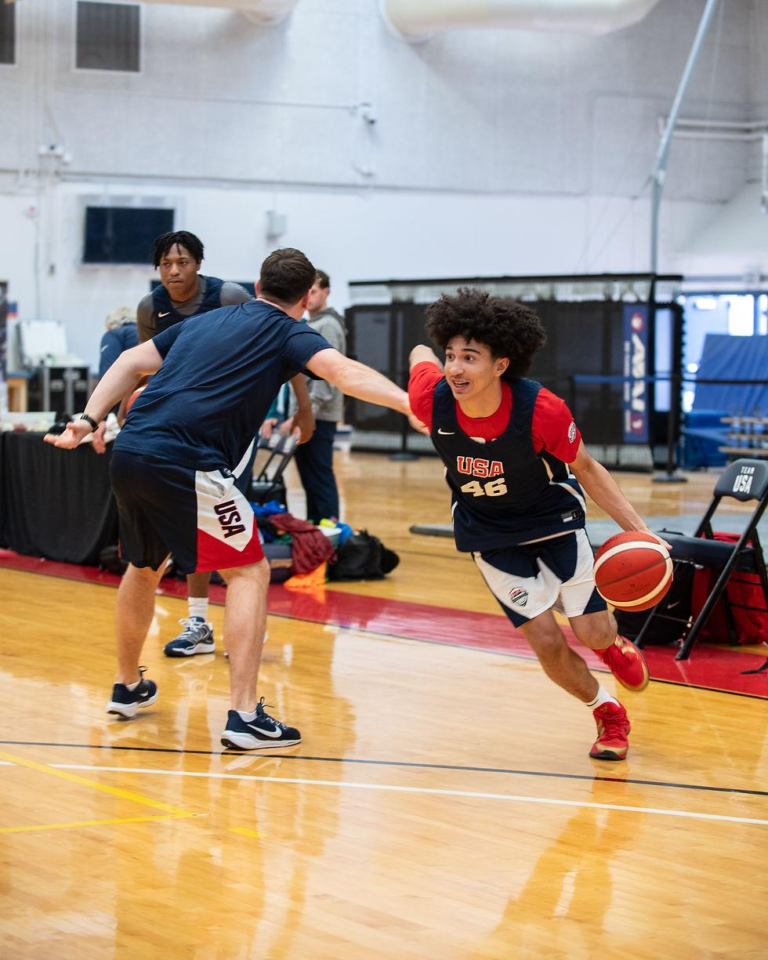
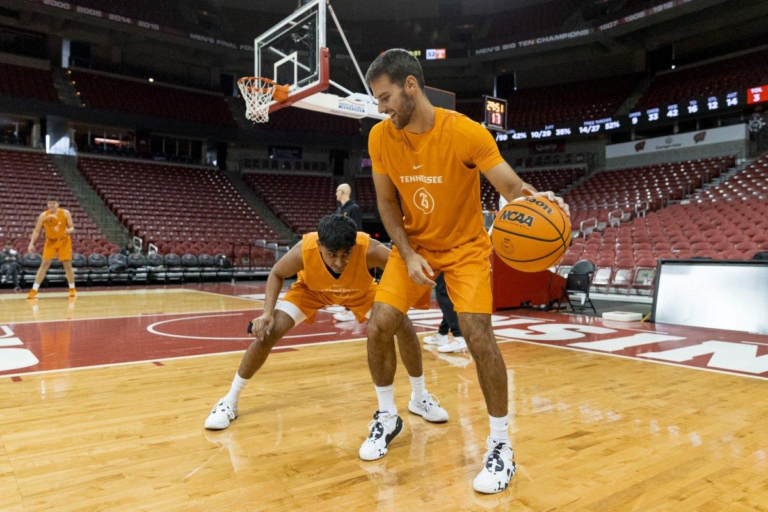
In the NBA, teams have steadily prioritized shots at the rim, free throws, and three-pointers over long midrange attempts. That shift is no longer just a professional phenomenon. It has changed the way high school prospects train, the way college coaches recruit, and the way youth programs talk about “modern skill sets.” A 6-foot-8 forward is no longer evaluated only on post scoring and rebounding. He may also be judged on whether he can switch defensively, handle in space, and make catch-and-shoot threes. Guards are expected to create advantage off the dribble, make quick reads, and pull up from deeper range than previous generations were encouraged to attempt.
This has changed not only shot charts but practice design. More programs now devote structured time to:
- decision-making out of pick-and-rolls
- shooting off movement rather than only from stationary spots
- closeout reads and drive-kick reactions
- transition spacing and early-clock offense
- defensive switching communication
The practical effect is that basketball development is becoming less position-bound. Many of the best American players coming through the pipeline are being trained as “skill players” first and position labels second. That is one reason the game can look more fluid and less rigid than it did 15 or 20 years ago.
There is, however, a downside to the copycat version of this trend. At lower levels, some teams imitate NBA spacing and shot selection without having the personnel, spacing discipline, or shooting consistency to make it work. Coaches and parents often see the rise in three-point volume and conclude that the answer is simply to shoot more. In reality, the better lesson is about quality of shots, pace of decisions, and lineup versatility rather than just volume alone.
Trend 2: Skill Development Is Starting Earlier—and Becoming More Specialized
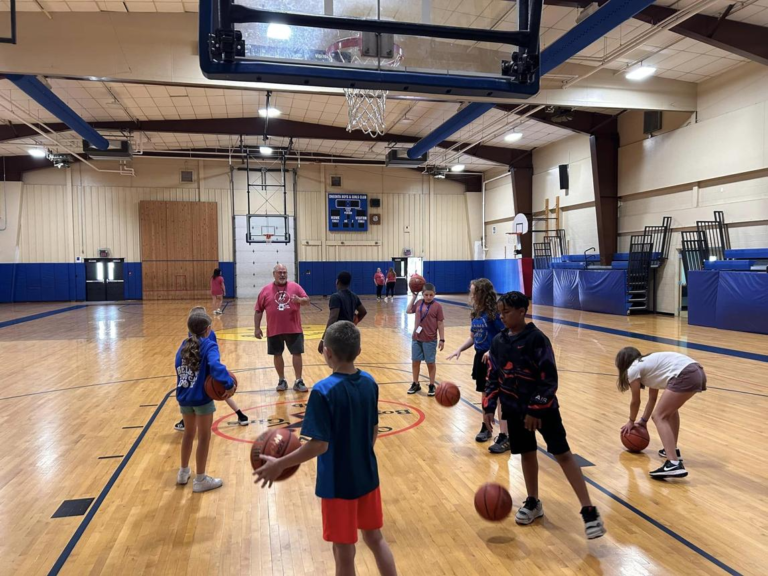
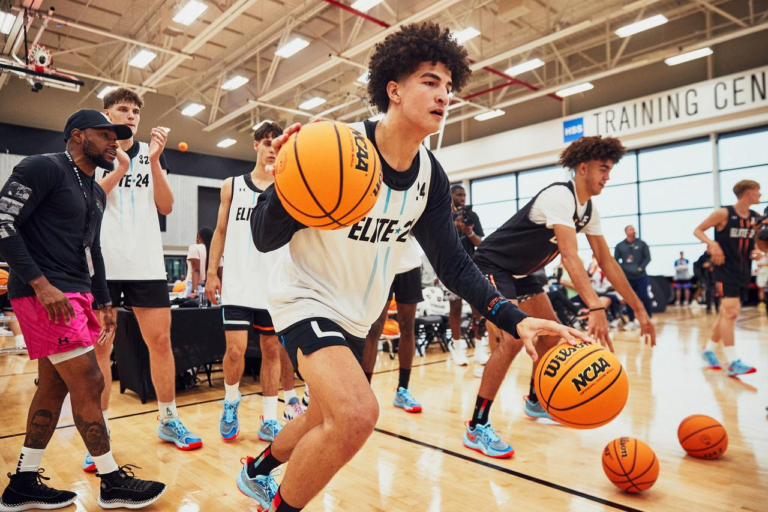
One of the biggest quiet shifts in American basketball is not happening in arenas. It is happening in training gyms, school weight rooms, club programs, and private skill sessions. Basketball development has become more specialized, more year-round, and more individualized.
A decade ago, many players still developed primarily through school seasons, park runs, and general team practices. Today, families with serious basketball ambitions often build a year-round calendar that can include school basketball, AAU or club basketball, private skill work, shooting labs, strength training, recovery, and film review. That is especially true in competitive metro areas.
The upside is obvious. Players have more access to coaching, technology, and repetition than previous generations. It is easier than ever to find instruction on shooting mechanics, ball-screen reads, mobility, and nutrition. Even mid-level prospects can now access tools that were once reserved for elite recruits.
The risk is that volume can be mistaken for development. More basketball is not always better basketball. Some young players are playing dozens of games in short stretches while spending too little time on strength, movement quality, defensive footwork, and decision-making. Others become highly polished in drills but underdeveloped in reading live game situations.
For parents and coaches, one of the most useful questions is no longer “How many games is this player getting?” but “What is this player actually improving at this month?” A better development model usually includes a balance of:
- live game reps
- targeted skill work
- recovery time
- lower-body strength and mobility
- film-based learning
- unstructured play that encourages creativity
That balance is not glamorous, but it tends to produce more durable long-term growth than an endless schedule of showcase events.
Trend 3: The College Game Is Being Rebuilt by Transfer Movement and NIL
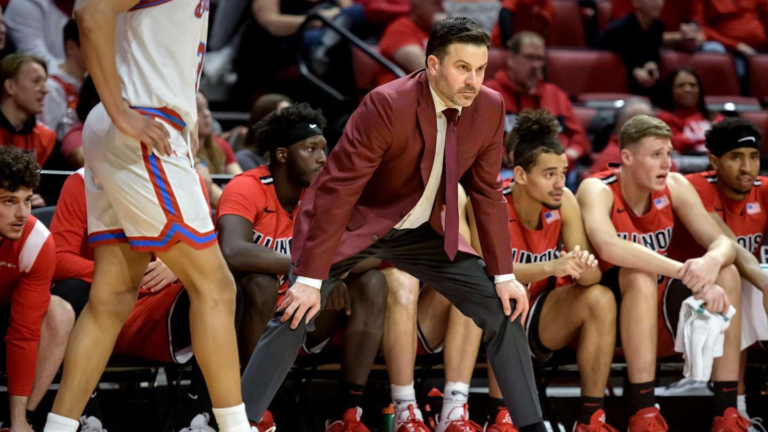
College basketball in America is going through one of the most consequential structural changes in its modern history. For coaches, athletic departments, players, and fans, the roster-building model is no longer what it was even five years ago.
The combination of transfer freedom and NIL opportunities has changed how teams are assembled. Programs are no longer relying primarily on a slow pipeline of freshmen who develop over several years. Many coaches now treat roster construction more like a year-round portfolio exercise: retain the players you can, recruit high school talent where it still makes sense, and aggressively fill gaps through transfers.
That has several effects.
First, roster continuity has become harder to maintain. Fans who once followed a program through a stable three- or four-year arc now often watch teams turn over large chunks of the rotation in a single offseason. Second, experienced transfers have become incredibly valuable because they reduce uncertainty. A 22-year-old guard with proven production in college basketball can be easier to project than an 18-year-old freshman with high upside but little track record against college competition.
Third, player evaluation has changed. Coaches now need to assess not only talent and fit, but also timeline, role expectations, and financial realities tied to NIL. That does not mean every roster decision is transactional, but it does mean the operating environment is much more fluid than before.
For fans, this can feel destabilizing. For programs, it can be exhausting. But it also reflects a broader trend in American sports and entertainment: talent has more mobility, and institutions have to work harder to keep audiences connected when the faces change quickly.
Trend 4: Women’s Basketball Has Moved From “Growth Story” to Core Business Opportunity
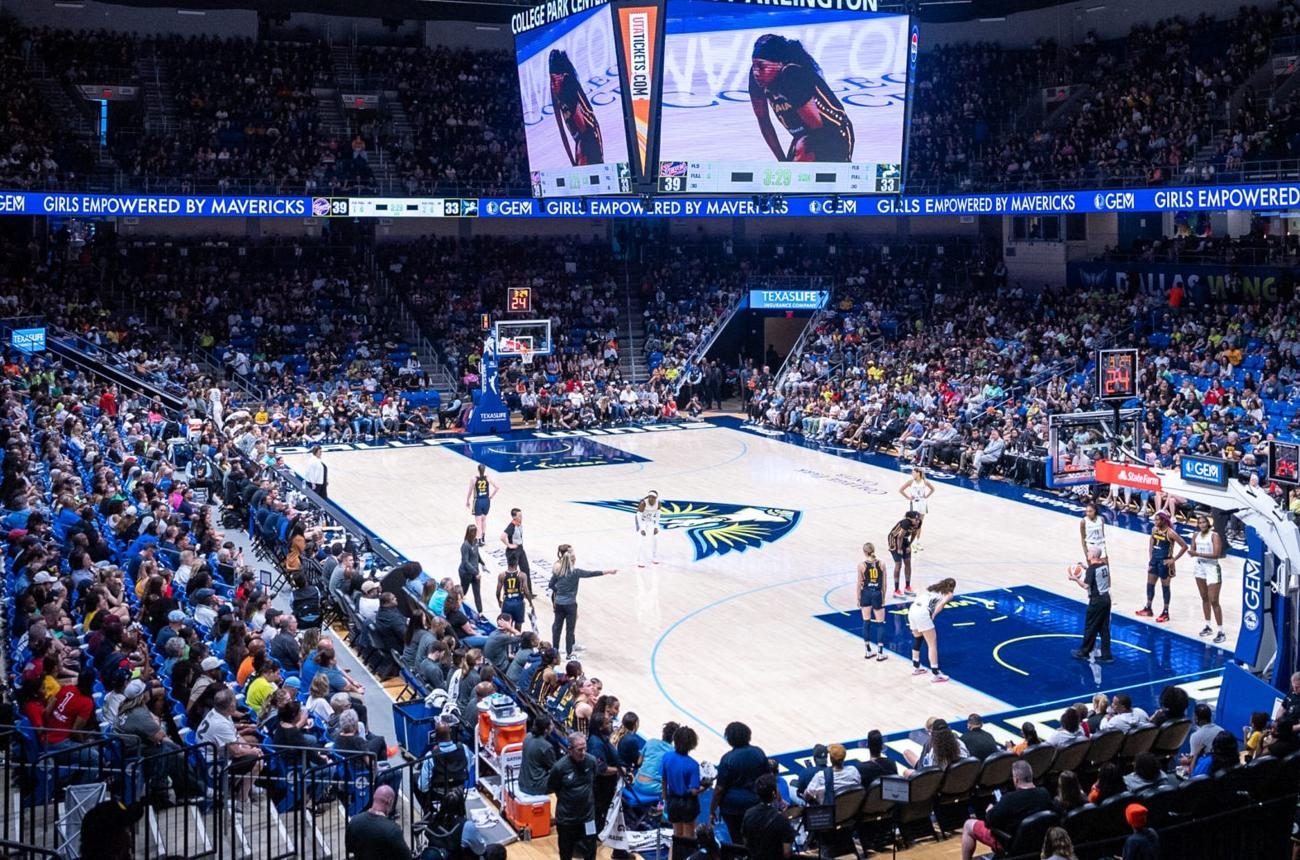
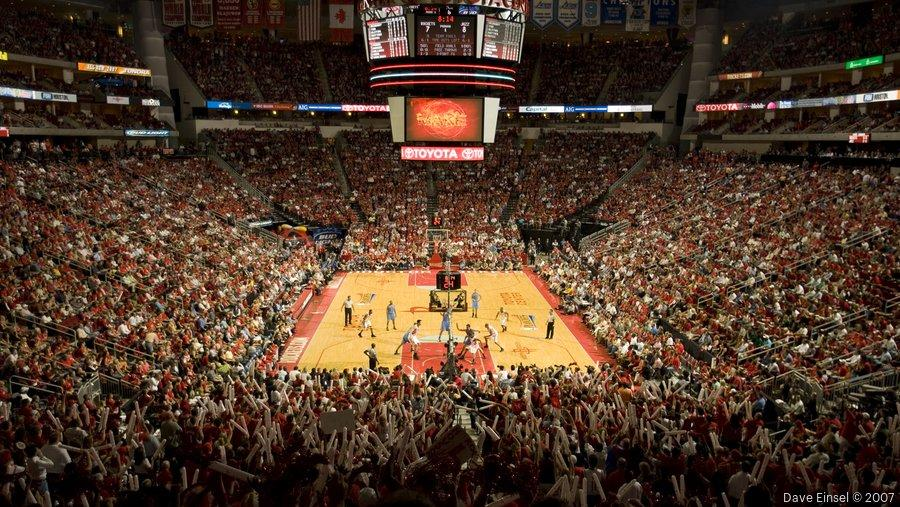
For years, women’s basketball was often discussed as a sport with potential. In the last few seasons, the conversation has shifted closer to market reality. The WNBA, women’s college basketball, and the youth ecosystem around girls’ basketball are now commanding more serious attention from media companies, sponsors, brands, and arena operators.
That change is partly driven by stars, but it is bigger than any single player or draft class. The more important development is that women’s basketball is now being treated by more stakeholders as a durable audience and revenue category rather than a niche add-on.
In practical terms, that means more national TV windows, stronger attendance momentum, better sponsorship interest, more serious content packaging, and a growing appetite for storytelling around players, rivalries, and programs. It also means more pressure on leagues and schools to improve infrastructure, scheduling, travel conditions, staffing, and fan experience.
For basketball families, the downstream effect matters. Increased visibility at the top can widen the development pathway beneath it. More girls can see viable futures in the sport not only as players, but also as coaches, trainers, analysts, media professionals, and executives.
This is one of the most important basketball shifts in America because it is not just changing who gets watched. It is changing who gets invested in.
Trend 5: Basketball Media Is Fragmenting—and Becoming More Personal
The old model of basketball media was relatively simple: fans watched games on television, checked highlights, read columns, and followed a handful of studio shows. That ecosystem still exists, but it no longer operates alone.
Today, a fan might watch a nationally televised NBA game, follow a beat reporter on X, listen to a player podcast, get college recruiting updates from a creator on YouTube, check clips on TikTok or Instagram, and consume betting-related data from an app before breakfast. In other words, basketball coverage is no longer just event-based. It is ambient, constant, and personalized.
This matters because the business of basketball now depends not only on ticket sales and rights deals, but on whether leagues, teams, players, and media companies can hold attention between games. The modern fan often expects:
- short-form highlights almost immediately
- behind-the-scenes access and personality-driven content
- data overlays, lineup context, and tactical explanation
- creator commentary that feels less formal than traditional studio analysis
- flexible viewing options across broadcast, streaming, and social platforms
For leagues and teams, this creates both opportunity and risk. The opportunity is broader reach. The risk is that attention becomes fragmented and loyalty becomes more fragile. A younger fan may follow players more closely than teams, or a creator more closely than a broadcast partner.
That shift is especially relevant to basketball because the sport naturally produces clips, individual stars, and style-driven storytelling. It is built for visual media in a way some sports are not. The question is no longer whether basketball works in the social era. It is how organizations monetize and sustain that attention without cheapening the product.
Trend 6: The Business of Facilities, Events, and Youth Circuits Is Expanding
Basketball’s growth in America is also being shaped by real estate, local economics, and event infrastructure. New training centers, youth sports complexes, mixed-use arenas, and club facilities are becoming part of the basketball economy.
Why does that matter? Because where basketball gets played affects who has access, how often they train, and what kind of ecosystem forms around them. In many parts of the country, youth basketball is no longer anchored only by school gyms and public rec centers. It is increasingly supported by privately operated facilities that host tournaments, training, leagues, camps, and content production under one roof.
This can improve access to high-level resources, but it can also deepen inequities. Families with money, transportation, and schedule flexibility can navigate the travel circuit more easily than families without those advantages. That does not mean the old system was fairer, but it does mean the modern basketball landscape often rewards organization and resources as much as raw talent.
For local economies, basketball events are now a meaningful tourism driver. Weekend tournaments fill hotels, restaurants, and retail corridors. Cities that invest in sports complexes are often making a bet not only on youth development, but on event-driven spending. That is one reason basketball is increasingly relevant to city planners, investors, and venue operators—not just coaches and fans.
Trend 7: Positionless Basketball Is Also Changing Defense, Not Just Offense
Much of the public conversation around basketball trends focuses on offense: pace, spacing, shooting, and shot charts. But one of the more important shifts is happening on the other end of the floor.
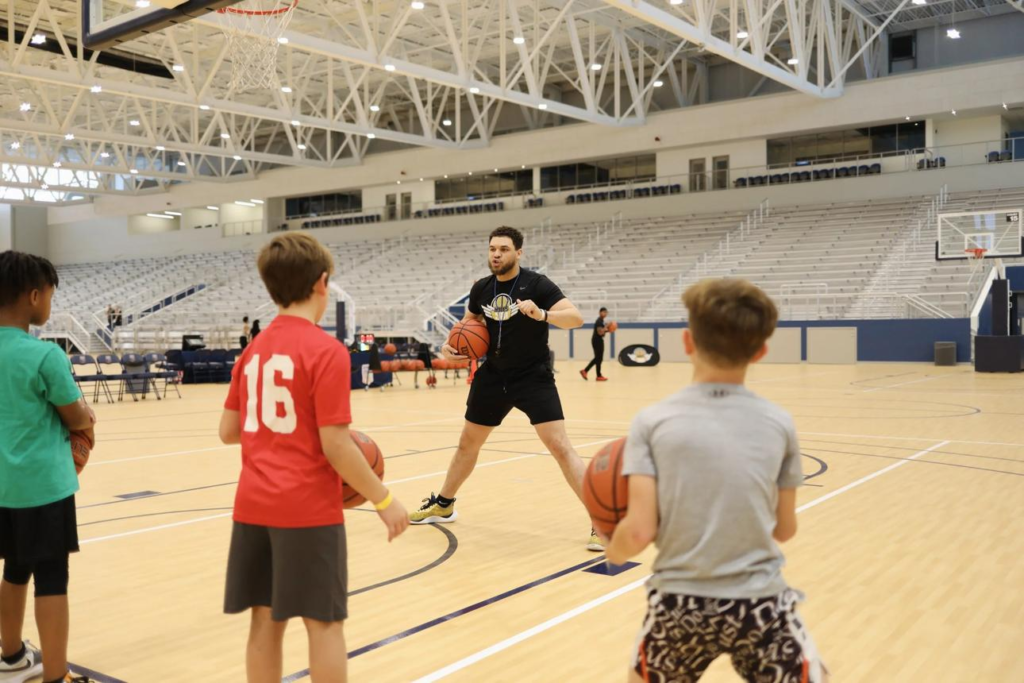
As offenses stretch the court and place more ball-handling responsibility on multiple players, defenses have adapted by prioritizing switchability, recovery speed, communication, and versatility. A defender who can guard one position well is still useful. A defender who can survive across three positions, contain a drive, tag a roller, and rotate back to a shooter is far more valuable in many modern systems.
That has changed player development in subtle ways. Coaches are placing greater emphasis on:
- lateral movement and hip mobility
- closeout discipline without overcommitting
- help-side timing and low-man rotations
- screen navigation for guards
- defensive rebounding from perimeter players
- communication in switching and scram situations
This is one reason modern basketball can look faster mentally, not just physically. The best teams are not merely running more sophisticated offense. They are also processing more defensive information in less time.
For youth and high school players, that is a useful lesson. The fastest way to stand out is not always by adding one more dribble move. It may be by becoming the player who understands rotations, defends without fouling, rebounds out of area, and makes smart decisions in transition.
Trend 8: Basketball Is Becoming More Data-Literate at Every Level
Analytics used to be framed as something for front offices and NBA strategy departments. That is no longer true. Data literacy has spread into college programs, high school training, broadcast coverage, fan discourse, and even grassroots player development.
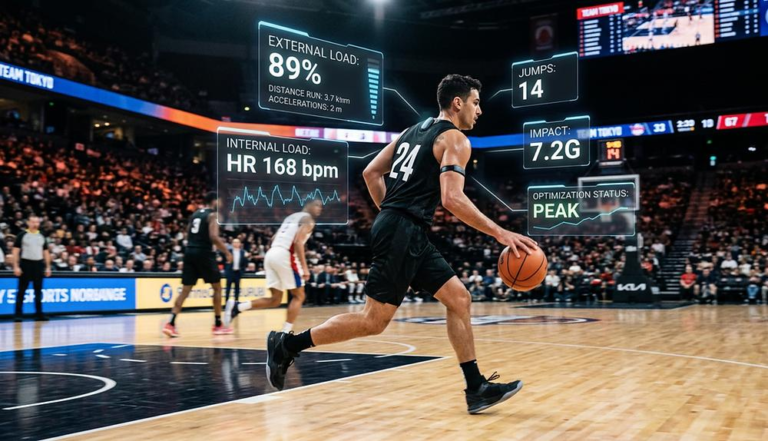
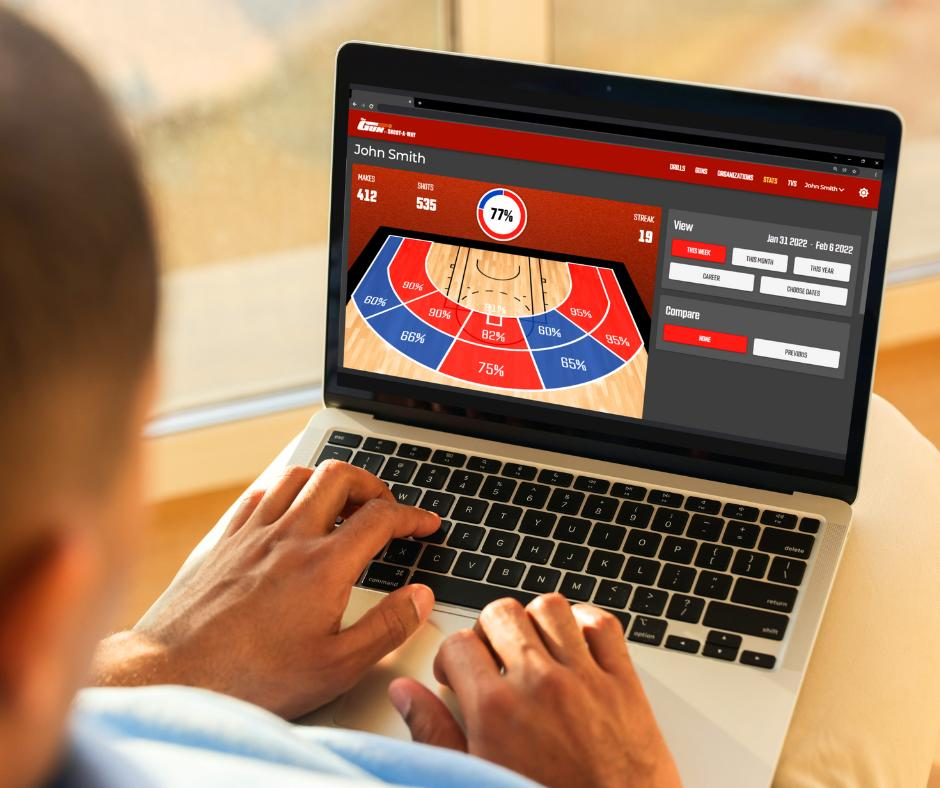
Not every coach is building lineup models or expected-value shot maps, but more people in the sport are asking better questions. Instead of simply asking whether a player scored 20 points, they may ask how efficiently those points came, what lineups the player thrived in, whether he created open looks for teammates, and whether the defense improved when he was on the floor.
At lower levels, this can be helpful when used responsibly. Tracking shot location, turnover types, rebounding rates, or lineup combinations can help coaches teach more clearly. But there is also a danger in pretending every basketball environment needs a pro-style analytics apparatus. Context still matters. A high school team may gain more from honest film review and a few basic efficiency markers than from drowning players in numbers.
The most useful version of basketball analytics in America right now is not replacing coaching judgment. It is sharpening it.
What These Trends Mean for Players, Parents, Coaches, and Fans
The common thread across these changes is that basketball is becoming more interconnected. What happens in the NBA affects youth training. What happens in college roster rules affects fan loyalty. What happens in media distribution affects sponsorship value. What happens in women’s basketball affects participation, visibility, and investment across the entire sport.
For different groups, the practical implications look different.
For players: versatility, decision-making, and shooting range matter more than ever, but so do strength, health, and defensive reliability.
For parents: the smartest development path is not always the busiest one. More tournaments, more travel, and more trainers do not automatically equal better outcomes.
For coaches: roster management, player retention, communication, and tactical adaptability are becoming just as important as play design.
For fans: the best way to understand modern basketball is to follow the ecosystem, not just the standings. The sport’s biggest shifts are often happening off the scoreboard.
FAQs About Basketball Trends in America
1) Why are basketball teams taking so many more three-pointers now?
Because modern offenses are built around shot efficiency. Three-pointers, shots at the rim, and free throws generally produce better expected value than contested midrange attempts. Teams are also spacing the floor more effectively, which creates more clean perimeter looks.
2) Is AAU basketball good or bad for player development?
It depends on the program and the player’s overall schedule. AAU can provide exposure and competitive reps, but it can also lead to overuse, poor recovery, and too many games without enough skill development. The best results usually come from balancing games with strength work, film study, and targeted practice.
3) How is NIL changing college basketball?
NIL has made roster building more fluid and more competitive. Players have more leverage, coaches have more retention challenges, and experienced transfers have become even more valuable. It has also changed how programs think about player acquisition, development, and brand-building.
4) Why does college basketball feel less stable than it used to?
Because transfer movement has accelerated roster turnover. Fans are seeing more one-year stopovers, fewer long player arcs, and more offseason rebuilding through the portal.
5) Is women’s basketball really growing, or is it just a temporary surge?
The stronger case is that it is becoming a more durable part of the basketball business. Star power matters, but so do attendance gains, better TV windows, sponsor interest, and deeper institutional investment.
6) What does “positionless basketball” actually mean?
It does not mean positions have disappeared. It means players are increasingly expected to handle multiple responsibilities—shooting, switching, passing, defending in space, and making quick decisions—rather than fitting into a narrow traditional role.
7) What should young basketball players focus on most right now?
Shooting fundamentals, footwork, decision-making, strength, defensive habits, and consistency. Players who can think the game, move well, and contribute without the ball often separate themselves faster than players who focus only on flashy scoring skills.
8) Are analytics ruining basketball?
Not necessarily. Analytics can improve shot selection, lineup decisions, and player evaluation. The issue is not data itself; it is whether the numbers are being applied thoughtfully and with context.
9) Why are streaming and social media so important to basketball now?
Because fans increasingly discover and follow basketball outside traditional TV broadcasts. Highlights, creator commentary, player podcasts, and streaming access all help shape attention, loyalty, and commercial value.
10) What basketball trend matters most over the next few years?
The most important long-term trend may be the convergence of development, media, and money. Basketball is no longer changing in isolated pockets. Youth training, college movement, pro strategy, women’s basketball growth, and digital media are all influencing one another at the same time.
Where the Next Era of American Basketball Will Be Decided
The next phase of basketball in America will not be decided by one league office, one rules committee, or one draft class. It will be shaped by a series of connected choices: how young players are trained, how college programs balance mobility and continuity, how seriously women’s basketball is funded, how media companies package the sport, and how communities invest in access to courts, coaches, and facilities.
That is why the most important basketball trends are not always the loudest ones. Some of them are happening in roster spreadsheets, suburban training centers, NIL meetings, streaming negotiations, and youth gyms on weekday nights. Together, they are changing not just how basketball is played, but who gets to build a future in the game.
Signals Worth Watching Over the Next Few Seasons
- Three-point volume will keep mattering, but the more important edge may come from decision speed and defensive versatility.
- College programs that manage retention, transfers, and culture well are likely to outperform programs that chase talent without fit.
- Women’s basketball is likely to remain one of the most consequential growth areas in the American sports market.
- Youth development conversations will increasingly shift from exposure to efficiency, health, and long-term skill building.
- Media value will depend less on one-way broadcasting and more on whether basketball properties can sustain daily attention across platforms.
- Facilities, tournament circuits, and localized basketball ecosystems will continue shaping who has access to high-level development.
About the Author