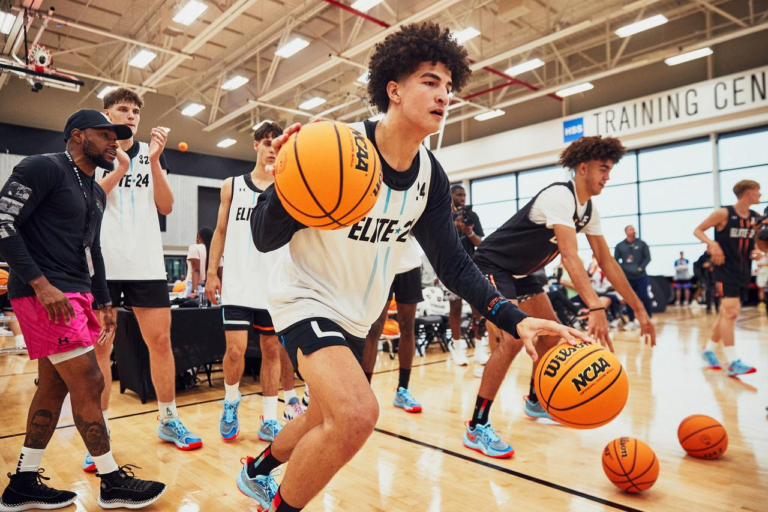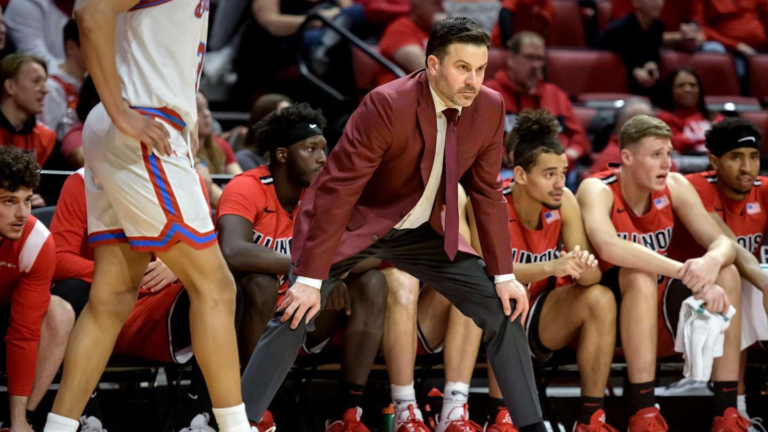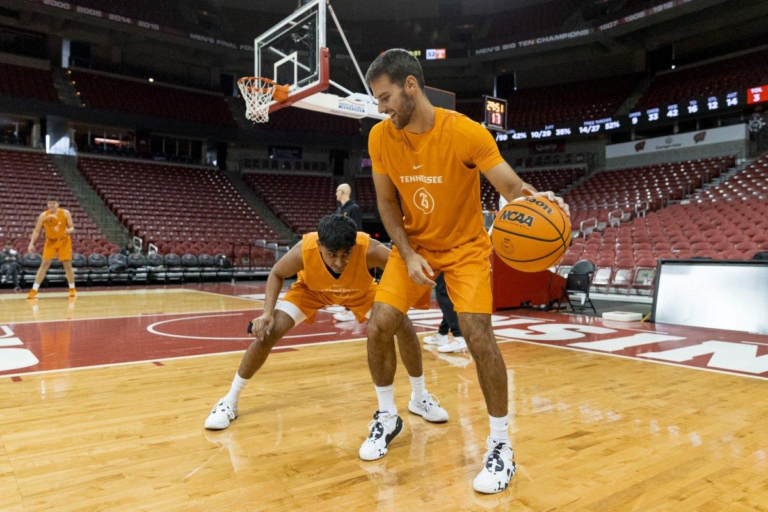
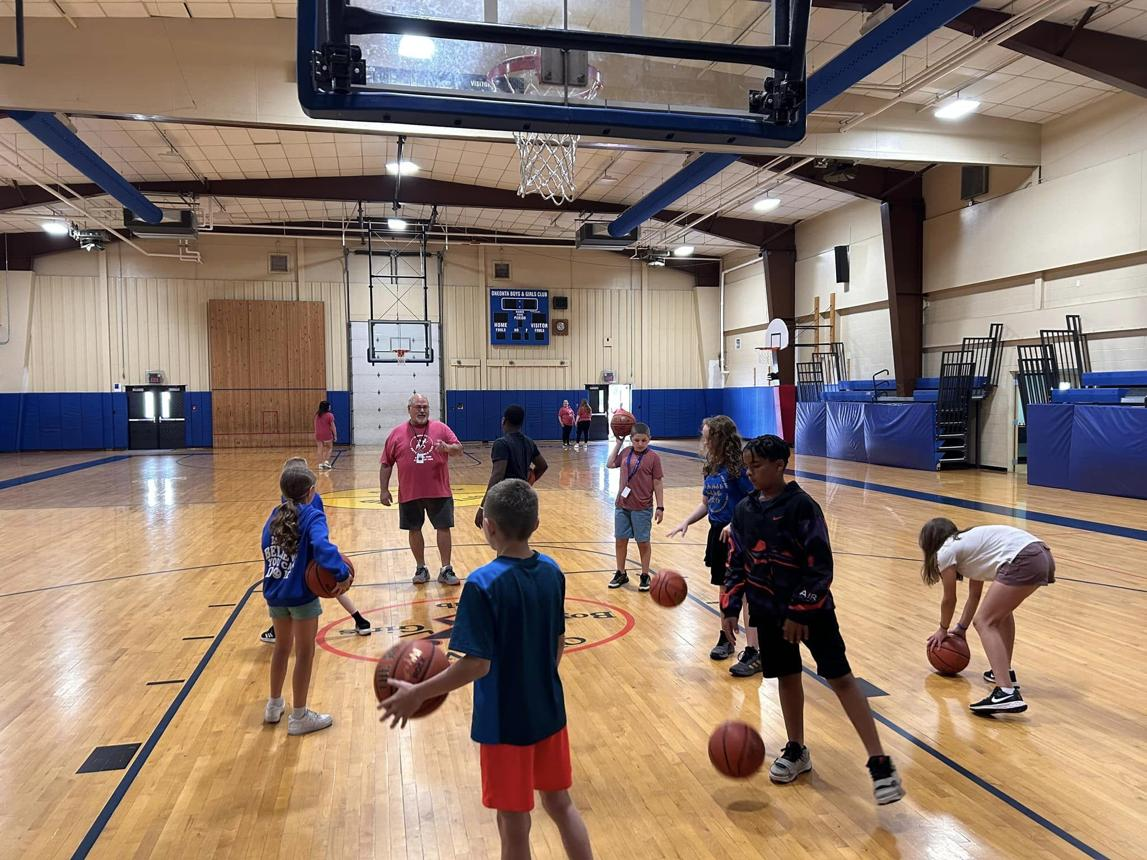
Basketball is evolving through advances in player development, analytics, sports science, technology, and changing styles of play. From youth leagues emphasizing skill over specialization to the NBA’s data-driven strategies, today’s game rewards versatility, efficiency, and smarter decision-making. Understanding these trends helps players, parents, coaches, and fans better appreciate how basketball continues adapting at every level of competition.
The Evolution of Basketball Has Never Been Faster
Basketball has always been a sport built on innovation. Every generation introduces new ideas that influence how players train, how coaches develop strategies, and how organizations evaluate talent. Today’s game is changing more rapidly than ever before thanks to advances in sports science, analytics, technology, and player development.
The trends shaping modern basketball aren’t limited to professional arenas. Many of the concepts seen during NBA broadcasts begin years earlier in youth gyms, high school tournaments, college programs, and grassroots organizations.
This interconnected development pipeline means today’s young players often learn skills that professional athletes were never taught during their own youth careers. Likewise, coaches now have access to video analysis, performance tracking, and educational resources that were once available only to elite organizations.
Understanding these changes offers valuable insight whether you’re a parent, player, coach, or simply someone who enjoys watching the sport.
Skill Development Is Replacing Position Labels
One of the biggest shifts in basketball is the move away from rigid positional roles.
For decades, young athletes were often assigned a single position based largely on height. Taller players spent most of their time near the basket, while smaller players handled the ball.
Today’s philosophy looks very different.
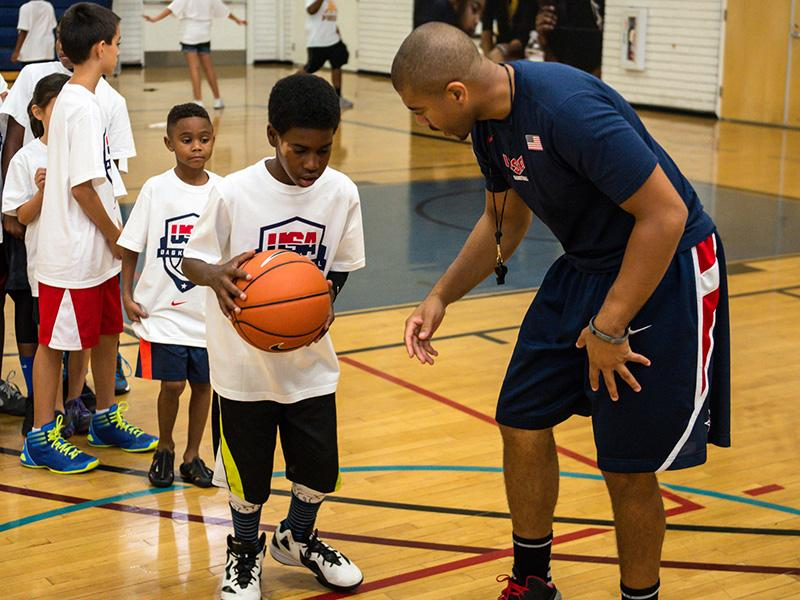
Many youth coaches encourage every player to develop:
- Ball handling
- Passing
- Shooting
- Defensive versatility
- Decision-making
- Transition play
This broader skill set creates more adaptable athletes capable of adjusting as they grow physically.
At the professional level, this evolution has produced versatile players who can defend multiple positions, initiate offense, and contribute across nearly every statistical category.
The Three-Point Shot Continues to Shape Strategy
Perhaps no trend has transformed modern basketball more visibly than three-point shooting.
Research from NBA statistical analysis has consistently demonstrated that efficient three-point shooting often produces greater offensive value than lower-percentage mid-range attempts. Teams now structure offensive systems around spacing, ball movement, and shot quality rather than simply accumulating shot volume.
However, this doesn’t mean every player should prioritize long-range shooting at the expense of fundamental skills.
Successful programs still emphasize:
- Proper footwork
- Layup efficiency
- Finishing through contact
- Free-throw consistency
- Defensive positioning
The best teams combine modern spacing principles with strong basketball fundamentals rather than viewing them as competing priorities.
Analytics Have Expanded Beyond Professional Basketball
Data-driven decision making has become a defining characteristic of modern basketball.
NBA organizations employ extensive analytics departments that evaluate everything from lineup efficiency to defensive matchups.
These concepts have gradually reached college, high school, and even youth basketball through affordable software and digital platforms.
Modern analytics commonly examine:
- Shot selection
- Assist-to-turnover ratio
- Defensive efficiency
- Rebounding percentage
- Pace of play
- Player workload
The purpose isn’t replacing coaching judgment.
Instead, data provides another perspective that helps coaches identify patterns they might otherwise miss.
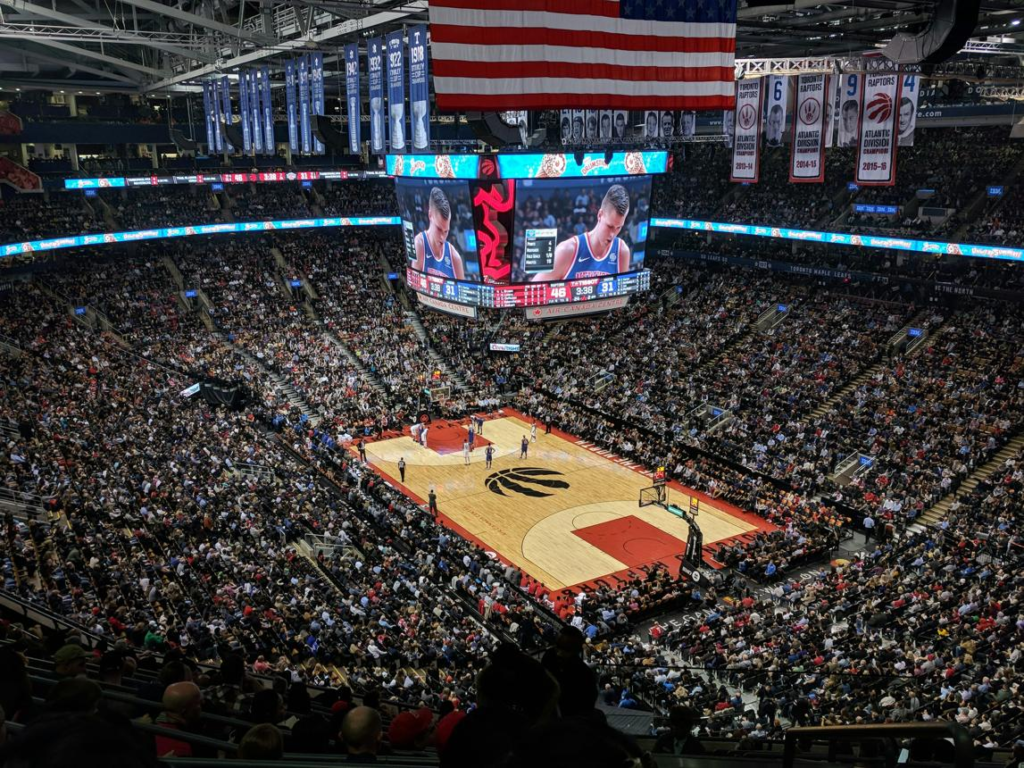
Sports Science Is Helping Athletes Stay Healthier
Player availability has become one of basketball’s most valuable assets.
As a result, sports science has become an essential component of modern competition.
Professional organizations increasingly monitor:
- Training volume
- Recovery
- Sleep quality
- Nutrition
- Movement efficiency
- Injury prevention
Many collegiate and high school athletic programs now incorporate similar principles.
For younger athletes, this trend also includes educating families about avoiding excessive year-round competition without adequate recovery.
Organizations such as the American Academy of Pediatrics have highlighted the importance of balancing competition with rest to reduce overuse injuries among youth athletes.
Multi-Sport Participation Is Regaining Support
For years, early specialization became increasingly common.
Many young athletes believed focusing exclusively on basketball would improve scholarship opportunities.
More recently, however, sports medicine researchers and athletic development experts have encouraged a more balanced approach.
Playing multiple sports may help athletes develop:
- Coordination
- Agility
- Overall athleticism
- Mental resilience
- Reduced burnout risk
- Diverse movement patterns
Many NBA players participated in football, baseball, soccer, volleyball, or track during their youth.
Rather than slowing development, varied athletic experiences often contribute to more complete physical development.
Technology Is Changing Coaching and Learning
Today’s basketball players learn differently than previous generations.
Instead of relying solely on in-person instruction, athletes now have access to:
- Slow-motion video analysis
- Digital playbooks
- Online coaching clinics
- Shooting analysis apps
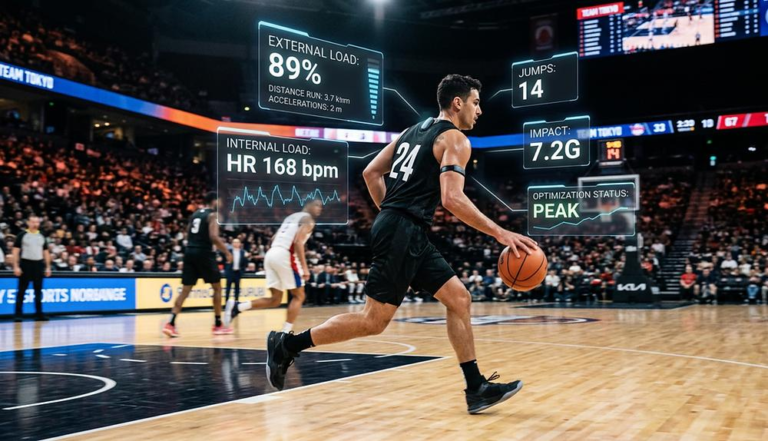
- Wearable performance devices
- Game film libraries
Video review has become particularly valuable.
Players can immediately compare practice repetitions with game situations, helping reinforce proper mechanics while identifying areas for improvement.
For coaches, cloud-based platforms also simplify communication between practices and games.

Defensive Versatility Has Become More Valuable
While offensive innovation receives significant attention, defense has evolved just as dramatically.
Modern defensive systems increasingly prioritize versatility.
Players capable of switching assignments, defending multiple positions, and communicating effectively create greater lineup flexibility.
Defensive success now depends upon:
- Team rotations
- Communication
- Anticipation
- Closeout technique
- Transition defense
- Help-side positioning
This shift explains why many coaches now emphasize basketball IQ alongside athletic ability.
Basketball IQ Is Becoming a Competitive Advantage
Physical talent remains important.
Yet coaches increasingly value decision-making just as highly.
Basketball IQ includes recognizing defensive schemes, understanding spacing, reading passing lanes, and making quick decisions under pressure.
Players who consistently make smart choices often outperform more athletic opponents.
This explains why film study has become an increasingly important component of player development at nearly every competitive level.
The Women’s Game Is Influencing Basketball More Than Ever
Women’s basketball continues experiencing significant growth in visibility, participation, and influence.
Higher television audiences, increased youth participation, expanded collegiate opportunities, and stronger professional investment have broadened the sport’s overall popularity.
Many coaches now study offensive concepts, ball movement, and team-oriented execution from elite women’s programs alongside NBA systems.
This cross-pollination benefits basketball at every level.
Mental Performance Is Receiving Greater Attention
Modern coaching increasingly recognizes that performance extends beyond physical preparation.
Athletes now work on:
- Confidence
- Focus
- Emotional regulation
- Communication
- Leadership
- Resilience
Sports psychologists and mental performance specialists have become common resources across collegiate and professional basketball.
Youth organizations are also introducing age-appropriate approaches that help players develop healthy competitive habits while managing pressure.
NIL and Transfer Rules Continue Changing College Basketball
College basketball has undergone substantial structural change in recent years.
Name, Image, and Likeness (NIL) opportunities allow eligible student-athletes to earn compensation through endorsements and partnerships while maintaining NCAA eligibility under current rules.
Combined with transfer portal flexibility, roster construction has become increasingly dynamic.
These developments affect recruiting, player retention, coaching strategy, and program development across Division I basketball.
For high school athletes, understanding these evolving systems has become an important part of long-term planning.
What Parents and Young Players Can Learn From Today’s Trends
Parents sometimes assume success requires copying professional basketball exactly.
In reality, many of the sport’s most respected development experts recommend emphasizing long-term growth over short-term wins.
Healthy player development often includes:
- Learning multiple skills
- Prioritizing academics
- Building good practice habits
- Maintaining physical health
- Developing leadership
- Enjoying the game
These principles remain valuable regardless of whether an athlete ultimately competes professionally.
Frequently Asked Questions
1. Why are three-point shots so important in today’s basketball?
Three-point shots generally produce greater scoring efficiency when taken by capable shooters within structured offensive systems, encouraging teams to maximize spacing and offensive value.
2. Should young basketball players specialize early?
Most sports medicine experts recommend balanced athletic development rather than early specialization, particularly during childhood.
3. Is basketball becoming too dependent on analytics?
Analytics support coaching decisions but rarely replace experience, observation, and player relationships.
4. What skills should youth basketball players prioritize?
Ball handling, shooting, passing, defensive fundamentals, footwork, communication, and decision-making provide a strong foundation.
5. How has technology improved basketball coaching?
Video analysis, wearable devices, online learning platforms, and performance tracking allow coaches to provide more individualized instruction.
6. Why are versatile players increasingly valuable?
Versatile athletes adapt to multiple offensive and defensive roles, giving coaches greater strategic flexibility.
7. Does playing multiple sports improve basketball performance?
Research suggests multi-sport participation may enhance overall athletic development while reducing burnout and overuse injuries.
8. How important is basketball IQ?
Basketball IQ often separates similarly talented players by improving decision-making, positioning, and game awareness.
9. Are recovery and nutrition really that important?
Yes. Recovery, sleep, hydration, and balanced nutrition significantly influence performance, injury prevention, and long-term development.
10. What trend will likely shape basketball most over the next decade?
The combination of personalized player development, technology, sports science, and smarter coaching will likely continue driving basketball’s evolution.
About the Author