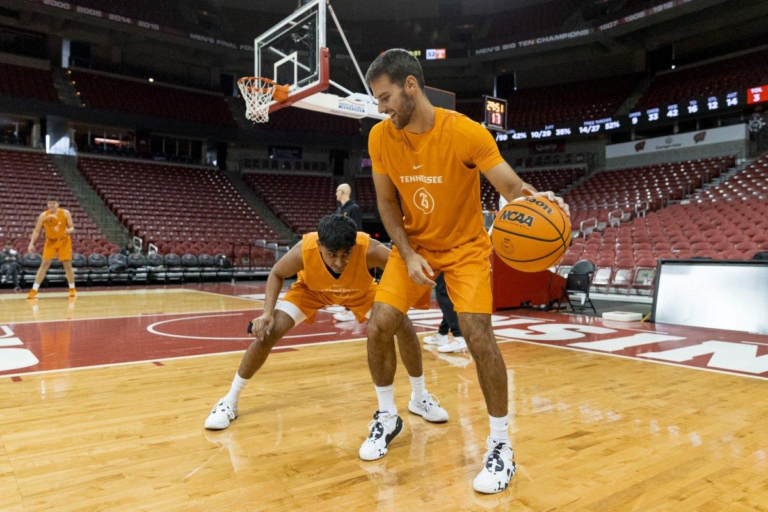

Basketball is evolving far beyond points, rebounds, and assists. Advances in analytics, player development, sports science, technology, and fan engagement are reshaping competition from youth leagues to the professional ranks. Understanding these emerging trends helps coaches, players, parents, and fans better appreciate how the sport is changing and where basketball may be headed in the years ahead.
Introduction
For decades, basketball conversations revolved around familiar statistics. Fans debated scoring averages, coaches focused on rebounds and turnovers, and players built reputations through traditional box-score production.
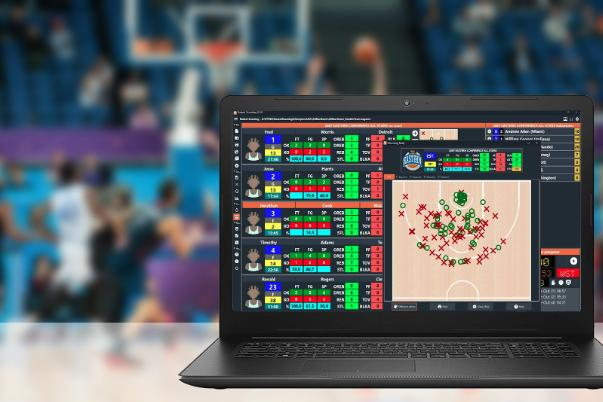
Today, however, basketball is being influenced by forces that extend far beyond conventional statistics. Organizations at every level—from youth programs to the NBA—are investing in advanced analytics, performance technology, injury prevention systems, and data-driven decision-making.
As a result, competition is changing in meaningful ways. Coaches are redesigning offenses, players are developing new skill sets, and teams are using information previously unavailable to gain advantages.
For anyone involved in basketball, understanding these trends offers valuable insight into how the sport is evolving and what future success may require.
Why Basketball Evaluation Is Expanding Beyond Traditional Statistics
Traditional box scores remain useful, but they often fail to capture a player’s complete impact.
A defender who forces difficult shots may contribute significantly without recording steals or blocks. A player who creates spacing can influence offensive efficiency without scoring many points. A smart passer may initiate actions that lead to assists several passes later.
This recognition has encouraged teams to adopt more sophisticated evaluation methods.
Modern basketball organizations increasingly analyze:
- Shot quality
- Defensive positioning
- Player movement
- Lineup efficiency
- Possession outcomes
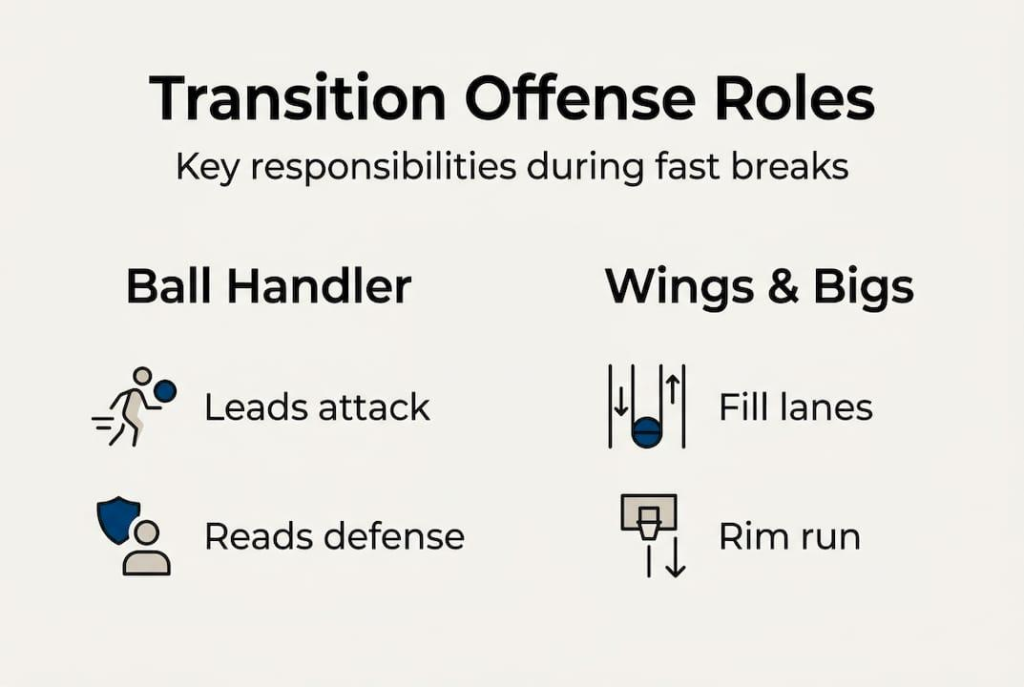
- Transition effectiveness
- Decision-making speed
These measurements help teams understand performance in greater detail than traditional statistics allow.
The result is a more complete picture of how players contribute to winning.
The Rise of Advanced Analytics
One of the most significant developments in basketball over the past decade has been the widespread adoption of analytics.
Professional teams now employ dedicated analytics departments that evaluate thousands of possessions each season.
Rather than focusing solely on points scored, analysts examine metrics such as:
- Effective field goal percentage
- Offensive rating
- Defensive rating
- Player efficiency
- Usage rate
- Shot location data
- Lineup performance
Analytics have influenced strategic decisions across all levels of competition.
For example, research consistently shows that three-point shots and attempts near the basket often generate greater scoring efficiency than mid-range jump shots.
This insight has contributed to noticeable shifts in offensive systems throughout basketball.
Youth programs, high school teams, college programs, and professional organizations increasingly encourage shot selection based on expected value rather than tradition.
The impact is visible in modern offensive spacing and shooting philosophies.
Positionless Basketball Continues to Expand
One of the most discussed trends in modern basketball is the concept of positionless play.
Historically, teams relied on clearly defined roles:
- Point guards handled the ball
- Shooting guards scored
- Small forwards attacked the wing
- Power forwards played inside
- Centers protected the paint
Today’s game often demands greater versatility.
Players are expected to:
- Handle the ball
- Defend multiple positions
- Shoot from distance
- Create offense
- Switch defensively
This flexibility allows coaches to deploy more adaptable lineups.
The influence of versatile stars has accelerated this trend, encouraging younger players to develop complete skill sets rather than specializing too early.
As a result, player development programs increasingly emphasize all-around basketball abilities.
Sports Science Is Changing How Athletes Train
Training methods have evolved dramatically.
Modern basketball programs increasingly rely on sports science to improve performance and reduce injury risk.
Teams monitor factors such as:
- Workload
- Sleep quality
- Recovery metrics
- Heart rate variability
- Movement efficiency
- Training intensity
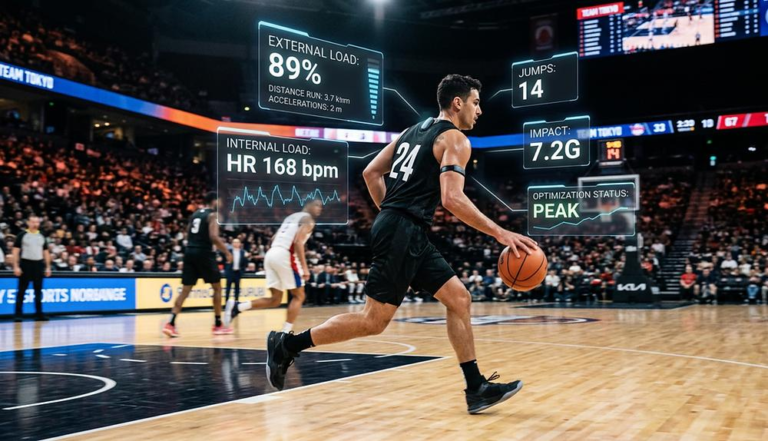
Wearable technology allows coaches and performance staff to collect objective data throughout practices and games.
This information helps identify signs of fatigue before they become serious problems.
For example, many organizations now use load management strategies to balance performance and recovery over long seasons.
At youth and amateur levels, sports science principles are also gaining traction, with greater emphasis on proper recovery, nutrition, and injury prevention.
The result is a more sustainable approach to athletic development.

The Growing Importance of Skill Development
Basketball development has become increasingly specialized.
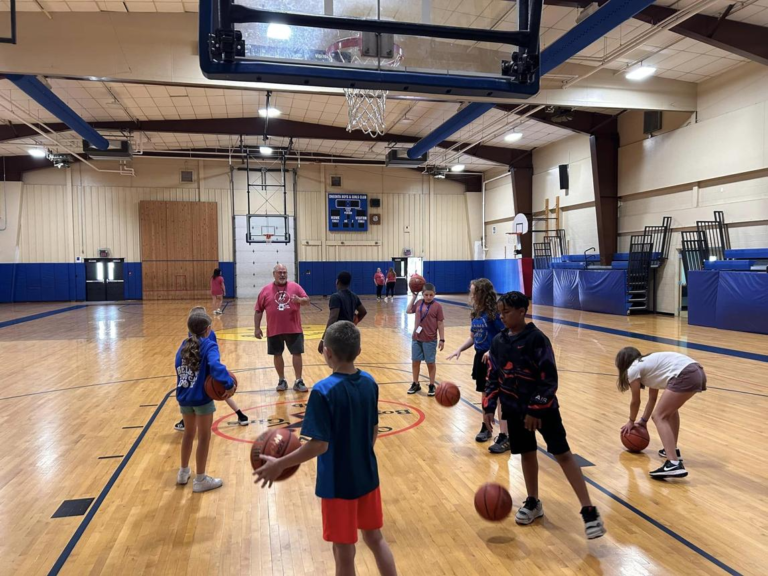
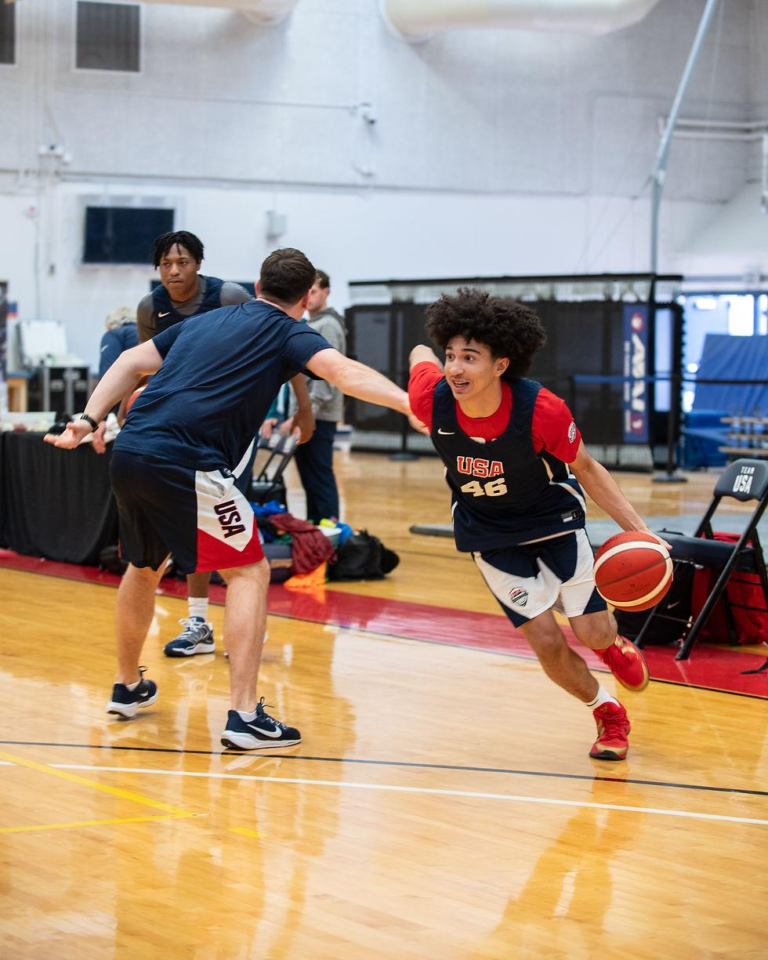
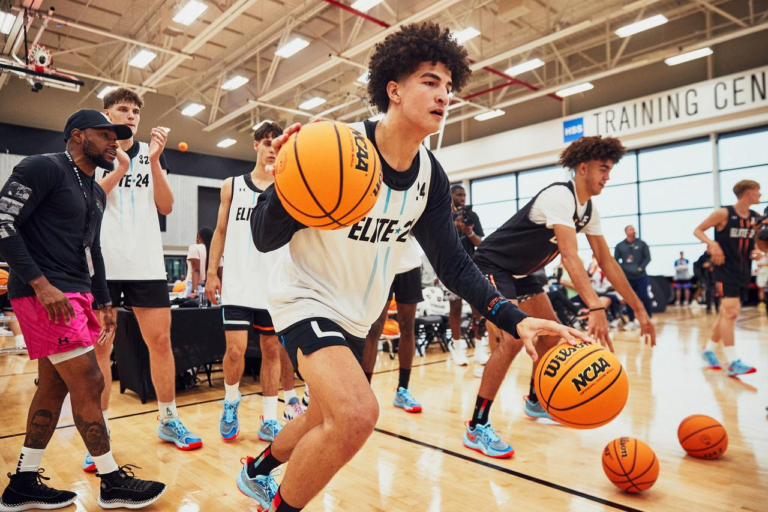
Rather than focusing solely on team practices, many athletes now dedicate substantial time to individual skill training.
Players work on:
- Ball handling
- Shooting mechanics
- Footwork
- Finishing techniques
- Defensive movement
- Decision-making
Technology has accelerated this trend.
Video analysis platforms allow athletes to study their mechanics in detail.
Coaches can identify small inefficiencies and provide targeted feedback.
Young players now have access to resources that were once available only to elite professionals.
This democratization of knowledge is helping raise skill levels across the sport.
Data-Driven Coaching Decisions
Modern coaches have access to more information than ever before.
Game planning increasingly incorporates statistical analysis and performance trends.
Coaches can evaluate:
- Opponent tendencies
- Preferred shot locations
- Defensive weaknesses
- Lineup combinations
- Transition patterns
This information helps teams prepare more effectively.
For example, scouting reports may reveal that an opponent struggles defending pick-and-roll actions on one side of the floor.
Coaches can then design game plans to exploit those tendencies.
At the same time, successful coaches understand that data complements—not replaces—experience and judgment.
The best programs combine analytics with basketball expertise.
Technology Is Transforming Player Development
Technology has become a major force in basketball training.
Modern tools include:
- Motion tracking systems
- Shooting analysis software
- Video breakdown platforms
- Virtual training environments
- AI-assisted performance evaluation
Players can now receive immediate feedback on shooting form, movement patterns, and decision-making.
Many training facilities use cameras and sensors to track thousands of repetitions.
This creates measurable benchmarks that help athletes monitor progress over time.
For coaches, technology improves communication and creates more personalized development plans.
The trend is making basketball training increasingly precise and evidence-based.
The Expansion of Women’s Basketball
Another important trend is the growing visibility and popularity of women’s basketball.
In recent years, interest in women’s college and professional basketball has reached new heights.
Increased media coverage, stronger television audiences, and growing investment have expanded opportunities for athletes and organizations.
The rise of prominent players has introduced new audiences to the sport and demonstrated the high level of competition present across women’s basketball.
This growth is influencing youth participation, sponsorship activity, and overall interest in the game.
The result is a broader and more diverse basketball ecosystem.
Mental Performance Is Becoming a Competitive Advantage
Physical preparation remains important, but mental performance is receiving greater attention than ever before.
Teams increasingly recognize the importance of:
- Focus
- Confidence
- Emotional regulation
- Resilience
- Leadership
- Communication
Sports psychologists and mental performance coaches are becoming common additions to support staffs.
Athletes learn techniques for managing pressure and maintaining consistency during competition.
This trend reflects a broader understanding that performance is influenced by both physical and psychological factors.
At every level, mental skills training is becoming a meaningful component of player development.
How Youth Basketball Is Adapting
Many emerging trends eventually reach youth basketball programs.
Parents and coaches increasingly prioritize:
- Long-term development
- Injury prevention
- Fundamental skills
- Basketball IQ
- Healthy competition
There is also growing awareness of the risks associated with excessive specialization at young ages.
Many experts encourage multi-sport participation during childhood to promote athletic development and reduce burnout.
Youth organizations are increasingly focused on creating environments that support sustainable growth rather than short-term success.
This shift may produce better long-term outcomes for athletes.
What Do These Trends Mean for the Future of Basketball?
Several patterns are likely to continue shaping basketball in the coming years.
We can expect:
- More sophisticated analytics
- Greater use of artificial intelligence
- Expanded player tracking systems
- Continued emphasis on versatility
- Enhanced recovery technologies
- Improved injury prevention methods
- Increased personalization in training
At the same time, basketball’s core appeal remains unchanged.
The game still rewards teamwork, creativity, skill, and competitive spirit.
Technology and analytics may influence how basketball is played, but they do not replace the human elements that make the sport compelling.
The future will likely involve balancing innovation with the traditional values that have long defined the game.
Frequently Asked Questions
1. What is the biggest trend currently affecting basketball?
The growing use of analytics is among the most influential trends, affecting strategy, player evaluation, and roster construction at every level.
2. What does positionless basketball mean?
Positionless basketball refers to players developing versatile skills that allow them to perform multiple roles rather than being limited to traditional positions.
3. How are analytics changing coaching decisions?
Analytics help coaches evaluate lineup combinations, shot selection, opponent tendencies, and overall team efficiency.
4. Why is sports science becoming important in basketball?
Sports science helps improve performance, manage fatigue, reduce injury risk, and optimize athlete development.
5. Are traditional basketball statistics still useful?
Yes. Traditional statistics remain valuable but are increasingly supplemented by advanced metrics that provide additional context.
6. How is technology helping players improve?
Technology provides video analysis, movement tracking, shooting feedback, and personalized training recommendations.
7. What role does mental training play in basketball?
Mental training helps athletes improve focus, confidence, resilience, and performance under pressure.
8. How is youth basketball changing?
Youth basketball is placing greater emphasis on long-term development, skill acquisition, injury prevention, and healthy athletic experiences.
9. Why is versatility becoming more important?
Versatile players provide coaches with greater flexibility and can adapt to multiple game situations.
10. What future developments may shape basketball?
Artificial intelligence, advanced player tracking, enhanced sports science, and personalized development systems are likely to influence future competition.
About the Author