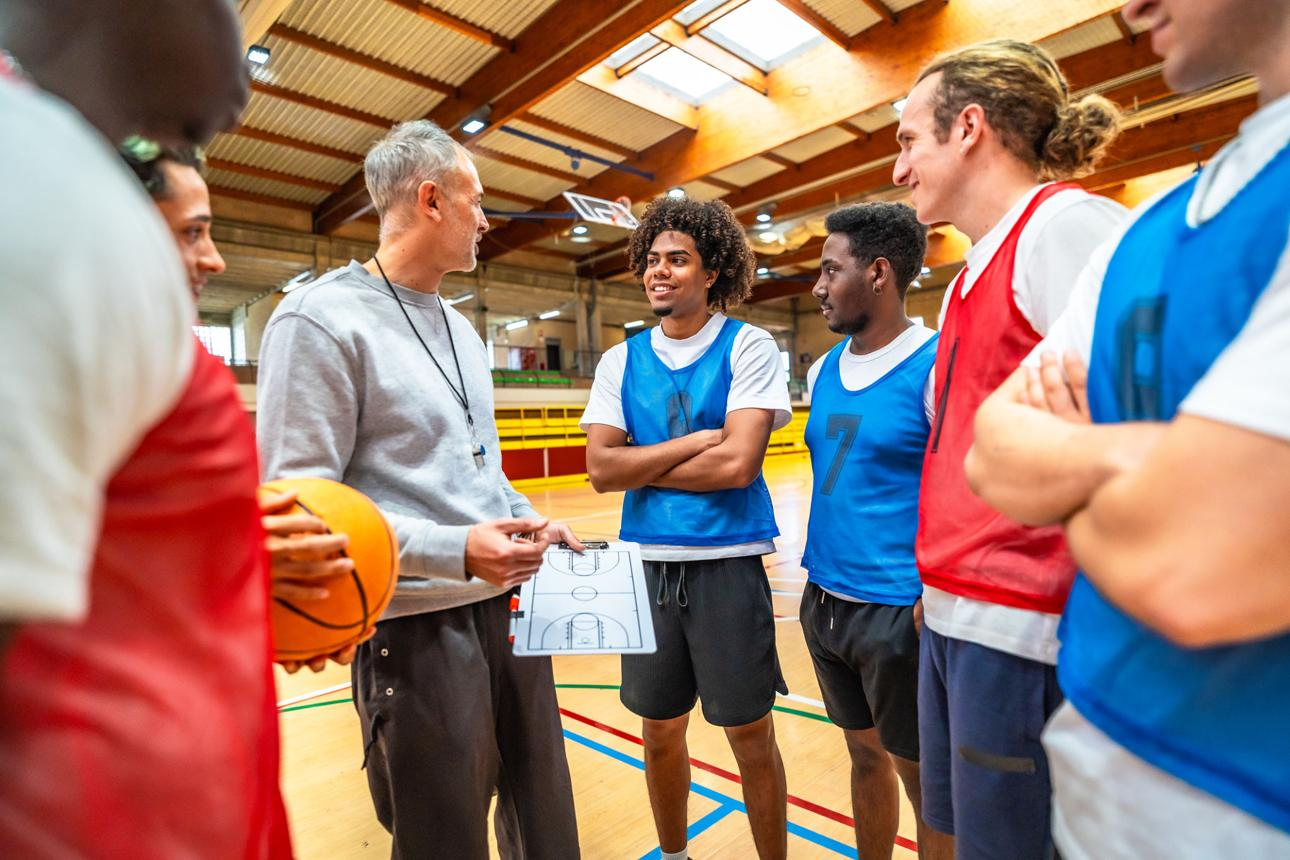
NCAA basketball programs have become valuable case studies in sustainable success, talent development, leadership, and organizational culture. While championships attract attention, many of the most respected programs succeed because they consistently develop players, adapt to change, recruit strategically, and invest in long-term growth. Their approaches offer lessons not only for sports organizations but also for businesses, educators, coaches, and leaders seeking durable success.
Why NCAA Basketball Has Become a Model for Sustainable Success
Success in college basketball is often viewed through the lens of championships, tournament appearances, and recruiting rankings. However, the programs that consistently remain competitive over decades reveal a deeper story. Their achievements are rarely built on short-term advantages alone. Instead, they depend on systems that continually produce results despite changes in players, coaches, competition, and rules.
The NCAA basketball landscape has become increasingly complex. Transfer portal movement, Name, Image, and Likeness (NIL) opportunities, conference realignment, and evolving recruiting dynamics have transformed the sport. Yet several programs continue to perform at a high level year after year.
What makes them different?
The answer often comes down to development. Rather than focusing solely on acquiring talent, successful programs emphasize improving talent. They create environments where athletes become better players, better decision-makers, and more mature leaders.
This distinction offers lessons that extend well beyond basketball.
The Best Programs Build Systems Instead of Depending on Individuals
One of the clearest patterns in NCAA basketball is that sustained success comes from systems rather than star power alone.
Programs such as Duke University Men’s Basketball, University of Kansas Men’s Basketball, and Michigan State Men’s Basketball have maintained relevance across multiple generations of athletes.
While elite players certainly contribute, these programs typically succeed because:
- Development philosophies remain consistent
- Coaching staffs establish clear expectations
- Players understand defined roles
- Leadership structures are reinforced annually
- Team culture survives roster turnover
In practical terms, these programs operate more like enduring institutions than temporary collections of talented athletes.
Businesses often face similar challenges. Employees leave, leadership changes, and market conditions evolve. Organizations that depend entirely on a few individuals often struggle when those people depart. NCAA basketball demonstrates the value of creating repeatable systems that continue producing results regardless of personnel changes.
Why Player Development Often Matters More Than Recruiting Rankings
Recruiting receives enormous media attention, but many coaches argue that development is ultimately more important.
Every year, highly ranked recruiting classes generate headlines. Yet history shows that recruiting success alone does not guarantee championships or long-term competitiveness.
Programs that consistently outperform expectations often excel in areas such as:
- Skill refinement
- Strength and conditioning
- Basketball IQ development
- Leadership training
- Mental preparation
Consider the number of NBA players who entered college without five-star recruiting status but emerged as professional stars after significant development.
Coaches frequently note that the difference between good and great programs is not necessarily identifying talent. It is helping athletes maximize their potential after they arrive on campus.
This principle applies broadly. Whether in sports, education, or business, long-term success often depends less on selecting perfect candidates and more on creating environments where people can improve continuously.
The Growing Importance of Adaptability
One of the most valuable lessons NCAA basketball offers is the importance of adaptation.
The sport has experienced significant changes over the past decade:
- Transfer portal expansion
- NIL opportunities
- Increased player mobility
- Analytics-driven decision making
- Evolving offensive strategies
- Greater emphasis on player empowerment
Programs that resisted change often found themselves falling behind.
Successful coaches increasingly balance tradition with innovation. They maintain core values while adjusting tactics and operational approaches.
For example, modern programs now integrate analytics into practice planning, game preparation, and recruiting evaluation. Many coaching staffs employ specialized personnel dedicated to data analysis.
The lesson is clear: maintaining standards does not require resisting change.
Organizations that adapt while preserving their foundational principles tend to remain competitive over longer periods.
How Elite Programs Create Leadership Pipelines
One overlooked aspect of NCAA basketball success is leadership development.
Strong programs rarely rely on a single vocal leader. Instead, they cultivate leadership throughout the roster.
Veteran players often mentor younger teammates. Team captains learn communication skills. Players gain experience handling adversity, media responsibilities, and high-pressure situations.
Common leadership development practices include:
- Peer mentoring systems
- Leadership councils
- Team-building retreats
- Community engagement programs
- Accountability partnerships
These experiences help athletes develop skills that extend beyond sports.
Many former college basketball players later become business executives, entrepreneurs, coaches, educators, and community leaders. Their leadership foundations often begin during their college athletic careers.
The most successful programs understand that leadership is not an accidental outcome. It is an intentional process.
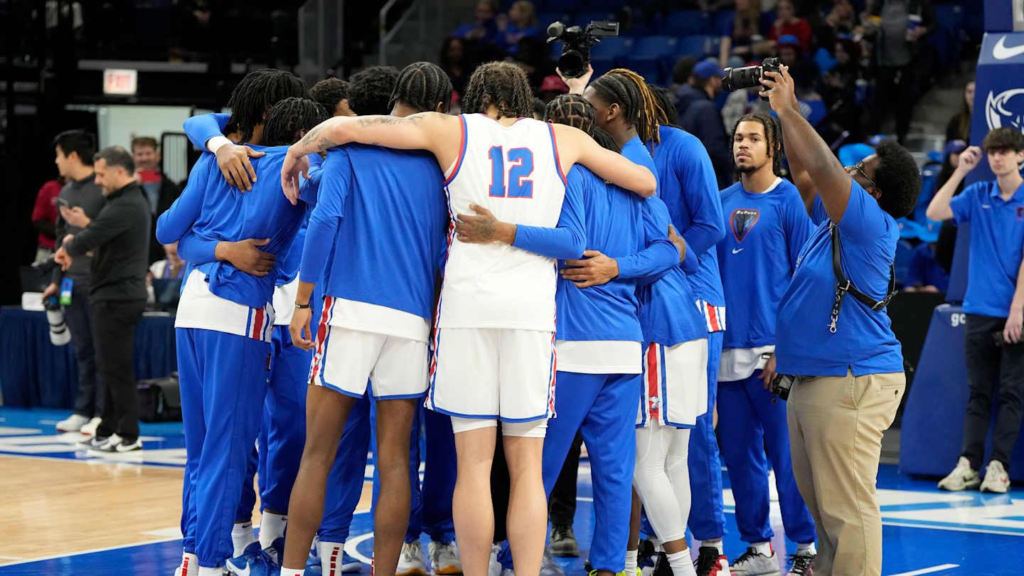
Culture Remains the Ultimate Competitive Advantage
When coaches discuss long-term success, culture consistently emerges as a central theme.
Culture encompasses:
- Daily habits
- Accountability standards
- Work ethic expectations
- Communication norms
- Team values
- Competitive mindset
Programs with strong cultures often maintain performance levels despite injuries, roster turnover, or recruiting fluctuations.
Culture also helps explain why some teams consistently exceed expectations.
Players entering established programs quickly learn behavioral standards. Expectations become self-reinforcing because older players model them for newcomers.
This creates continuity that statistics alone cannot measure.
In many ways, culture functions as an invisible infrastructure supporting performance.
Organizations across industries increasingly recognize this principle. Strong cultures reduce friction, improve collaboration, and create resilience during challenging periods.
What NCAA Basketball Teaches About Handling Adversity
Every season presents setbacks.
Teams lose games. Players suffer injuries. Recruiting targets choose other schools. Expectations are not always met.
The best programs distinguish themselves through their responses to adversity.
Rather than viewing challenges as failures, successful coaches often treat them as development opportunities.
Key characteristics commonly observed include:
- Honest performance evaluations
- Focus on controllable factors
- Emotional resilience training
- Continuous improvement mindset
- Long-term perspective
Teams that adopt these approaches frequently recover more effectively from setbacks.
This resilience mirrors findings from performance psychology research, which consistently shows that adaptability and recovery capacity are critical predictors of sustained achievement.
The ability to respond constructively to adversity may be more important than avoiding adversity altogether.
Why Development Is Becoming More Individualized
Modern NCAA basketball programs increasingly recognize that development is not one-size-fits-all.
Today’s athletes arrive with diverse backgrounds, skill sets, learning preferences, and career goals.
As a result, leading programs now create personalized development plans that may include:
- Individual skill training
- Nutrition guidance
- Mental performance coaching
- Academic support
- Career preparation
- Professional networking opportunities
This individualized approach reflects broader trends throughout sports and education.
Athletes are more likely to reach their potential when development strategies align with their specific needs.
The shift also highlights an important lesson for leaders: personalization often improves outcomes more effectively than standardized approaches.
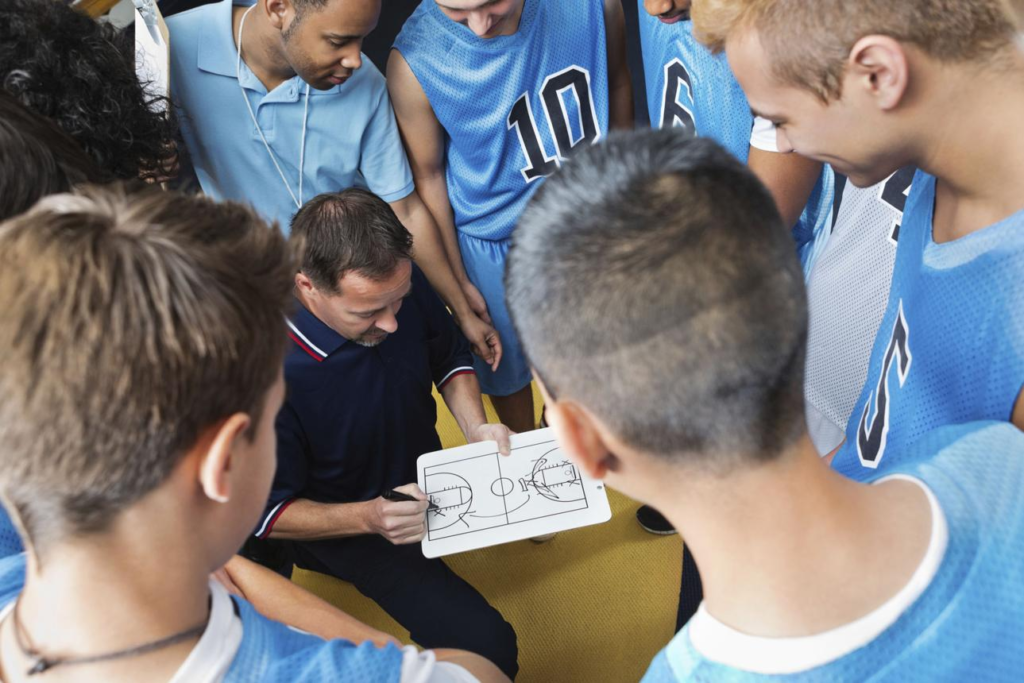
The Role of Data in Modern Player Development
Analytics have become a major component of NCAA basketball success.
Advanced data now helps coaches evaluate:
- Shot selection efficiency
- Defensive effectiveness
- Player workload
- Lineup combinations
- Practice performance
- Opponent tendencies
Importantly, the most successful programs do not replace human judgment with analytics.
Instead, they combine quantitative information with coaching experience and observation.
This balanced approach allows programs to make more informed decisions while preserving the human elements of leadership and player relationships.
For organizations outside sports, this represents a useful model. Data can improve decision-making, but it works best when integrated with expertise and context.
What Future Leaders Can Learn From College Basketball Programs
Many people assume NCAA basketball lessons apply only to athletes and coaches.
In reality, the principles translate remarkably well across industries.
Long-term success often depends on:
- Developing people rather than merely acquiring talent
- Building systems that outlast individuals
- Adapting without abandoning core values
- Investing in leadership development
- Creating strong organizational cultures
- Using data thoughtfully
- Maintaining resilience during adversity
These concepts appear repeatedly among successful businesses, educational institutions, nonprofits, and sports organizations.
NCAA basketball simply provides a highly visible environment where these principles can be observed in action.
As competition increases across nearly every field, the ability to develop people effectively may become one of the most important differentiators.

Frequently Asked Questions
What makes NCAA basketball programs successful over long periods?
The most successful programs typically combine strong culture, effective coaching, player development systems, leadership cultivation, and adaptability. Sustained success usually results from institutional strengths rather than individual talent alone.
Is recruiting more important than player development?
Recruiting is important, but development often determines long-term outcomes. Many successful programs maximize the potential of athletes after they arrive on campus.
How has the transfer portal changed NCAA basketball?
The transfer portal has increased player mobility, requiring programs to adapt recruiting, roster management, and development strategies while maintaining team culture.
Why do some programs remain competitive despite player turnover?
Strong systems, clear expectations, and established cultures help successful programs maintain consistency even when rosters change significantly.
What role does leadership play in college basketball?
Leadership helps teams maintain accountability, communication, resilience, and cohesion throughout a season, particularly during challenging periods.
How do analytics help NCAA basketball programs?
Analytics provide insights into performance, strategy, player development, and game preparation, allowing coaches to make more informed decisions.
What can businesses learn from NCAA basketball?
Businesses can learn about talent development, leadership pipelines, organizational culture, resilience, and the importance of sustainable systems.
Why is culture often considered a competitive advantage?
Culture influences behavior, decision-making, accountability, and teamwork. Strong cultures often produce consistent results over time.
How do successful programs develop athletes beyond basketball?
Many programs provide academic support, leadership training, career development resources, mental performance coaching, and community engagement opportunities.
What is the biggest lesson from NCAA basketball success stories?
Long-term success usually comes from continuously developing people and maintaining adaptable systems rather than relying solely on short-term talent advantages.
About the Author