Recent NBA developments are revealing valuable lessons about how modern contenders are built. From roster construction and player development to financial flexibility and organizational stability, teams competing at the highest level are demonstrating that championship success depends on far more than superstar talent alone. This period of NBA news offers fans, analysts, and aspiring executives a clearer understanding of what sustainable winning looks like in today’s league.
The NBA Is Entering a New Team-Building Era
Every NBA season generates headlines, but some stretches of news provide a deeper look into how organizations actually operate. Recent developments across the league have done exactly that.
Rather than focusing solely on highlights, blockbuster trades, or individual performances, current NBA conversations are increasingly centered on roster construction, salary cap management, player development systems, coaching continuity, and organizational culture. These topics may not always dominate social media discussions, but they often determine which teams remain competitive deep into the postseason.
For years, many observers believed that acquiring multiple superstars was the most direct path to a championship. While elite talent remains essential, recent NBA results suggest that sustainable success requires a much broader foundation.
The latest news cycle is providing evidence that front offices, ownership groups, coaching staffs, and developmental programs all play critical roles in championship aspirations.
Why Fans Are Paying More Attention to Team Building
One reason this stretch of NBA news feels different is that fans have become increasingly sophisticated.
Modern basketball audiences consume salary cap analysis, advanced statistics, draft evaluations, and player development reports alongside traditional game coverage. As a result, many fans are asking questions such as:
- How are championship rosters actually built?
- What separates contenders from playoff teams?
- Why do some talented teams underperform?
- How important is organizational stability?
- Can young teams accelerate their timeline?
Recent NBA developments offer useful answers.
Organizations that consistently compete tend to demonstrate similar characteristics. They make disciplined personnel decisions, develop role players effectively, manage financial resources carefully, and maintain a long-term vision even during short-term challenges.
The current news environment highlights these patterns more clearly than ever.
The Growing Importance of Organizational Depth
One of the strongest themes emerging from recent NBA coverage is the value of depth.
Championship teams rarely rely on one or two players. Instead, they succeed because multiple contributors can perform meaningful roles throughout an 82-game season and a demanding playoff run.
Injuries, scheduling demands, matchup adjustments, and player fatigue require organizations to have reliable options throughout the roster.
Consider how recent contenders have approached roster construction. Rather than filling every available spot with aging veterans, many successful organizations prioritize:
- Versatile defenders
- Reliable three-point shooters
- Developmental prospects
- Position flexibility
- Bench scoring options
- Strong locker-room leadership
These investments often receive less attention than superstar acquisitions, but they frequently determine postseason outcomes.
When playoff series become highly strategic, teams with greater depth can adjust more effectively than teams dependent on a small group of players.
What Current NBA News Reveals About Player Development
Another major lesson emerging from today’s NBA landscape is the growing value of internal player development.
For decades, teams often viewed the draft primarily as a way to acquire future stars. While that remains important, organizations increasingly recognize that development systems can significantly improve player outcomes.
Many successful franchises now operate extensive developmental infrastructures that include:
- Advanced performance analytics
- Individual skill coaches
- Sports science departments
- Nutrition specialists
- Mental performance professionals
- G League integration programs
As a result, players selected outside the lottery are contributing at increasingly high levels.
Recent NBA news frequently highlights young players making significant improvements in shooting, defense, decision-making, and leadership. These improvements are rarely accidental. They are often the product of organizational investment and long-term planning.
This trend is changing how executives evaluate talent and allocate resources.
The Salary Cap Is Becoming a Bigger Competitive Factor
One of the most important but frequently misunderstood topics in NBA news involves financial management.
The NBA’s collective bargaining framework creates significant challenges for teams attempting to maintain championship-caliber rosters.
New roster-building restrictions have increased the importance of strategic spending decisions. Teams can no longer assume they can simply outspend competitors indefinitely.
This reality has elevated the value of:
- Draft picks
- Cost-controlled young talent
- Contract timing
- Roster flexibility
- Trade asset management
Recent news stories involving extensions, contract negotiations, and roster adjustments are often connected to these broader financial considerations.
For fans seeking to understand championship trajectories, following salary cap developments can be just as informative as watching games.
Organizations that manage resources effectively often remain competitive longer than those that focus exclusively on short-term upgrades.
Why Culture Continues to Matter
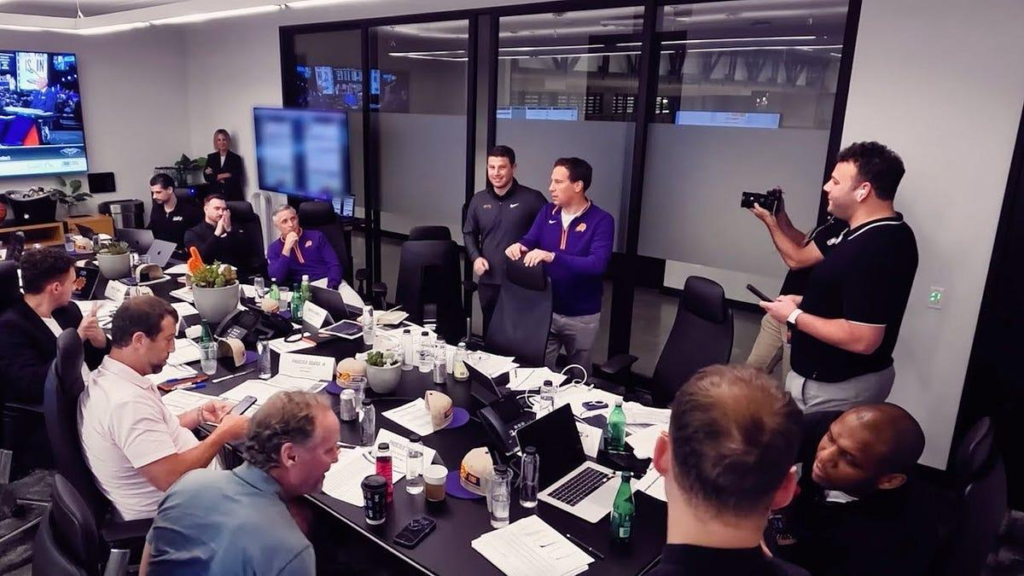
Culture can be difficult to measure, but it remains one of the most discussed subjects among coaches, executives, and players.
Recent NBA reporting consistently references accountability, communication, leadership, and organizational alignment.
These concepts may sound abstract, but they frequently influence performance.
Strong cultures typically demonstrate several characteristics:
- Clear expectations
- Consistent leadership
- Collaborative decision-making
- Player accountability
- Long-term organizational vision
When challenges emerge—which happens every season—organizations with strong cultures often recover more effectively.
Recent NBA news has highlighted examples of teams navigating adversity through stability rather than dramatic overreactions.
That approach can be especially important during playoff races, where emotional decision-making sometimes leads to costly mistakes.
Lessons From Teams That Accelerated Their Timelines
Another fascinating trend appearing throughout recent NBA coverage involves teams outperforming expectations earlier than anticipated.
Historically, rebuilding projects often required many years before producing meaningful results.
Today, some organizations are accelerating that timeline through smarter processes.
Common factors include:
- Strong draft evaluation
- Effective coaching hires
- Modern development systems
- Strategic veteran additions
- Organizational patience
Rather than rushing into major transactions, successful rebuilding teams often allow young cores to grow together.
This approach creates chemistry, institutional knowledge, and developmental continuity.
Recent NBA news suggests that patience remains one of the most undervalued assets in professional sports.
Organizations willing to maintain a consistent vision frequently achieve better long-term outcomes than those constantly changing direction.
How Analytics Continue to Influence Championship Aspirations
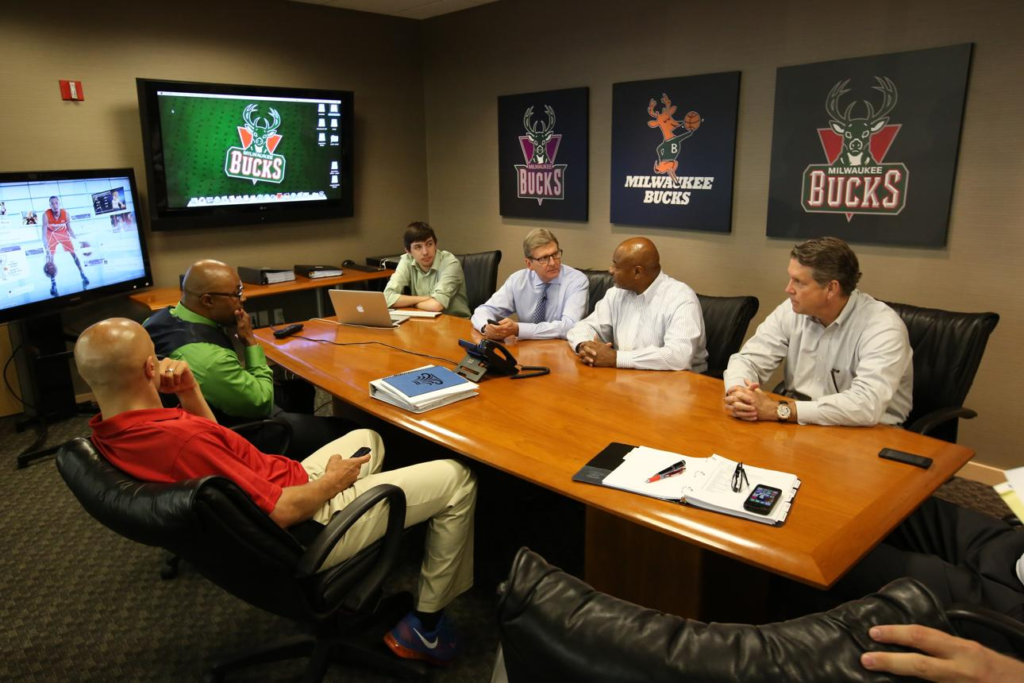
Analytics have become a permanent part of NBA decision-making.
While early analytics discussions focused heavily on shot selection, modern analytical models influence nearly every aspect of team operations.
Today’s front offices use data to evaluate:
- Lineup combinations
- Defensive effectiveness
- Injury risk
- Player workload
- Draft prospects
- Trade opportunities
- Contract value
Recent news reports often reference efficiency metrics, matchup data, and predictive models when discussing roster decisions.
Importantly, successful organizations do not rely exclusively on analytics.
The most effective teams combine data-driven insights with traditional scouting, coaching expertise, and player evaluation.
This balanced approach helps organizations make more informed decisions while avoiding overreliance on any single methodology.
What Championship Contenders Are Teaching the Rest of the League
Perhaps the most valuable lesson emerging from this stretch of NBA news is that championship teams tend to share common organizational habits.
While each contender has unique strengths, several themes appear repeatedly:
Elite Talent Remains Essential
Championship teams still require high-level star players capable of performing under playoff pressure.
Supporting Casts Matter More Than Ever
Modern contenders invest heavily in role players who can contribute on both ends of the floor.
Flexibility Creates Opportunity
Teams that preserve assets and financial flexibility can respond more effectively to changing circumstances.
Development Is a Competitive Advantage
Organizations that consistently improve players internally gain significant long-term benefits.
Stability Often Outperforms Constant Change
Frequent organizational upheaval rarely produces sustainable success.
These principles are appearing repeatedly across current NBA discussions and helping reshape league-wide strategies.
What Fans Can Learn From Following Front Office Decisions
Many fans focus primarily on game results, but recent NBA news demonstrates why front office activity deserves equal attention.
Trades, draft selections, coaching hires, contract negotiations, and developmental investments often influence future outcomes years before they become visible in the standings.
For fans interested in understanding where teams are headed, it can be useful to monitor:
- Draft capital accumulation
- Salary cap flexibility
- Coaching stability
- Developmental success stories
- Organizational philosophy
- Long-term roster planning
These indicators frequently reveal more about future championship potential than short-term winning streaks.
Understanding these factors can make following the NBA more engaging and informative.
Frequently Asked Questions
Why is team building receiving so much attention in NBA news?
Because recent league developments show that long-term success depends on roster construction, player development, financial management, and organizational stability—not just star power.
Are superteams still the best path to an NBA championship?
Elite talent remains critical, but recent trends suggest balanced rosters and organizational depth are increasingly important for sustained success.
How important is player development in today’s NBA?
Extremely important. Many successful teams gain competitive advantages by improving players internally rather than relying solely on external acquisitions.
What role does the salary cap play in championship aspirations?
The salary cap influences roster flexibility, contract decisions, trade opportunities, and long-term sustainability.
Why do some talented teams fail to meet expectations?
Talent alone may not overcome weaknesses in depth, coaching, culture, chemistry, health, or roster balance.
How do analytics influence NBA decision-making?
Teams use analytics to evaluate players, optimize lineups, manage workloads, assess contracts, and improve strategic planning.
What makes organizational culture important?
Strong cultures promote accountability, communication, resilience, and consistent decision-making throughout the organization.
Can rebuilding teams become contenders faster today?
Yes. Improved scouting, development systems, analytics, and strategic planning have helped some teams accelerate competitive timelines.
Why do role players matter so much in the playoffs?
Playoff series expose weaknesses. Teams with versatile role players can adapt to different matchups and maintain effectiveness throughout a series.
What should fans watch beyond wins and losses?
Draft assets, player development, coaching stability, salary cap flexibility, and long-term roster planning often provide valuable insight into a team’s future.
About the Author