USA Basketball remains one of the most influential forces in the sport, but the global basketball landscape has changed dramatically. International programs are producing elite talent, investing in player development, and competing successfully on the world stage. In response, USA Basketball is refining its approach through deeper talent pipelines, stronger team continuity, advanced analytics, and a renewed emphasis on international-style play.
The Global Basketball Gap Has Narrowed
For decades, the United States dominated international basketball largely through overwhelming athleticism, depth, and professional experience. While those advantages still exist, the margin between the United States and the rest of the world has become significantly smaller.
Countries across Europe, South America, Africa, Asia, and Oceania have invested heavily in basketball infrastructure. National federations now operate sophisticated development programs that identify talent at younger ages and prepare players specifically for international competition.
The results are evident. International players now hold major roles throughout professional basketball. MVP awards, championship runs, and All-Star selections increasingly feature athletes developed outside the United States.
Players such as Nikola Jokić, Giannis Antetokounmpo, Luka Dončić, and Shai Gilgeous-Alexander demonstrate how international development systems are producing elite talent capable of competing with anyone in the world.
As a result, USA Basketball no longer approaches international tournaments expecting automatic victories. Every major competition now requires detailed preparation and strategic adaptability.
Why International Basketball Has Become More Competitive
Several factors explain why the global game has evolved so rapidly.
Expanded Development Systems
Many countries have built structured pathways that mirror elite soccer academies. Young athletes receive technical training, strength development, tactical education, and competitive opportunities from an early age.
This development model often emphasizes:
- Ball handling fundamentals
- Passing and decision-making
- Team-oriented offense
- Defensive positioning
- Basketball IQ
Players arrive at the professional level with highly refined skill sets.
Increased Access to Professional Competition
Young international players often gain professional experience earlier than many American prospects.
Competing against experienced adults at ages 16, 17, or 18 accelerates development and prepares athletes for high-pressure situations.
Global Information Sharing
Coaches around the world now have access to advanced analytics, digital scouting platforms, and training methodologies that were once concentrated in a few regions.
The result is a more educated global coaching community and more sophisticated basketball systems worldwide.
How USA Basketball Is Responding
Rather than relying solely on talent advantages, USA Basketball has adjusted its approach in several important ways.
Greater Emphasis on Team Continuity
One challenge for American teams has been limited preparation time.
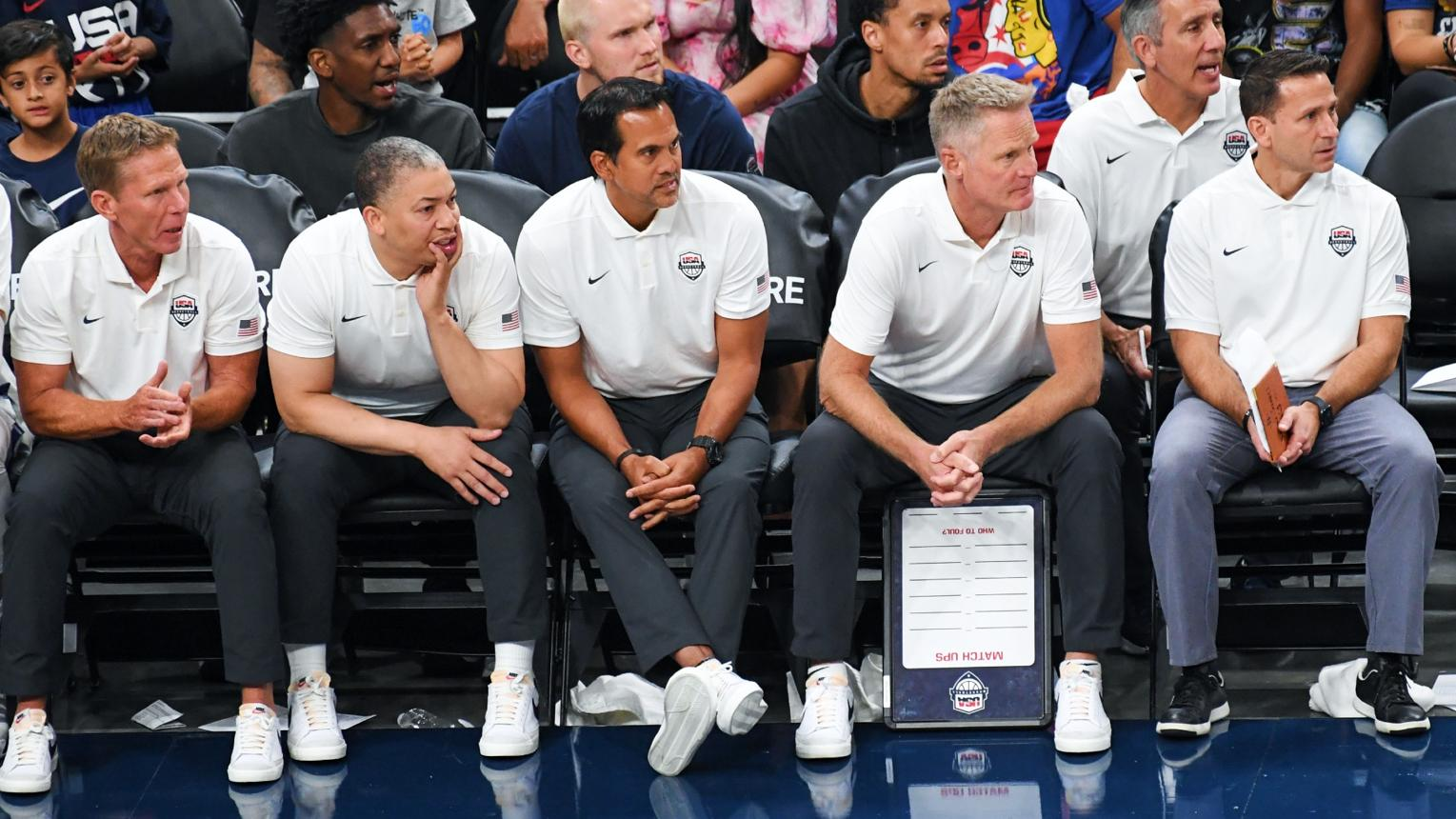
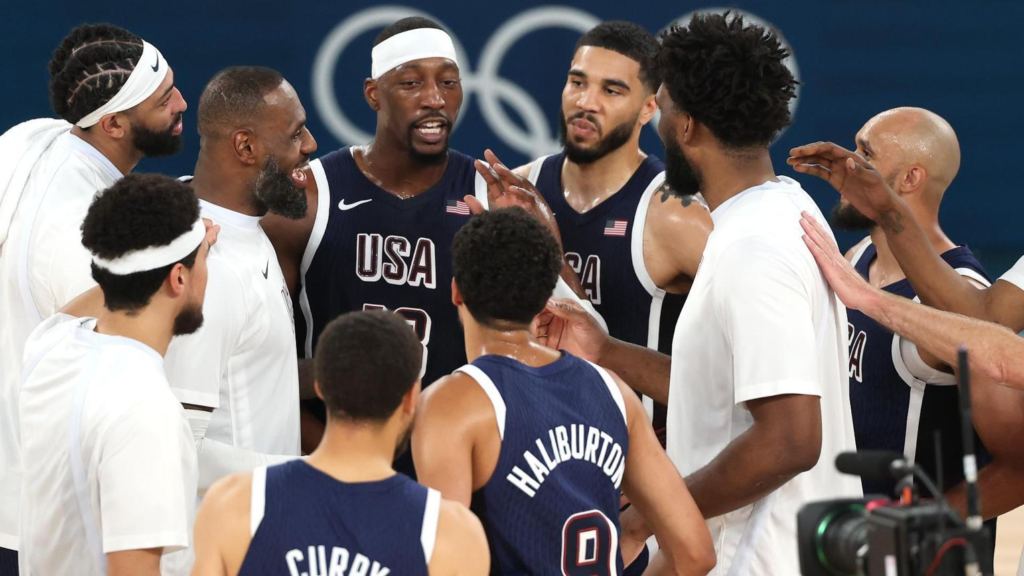
Many international teams play together for years, creating chemistry that cannot be replicated quickly. Players understand systems, tendencies, and roles long before major tournaments begin.
USA Basketball has increasingly recognized the value of continuity by:
- Building longer-term player relationships
- Maintaining coaching consistency
- Encouraging participation in multiple international events
- Creating stronger development pathways through youth programs
The objective is simple: reduce the experience gap that often benefits international opponents.
Stronger Youth Development Programs
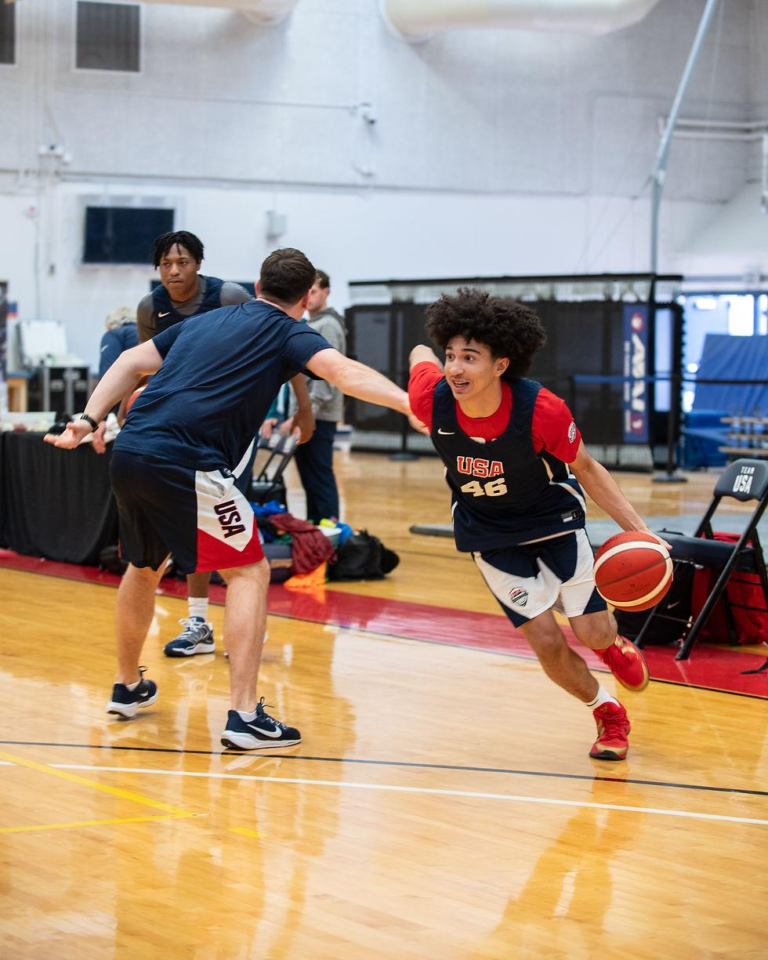
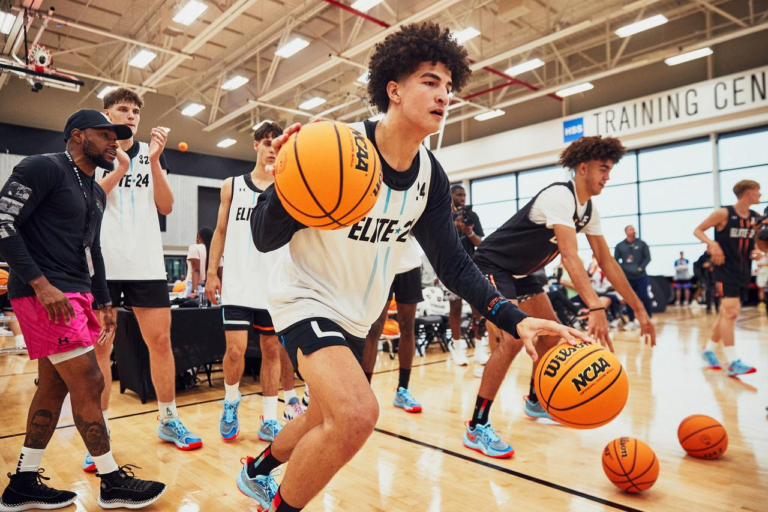
USA Basketball invests heavily in identifying and developing future national team players.
Programs at the junior and youth levels expose athletes to international rules, styles, and competition long before they reach senior teams.
These experiences help players understand differences such as:
- FIBA court spacing
- International officiating
- Zone defense variations
- Tournament-style scheduling
- Physical international play
Early exposure reduces adjustment periods later in a player’s career.
The Growing Importance of Basketball IQ
One of the most significant shifts in modern basketball involves decision-making.
Elite athleticism remains valuable, but international competition often rewards teams that execute efficiently under pressure.
USA Basketball increasingly prioritizes players who can:
- Read defenses quickly
- Make accurate passing decisions
- Adapt to changing game situations
- Execute complex defensive rotations
- Maintain composure in close contests
Modern international games are frequently decided by a handful of possessions. Small tactical advantages often matter more than highlight-reel plays.
What Fans Often Overlook
Many fans focus primarily on scoring.
However, international success often depends on less visible contributions:
- Defensive communication
- Rebounding discipline
- Ball security
- Transition defense
- Shot selection
These fundamentals become especially important against well-organized opponents.
The Impact of Analytics and Technology
Advanced analytics have transformed basketball globally.
USA Basketball now utilizes extensive data analysis when preparing for major tournaments.
Teams evaluate:
- Lineup efficiency
- Defensive matchups
- Shot quality metrics
- Transition opportunities
- Opponent tendencies
Video technology has become equally important.
Coaches can study hundreds of possessions to identify patterns and weaknesses. Opponents receive the same information, creating an environment where preparation is more sophisticated than ever before.
Practical Example
A decade ago, scouting might have focused heavily on star players.
Today, analysts examine entire systems.
Questions often include:
- Which lineups generate the highest efficiency?
- Where do opponents create their best shots?
- How frequently do they attack in transition?
- Which defensive coverages cause the most problems?
These details can influence game outcomes at the highest levels.
The Rise of Positionless Basketball
Another adaptation involves roster construction.
Traditional basketball often assigned rigid positions. Modern international competition increasingly rewards versatility.
USA Basketball values players who can:
- Defend multiple positions
- Handle the ball
- Pass effectively
- Shoot from distance
- Switch defensive assignments
This flexibility creates strategic advantages against diverse international opponents.
Versatile rosters also help coaches adjust to different styles of play throughout a tournament.
One game may require perimeter defense against elite shooters. Another may demand physical interior play against dominant big men.
Adaptability has become a competitive necessity.
How International Rules Influence Strategy
One reason international tournaments can produce unexpected results is that FIBA basketball differs from domestic professional play.
Key differences include:
- Shorter game length
- Different officiating standards
- Distinct goaltending rules
- Smaller court dimensions
- Tournament-style scheduling
These differences can affect pacing, shot selection, and roster utilization.
USA Basketball now spends more time preparing players for these unique conditions.
The goal is to eliminate surprises and maximize comfort in international environments.

Building a Sustainable Talent Pipeline
Talent remains America’s greatest strength.
However, maintaining that advantage requires long-term planning.
USA Basketball focuses on creating pathways that connect youth, junior, collegiate, and senior levels.
This system helps ensure that future national teams have access to players who understand both American basketball culture and international competition.
Important pipeline elements include:
- Regional identification camps
- Youth national teams
- Development academies
- International exhibition opportunities
- Coaching education programs
Sustainable success depends on preparing future generations rather than relying solely on current stars.
What This Means for the Future of American Basketball
The evolution of global basketball is ultimately positive for the sport.
Higher levels of competition create better games, stronger player development, and greater international interest.
For USA Basketball, the challenge is no longer simply assembling talent. The challenge is integrating talent into a cohesive, adaptable, and strategically prepared team.
Future success will likely depend on balancing several priorities:
- Elite athleticism
- Team chemistry
- International experience
- Tactical flexibility
- Data-driven preparation
The countries that combine these elements most effectively will continue to compete for major international titles.
Questions Americans Are Asking About USA Basketball
Is USA Basketball still the best basketball program in the world?
USA Basketball remains among the strongest basketball programs globally because of its talent depth, resources, and development systems. However, the competitive gap has narrowed significantly as international programs have improved.
Why are international teams performing better today?
Improved youth development, professional training environments, advanced coaching, and increased investment have helped many countries produce elite players and stronger national teams.
Does international basketball use different rules?
Yes. FIBA rules differ from domestic professional leagues in areas such as officiating, goaltending, game length, and court dimensions.
Why does team chemistry matter so much internationally?
International tournaments are short and highly competitive. Teams that have played together for years often execute more efficiently than teams assembled shortly before competition.
Are international players changing the NBA?
International players have become some of the league’s most influential stars, contributing significantly to modern playing styles and strategic innovation.

Frequently Asked Questions
1. What is USA Basketball?
USA Basketball is the national governing body responsible for selecting and developing American national basketball teams for international competition.
2. Why has international basketball become more competitive?
Global investment in player development, coaching, and professional leagues has dramatically improved talent worldwide.
3. What is the biggest challenge facing USA Basketball today?
Maintaining team continuity and adapting to evolving international styles of play are among the biggest challenges.
4. How does USA Basketball identify future players?
Through youth camps, scouting programs, development initiatives, and national team pathways.
5. What role does analytics play in international basketball?
Analytics help teams evaluate performance, scout opponents, optimize lineups, and improve decision-making.
6. Why are European basketball systems often praised?
Many European programs emphasize fundamentals, teamwork, and tactical understanding from an early age.
7. Do international players develop differently than American players?
In many cases, yes. International prospects often gain professional experience at younger ages and train within club-based systems.
8. How important is coaching in international tournaments?
Coaching is critical because tournament games are often decided by tactical adjustments and preparation.
9. Can the United States continue to lead global basketball?
Yes, but continued success will depend on adaptation, development, and strategic preparation rather than talent alone.
10. What trend is likely to shape the future of USA Basketball?
The continued emphasis on versatility, international experience, and positionless basketball will likely remain major priorities.
About the Author