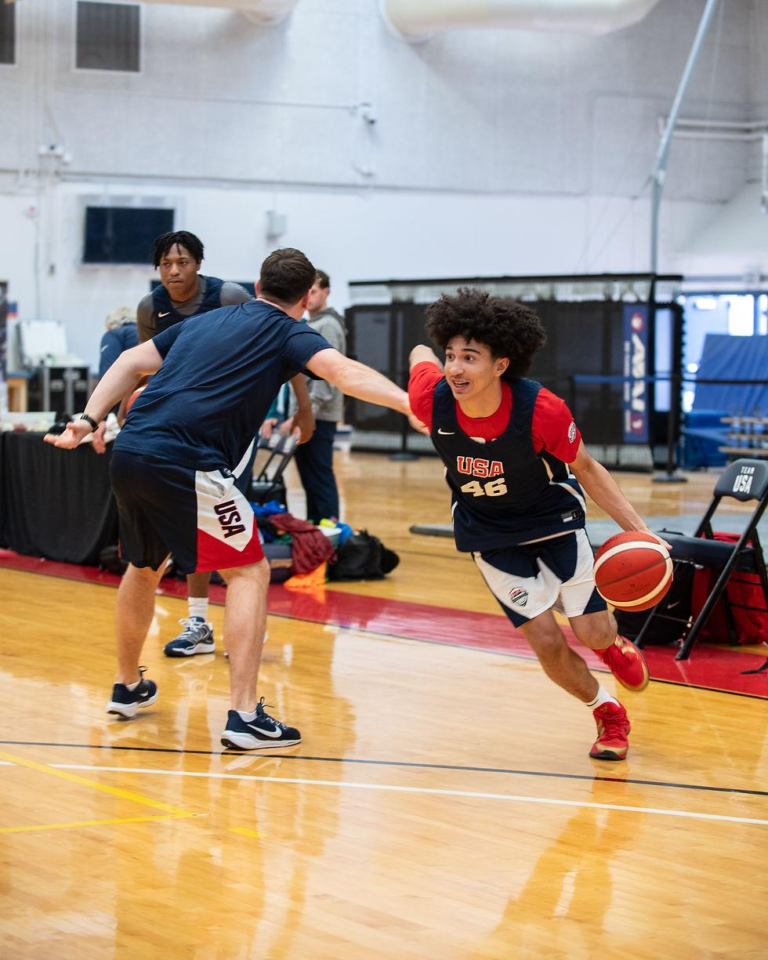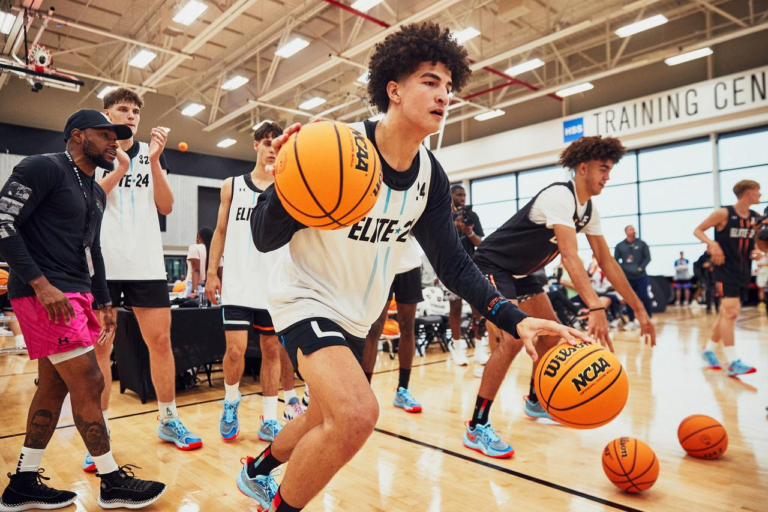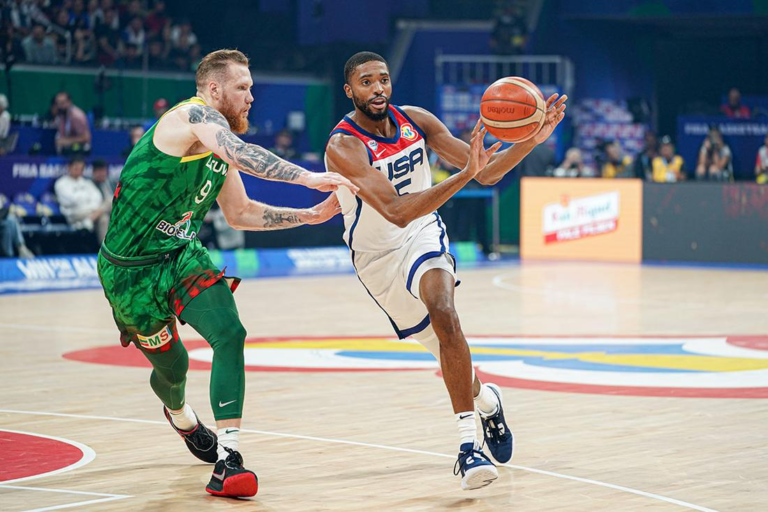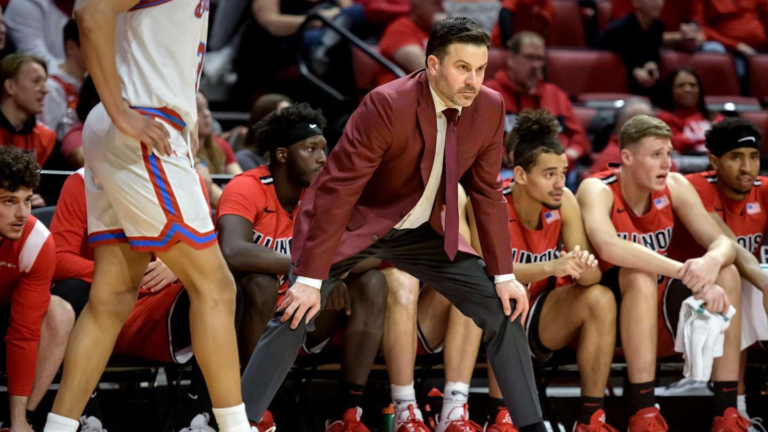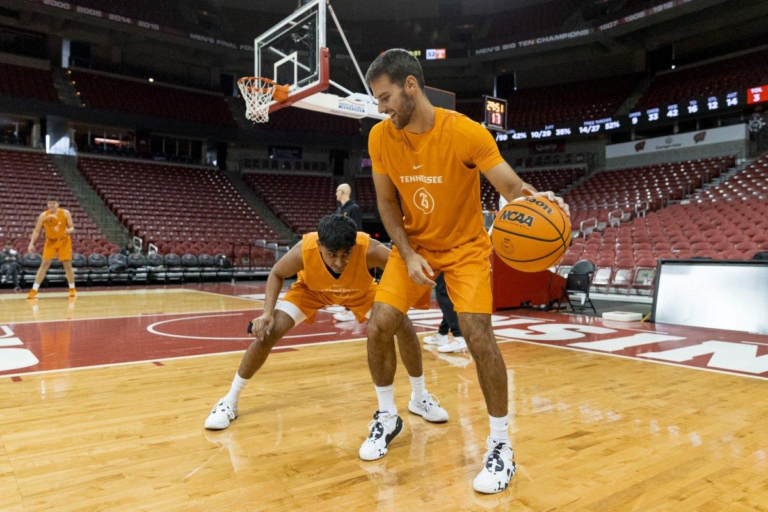
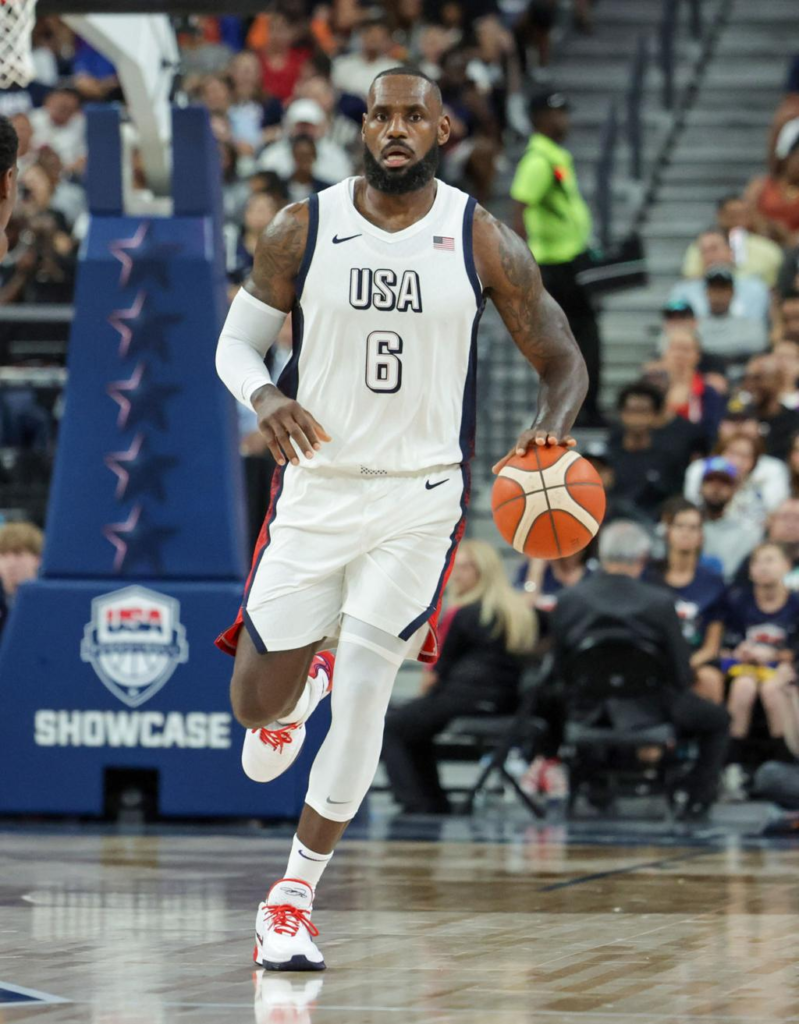
USA Basketball is evolving in response to changing player development pathways, global competition, technological innovation, and shifting priorities around athlete wellness. From grassroots programs and elite training academies to college basketball and professional leagues, success increasingly depends on adaptability, skill development, data-driven decision-making, and long-term athlete growth. Understanding these changes provides valuable insight into where American basketball is headed next.
The Evolution of Basketball in the United States
Basketball remains one of America’s most influential sports, reaching millions of participants across youth leagues, high schools, colleges, and professional organizations. Yet the environment surrounding the game has changed dramatically over the past decade.
The traditional pathway—youth basketball, high school competition, college basketball, and eventually professional opportunities—still exists. However, today’s players have more development options than ever before. Elite academies, specialized training programs, international competitions, and alternative professional routes have expanded opportunities while increasing competition.
At the same time, the global basketball landscape has become significantly stronger. International teams consistently challenge American dominance in major tournaments, forcing USA Basketball and affiliated programs to reassess how they identify, develop, and support talent.
The result is a basketball ecosystem focused not only on winning games but also on building sustainable player development systems capable of producing long-term success.
Why Global Competition Is Changing the Conversation
For decades, the United States was viewed as the undisputed leader in basketball talent. While American players continue to populate the world’s best leagues, international basketball has experienced tremendous growth.
Countries across Europe, South America, Africa, and Asia have invested heavily in coaching education, youth development systems, and professional infrastructure. Players from around the world now regularly become stars at the highest levels of the game.
This international progress has influenced American basketball in several important ways:
- Greater emphasis on skill development at younger ages
- Increased focus on basketball IQ and decision-making
- More attention to team-oriented systems
- Expanded scouting efforts
- Greater investment in coaching education
American programs increasingly recognize that athleticism alone is no longer enough. Technical skills, adaptability, and game understanding have become equally important factors in player success.
The Rise of Positionless Basketball
One of the most significant changes shaping modern basketball is the move toward positionless play.
Historically, players were assigned specific roles based primarily on size. Guards handled the ball, forwards scored and rebounded, and centers protected the basket. Today’s game demands greater versatility.
Modern players are expected to:
- Pass effectively
- Defend multiple positions
- Shoot from long range
- Make quick decisions
- Handle the ball under pressure
As a result, youth programs increasingly teach complete skill sets rather than limiting players to traditional positions.
A tall teenager may spend time learning guard skills. Smaller players are encouraged to improve rebounding and defensive versatility. This broader development approach helps athletes adapt as the game continues to evolve.
Many coaches believe this trend better prepares players for both college and professional opportunities.
Youth Basketball’s Expanding Influence
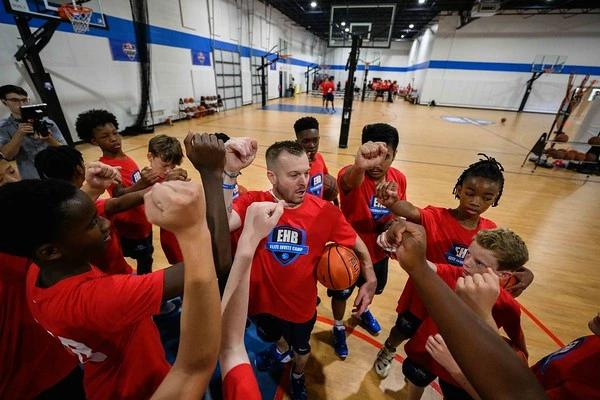
Youth basketball has become one of the most important components of the American basketball system.
Participation begins earlier than ever, with many athletes entering organized programs during elementary school. Club teams, travel circuits, camps, and tournaments provide extensive opportunities for competition and exposure.
While these opportunities can accelerate development, they also create challenges.
Parents, coaches, and administrators increasingly discuss topics such as:
- Early specialization
- Player burnout
- Injury prevention
- Mental health
- Balanced athletic development
Experts frequently recommend that young athletes maintain diverse physical activities rather than focusing exclusively on basketball from an early age.
Many successful players have backgrounds in multiple sports, which can improve coordination, athleticism, and long-term physical development.
The most effective youth programs increasingly prioritize learning, enjoyment, and gradual progression rather than simply chasing short-term tournament success.
The Growing Role of Data and Analytics
Analytics have transformed nearly every level of basketball.
Professional organizations have used advanced statistics for years, but data-driven decision-making is now becoming common throughout high school, collegiate, and youth basketball environments.
Coaches utilize analytics to evaluate:
- Shot selection
- Defensive efficiency
- Player workload
- Lineup performance
- Opponent tendencies
Technology has also made performance analysis more accessible. Video breakdown tools, wearable tracking devices, and skill-monitoring platforms provide valuable information for coaches and athletes.
Importantly, analytics are not replacing traditional coaching expertise. Instead, they serve as an additional tool that helps coaches make more informed decisions.
The most successful programs typically combine statistical analysis with experience, observation, and player feedback.
Athlete Wellness Is Becoming a Priority
One of the most important developments in American basketball involves a broader understanding of athlete wellness.
Success is no longer measured solely by performance on the court. Organizations increasingly recognize that physical health, mental health, recovery, nutrition, and overall well-being directly affect long-term development.
Modern basketball programs often incorporate:
- Sports psychology resources
- Recovery protocols
- Sleep education
- Nutrition guidance
- Injury-prevention strategies
This shift reflects growing awareness that sustainable performance requires more than intense training.
Athletes who understand recovery, stress management, and healthy habits are often better equipped to maintain consistent performance over long careers.
Many collegiate and professional programs now dedicate significant resources to holistic athlete development.
College Basketball’s New Era
College basketball remains a critical part of the American basketball landscape, but recent changes have transformed the experience for athletes.
Transfer opportunities have increased player mobility, while Name, Image, and Likeness (NIL) policies have created new financial opportunities.
These developments have produced both benefits and challenges.
Positive outcomes include:
- Increased player empowerment
- Expanded earning opportunities
- Greater flexibility in career decisions
- More competitive recruiting environments
Challenges include:
- Roster instability
- Increased recruiting complexity
- Greater pressure on athletes
- More frequent team turnover
Programs now must balance player development, competitive success, and relationship management in ways that were less common just a few years ago.
For aspiring players, understanding these dynamics has become an important part of navigating the modern basketball journey.
Technology’s Impact on Training
Training methods have become more sophisticated thanks to advances in technology.
Athletes now have access to tools that were once available only to elite professional organizations.
Examples include:
- Motion-tracking systems
- Shooting analytics platforms
- Virtual film study tools
- Wearable performance monitors
- AI-assisted training analysis
Technology allows coaches to identify strengths and weaknesses with greater precision.
For example, shooting systems can track release angles, shot consistency, and accuracy trends. Performance monitoring tools help manage workloads and reduce injury risks.
However, experienced coaches emphasize that technology works best when paired with strong fundamentals, effective instruction, and consistent practice habits.
No technology can replace dedication, discipline, and quality coaching.
Building Better Coaches
Player development often receives most of the attention, but coaching development has become equally important.
Organizations across the country are investing more heavily in coaching education.
Modern coaches must understand:
- Skill development methodologies
- Sports science
- Leadership principles
- Mental health awareness
- Communication strategies
- Analytics interpretation
The ability to teach effectively has become as valuable as tactical expertise.
Strong coaches help athletes improve technically while also supporting confidence, resilience, and personal growth.
As basketball becomes increasingly complex, coaching quality may be one of the most important competitive advantages available to programs at every level.
Diversity of Development Pathways
Today’s athletes have more options than previous generations.
A player may pursue success through:
- Traditional high school programs
- Basketball academies
- Prep schools
- International competition
- Development leagues
- College basketball
- Alternative professional opportunities
This variety allows athletes to find environments that match their goals and circumstances.
At the same time, the abundance of options requires careful decision-making.
Families increasingly seek guidance regarding:
- Program quality
- Academic support
- Coaching reputation
- Long-term development value
- Competitive level
The best choice often depends on individual needs rather than a single universal pathway.
What Success Looks Like Today
The definition of success in American basketball has expanded.
Winning remains important, but organizations increasingly evaluate broader outcomes.
Successful programs often emphasize:
- Skill development
- Academic achievement
- Character growth
- Leadership development
- Injury prevention
- Long-term athletic sustainability
This broader perspective reflects a growing understanding that basketball serves as both a competitive activity and a platform for personal development.
Programs capable of balancing performance and development are often best positioned for sustained success.
Frequently Asked Questions
1. Why is USA Basketball facing stronger international competition?
Many countries have invested heavily in youth development systems, coaching education, and professional leagues, producing highly skilled players who can compete with American talent.
2. What is positionless basketball?
Positionless basketball emphasizes versatility, allowing players to perform multiple roles regardless of traditional positional classifications.
3. How important are analytics in modern basketball?
Analytics play a significant role in evaluating performance, improving strategy, managing workloads, and supporting decision-making at all levels.
4. What challenges exist in youth basketball today?
Common concerns include burnout, overtraining, early specialization, injury risk, and balancing competition with long-term development.
5. How has NIL changed college basketball?
NIL opportunities allow athletes to earn income from their personal brands, creating new financial opportunities while also changing recruiting and roster management.
6. What role does technology play in player development?
Technology helps analyze performance, monitor workloads, improve skill training, and provide detailed feedback for athletes and coaches.
7. Why is athlete wellness receiving more attention?
Research increasingly shows that physical health, mental health, recovery, and nutrition significantly influence performance and longevity.
8. Are multiple sports beneficial for young basketball players?
Many experts believe multi-sport participation supports athletic development, reduces burnout, and improves overall movement skills.
9. What qualities are most valued in modern basketball players?
Versatility, decision-making, shooting ability, defensive adaptability, leadership, and basketball IQ are highly valued.
10. What is the biggest priority for the future of USA Basketball?
Developing well-rounded athletes and coaches while adapting to global competition remains a major priority.
About the Author