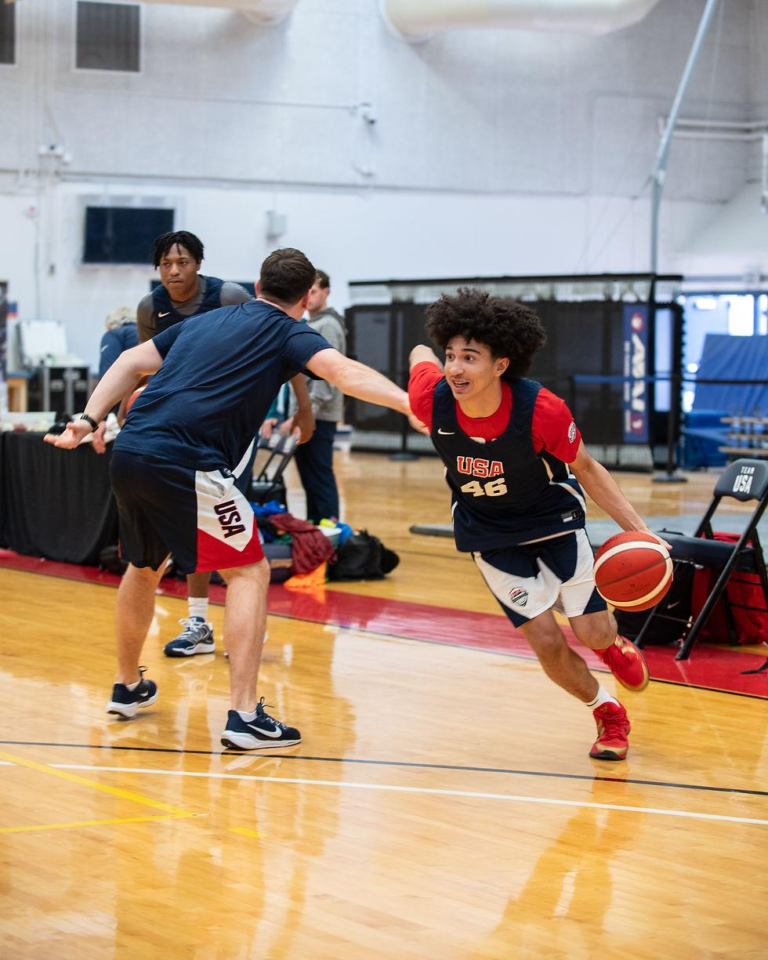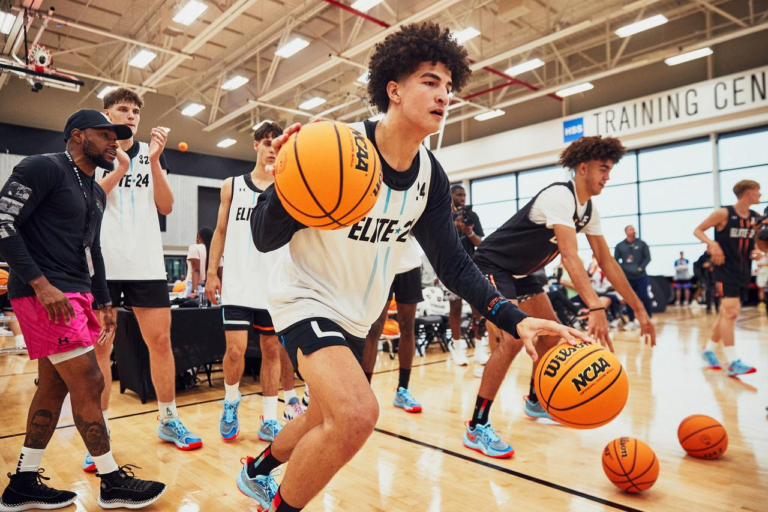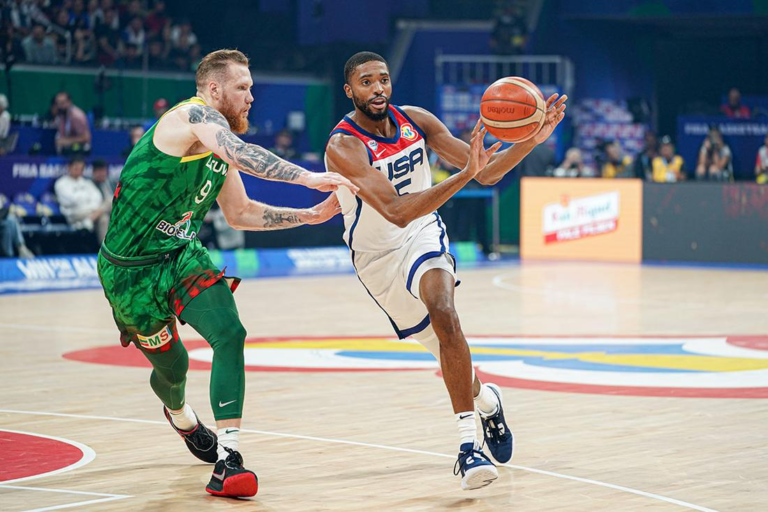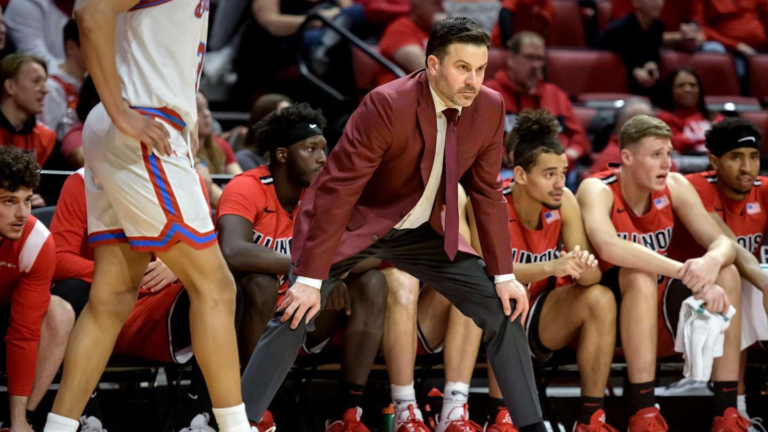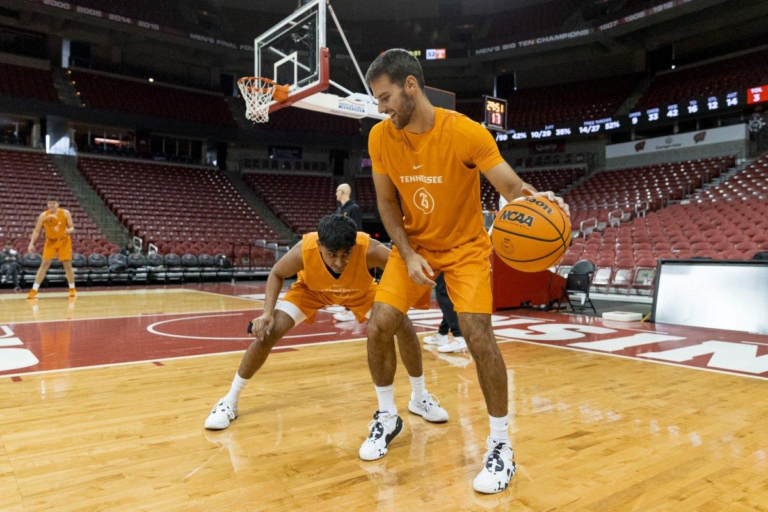

USA Basketball is experiencing significant changes driven by technology, player development innovation, international competition, and evolving participation trends. From youth leagues to professional basketball, new approaches to training, analytics, health management, and talent identification are reshaping the game. Understanding these developments offers valuable insight into how American basketball may evolve in the coming decade and what players, coaches, parents, and fans can expect.
Introduction
Basketball remains one of the most popular sports in the United States. Millions of children participate in youth leagues, high school basketball continues to serve as a major talent pipeline, college programs attract national attention, and professional leagues maintain a global audience.
Yet the game is changing rapidly.
Recent trends reveal a sport that is becoming more data-driven, more globally competitive, and increasingly focused on long-term athlete development. While the fundamentals of skill, teamwork, and competition remain unchanged, the methods used to identify talent, train athletes, and prepare teams have evolved significantly.
For anyone involved in basketball—from parents of young players to coaches, administrators, and dedicated fans—understanding these trends provides valuable insight into where the game is headed.
The Rise of Positionless Basketball
One of the most significant developments across all levels of basketball is the continued move toward positionless play.
Traditionally, players were assigned specific roles based largely on height and physical characteristics. Guards handled the ball, forwards scored inside and outside, and centers primarily operated near the basket.
Today’s game looks very different.
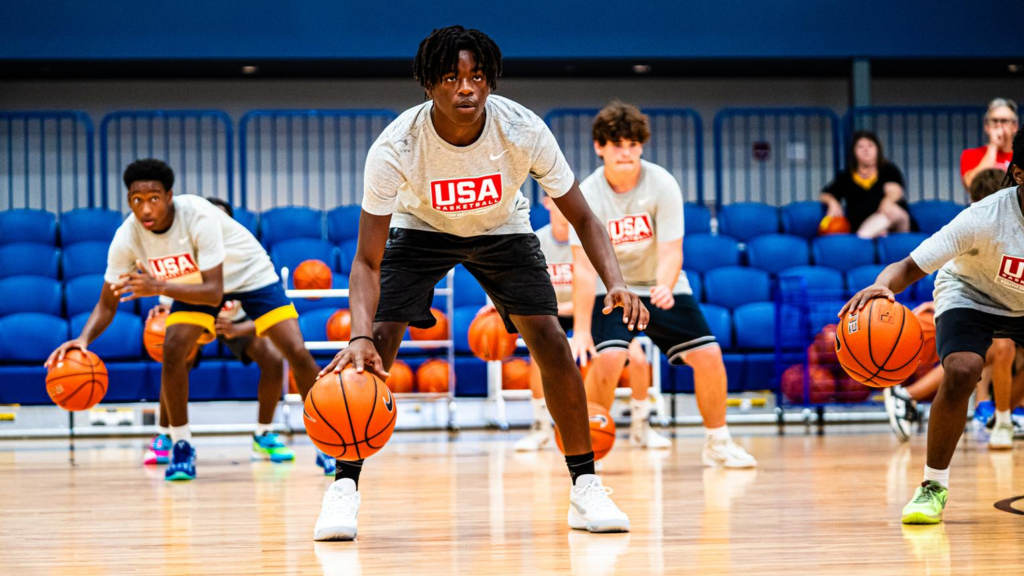
Young players are increasingly encouraged to develop a complete skill set regardless of size. Tall players are learning ball-handling and perimeter shooting. Smaller players are developing post skills and defensive versatility.
This shift is visible throughout American basketball:
- Youth programs emphasize all-around skill development.
- High school coaches seek versatile lineups.
- College programs recruit multi-dimensional athletes.
- Professional teams value flexibility over specialization.
The influence of modern stars has accelerated this trend. Players who can defend multiple positions, create offense, and shoot from distance provide coaches with greater strategic options.
As a result, future players are likely to be more complete athletes than previous generations.
Why Skill Development Is Starting Earlier
Many parents ask an important question:
At what age should basketball development begin?
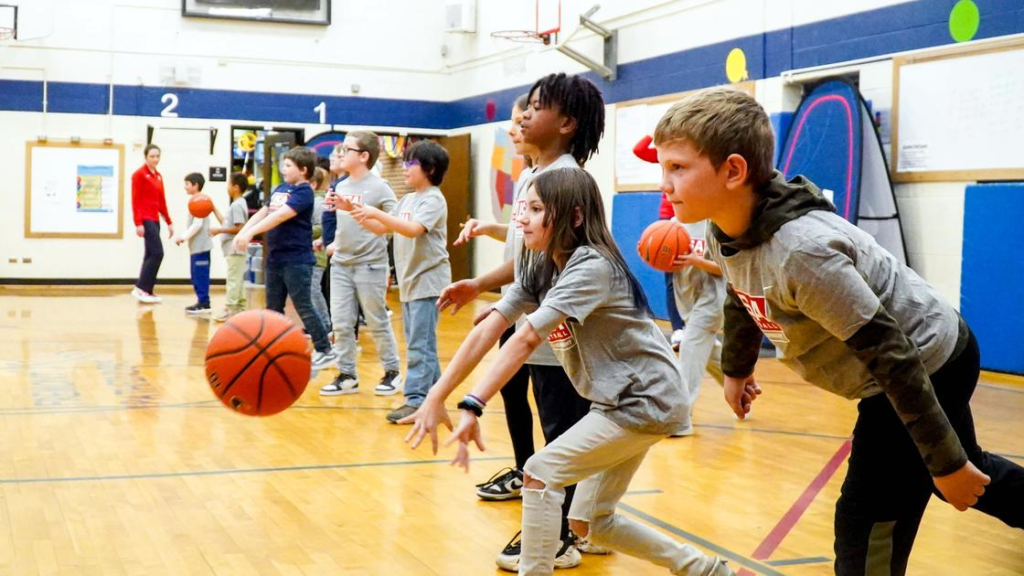
Recent trends suggest that structured skill development is starting earlier than ever before.
Young athletes now have access to:
- Specialized training academies
- Skill-development camps
- Private coaching
- Online instructional content
- Video-based feedback systems
This increased access has created a more informed generation of players.
However, leading coaches increasingly stress balance.
Research in youth sports continues to support the benefits of multi-sport participation during childhood. Many successful basketball players developed athletic skills through soccer, baseball, football, volleyball, track, and other sports before focusing primarily on basketball.
The emerging consensus is clear:
Early skill development can be beneficial, but excessive specialization may increase burnout and overuse injuries.
The future of youth basketball will likely involve a combination of structured training and broader athletic development.
Technology Is Changing How Players Improve
Technology now influences nearly every stage of basketball development.
What once required hours of subjective observation can now be measured with precision.
Modern training tools include:
- Shot-tracking systems
- Wearable performance monitors
- Motion-analysis software
- Video breakdown platforms
- AI-assisted scouting tools
- Biometric recovery monitoring
At the professional and collegiate levels, data collection has become routine.
But perhaps the most interesting trend is how these technologies are reaching younger athletes.
A high school player can now review shooting mechanics using tools that would have been available only to professional organizations a decade ago.
Coaches increasingly use video analysis to teach:
- Defensive positioning
- Footwork
- Decision-making
- Shot selection
- Transition play
Technology is unlikely to replace coaching expertise. Instead, it is becoming a powerful supplement that helps athletes learn more efficiently.
International Competition Is Raising the Standard
For decades, the United States enjoyed overwhelming dominance in international basketball.
That advantage has narrowed.
Countries around the world have invested heavily in player development systems, coaching education, and national basketball infrastructure.
International stars now play major roles throughout professional basketball, demonstrating the effectiveness of global development pathways.
This growing competitiveness benefits American basketball in several ways:
- It creates stronger international tournaments.
- It encourages innovation.
- It forces continuous improvement.
- It exposes players to different playing styles.
Modern USA Basketball programs increasingly emphasize adaptability rather than relying solely on athletic superiority.
Future American teams will likely continue focusing on:
- Team chemistry
- Basketball IQ
- Tactical flexibility
- International experience
The era of assuming victory based on talent alone has largely disappeared.
Analytics Continue to Influence Every Level of the Game
Analytics have fundamentally changed basketball strategy.
At the professional level, teams increasingly evaluate:
- Shot efficiency
- Possession value
- Spacing metrics
- Defensive impact
- Lineup effectiveness
These concepts have gradually filtered down to college, high school, and even youth basketball.
One visible result is the increased emphasis on:
- Three-point shooting
- Rim attacks
- Efficient shot selection
Coaches now have access to information that helps identify strengths and weaknesses more accurately than traditional observation alone.
However, many experienced coaches caution against overreliance on numbers.
Basketball remains a game influenced by:
- Leadership
- Confidence
- Communication
- Effort
- Team culture
The most successful programs tend to combine analytics with strong coaching judgment.
That balance will likely define future success.
Player Health and Load Management Are Becoming Priorities
Another major trend involves athlete health.
Basketball schedules can be demanding, particularly for elite players participating in:
- School teams
- Travel programs
- Showcase events
- Camps
- Offseason leagues
As awareness of injury prevention grows, organizations are placing greater emphasis on long-term health.
Areas receiving increased attention include:
- Sleep quality
- Recovery protocols
- Nutrition
- Strength training
- Mobility work
- Mental wellness
Load management, once associated primarily with professional athletes, is increasingly discussed at lower levels.
The goal is not reducing competition.
The goal is ensuring athletes can perform consistently while minimizing unnecessary injury risk.
Future basketball development models will likely focus more heavily on sustainability rather than simply maximizing playing time.
The Growing Importance of Women’s Basketball
One of the most encouraging trends in American basketball is the continued growth of the women’s game.
Participation, media coverage, attendance, and fan engagement have all increased significantly in recent years.
Several factors contribute to this momentum:
- Increased visibility of elite players
- Expanded television coverage
- Strong collegiate competition
- Greater investment in professional opportunities
- Enhanced youth development programs
Young athletes now have more role models and career pathways than ever before.
The future of USA Basketball is not limited to men’s competition.
Women’s basketball is becoming an increasingly important driver of growth, innovation, and fan engagement across the sport.
How Grassroots Basketball Is Evolving
Grassroots basketball remains the foundation of American player development.
However, the structure of grassroots competition continues to change.
Travel basketball programs have become a major component of player exposure and development.
Benefits include:
- Access to higher-level competition
- Increased scouting opportunities
- Exposure to diverse playing styles
At the same time, many experts are advocating for a balanced approach.
Questions frequently raised include:
- Are athletes playing too many games?
- Is skill development receiving enough attention?
- Are families facing excessive costs?
As these conversations continue, many organizations are exploring models that prioritize:
- Practice quality
- Player development
- Affordable participation
- Long-term growth
The next generation of grassroots basketball may place greater emphasis on development over volume.
What College Basketball Recruiting Looks Like Today
Recruiting has changed dramatically over the past decade.
Digital tools now allow coaches to evaluate prospects from anywhere in the country.
Video platforms, social media, and online databases have expanded visibility for athletes who might previously have been overlooked.
Today’s recruits often need to demonstrate:
- Skill versatility
- Basketball IQ
- Coachability
- Academic readiness
- Character and leadership
Athletic ability remains important, but recruiters increasingly seek complete players who fit team culture.
For young athletes and parents, this trend reinforces the value of developing well-rounded skills rather than focusing exclusively on highlight plays.
The Future Role of Artificial Intelligence in Basketball
Artificial intelligence is emerging as another important factor in basketball development.
Although still in relatively early stages, AI applications are expanding.
Potential uses include:
- Automated scouting reports
- Opponent analysis
- Training recommendations
- Injury-risk monitoring
- Performance forecasting
At youth and amateur levels, AI-powered platforms may eventually provide personalized development plans based on individual strengths and weaknesses.
Human coaches will remain essential.
However, AI is likely to become an increasingly valuable tool that supports decision-making across every level of the sport.

Questions Americans Are Asking About the Future of Basketball
Will basketball continue growing in popularity in the United States?
Current participation rates, media interest, and youth involvement suggest basketball will remain one of America’s most influential sports.
Are analytics making basketball too dependent on three-point shooting?
Analytics have increased emphasis on efficient scoring, but successful teams still require balanced offensive approaches and strong defense.
Is youth basketball becoming too specialized?
Many experts believe athletes benefit from developing multiple athletic skills and avoiding excessive specialization at very young ages.
Will international teams eventually surpass the United States?
International competition is stronger than ever, but the United States continues to possess one of the world’s deepest talent pools.
How important is technology for young players?
Technology can accelerate learning when used appropriately, but fundamental coaching and consistent practice remain essential.
Where the Next Generation of American Basketball May Be Headed
The future of USA Basketball will likely be shaped by a combination of innovation and tradition.
Technology, analytics, and global competition are creating new opportunities for growth. At the same time, the sport’s core principles remain unchanged.
Players still need discipline.
Teams still need chemistry.
Coaches still need leadership.
Programs still succeed through preparation and culture.
The most successful organizations in the coming years will be those that embrace modern tools while preserving the fundamentals that have always defined winning basketball.
As participation expands and development systems continue evolving, American basketball appears positioned for a future that is more competitive, more informed, and more globally connected than ever before.
About the Author