The USA basketball development system has transformed significantly over the past two decades. While traditional high school and college programs remain important, players now progress through a broader network that includes elite youth academies, grassroots circuits, international competition, specialized training, and professional pathways. Understanding how this evolving pipeline works helps athletes, parents, coaches, and fans appreciate how America continues to develop basketball talent capable of competing at the highest levels.
The Changing Face of Basketball Development in America
For generations, the path to basketball success in the United States followed a relatively straightforward route. Young athletes played for local schools, earned recognition through high school competition, attended college, and eventually pursued professional opportunities. While that structure still exists, the modern basketball landscape looks dramatically different.
Today’s top prospects often begin organized skill development at younger ages than previous generations. Advanced training programs, specialized coaching, sports science, and nationwide exposure opportunities have reshaped how talent is identified and developed. At the same time, international basketball has become increasingly competitive, forcing American programs to adapt continuously.
The evolution of the USA basketball pipeline reflects broader changes in sports culture, technology, and globalization. Athletes now compete in an environment where performance data, video analysis, nutrition planning, and international competition are integrated into development plans much earlier than before.
As a result, basketball development has become both more sophisticated and more complex.
Why the Traditional Pipeline Is No Longer the Only Path
Historically, high school basketball served as the primary launching pad for future stars. Legendary players built their reputations through local competition before earning college scholarships.
Today, talented athletes often divide their time among multiple competitive environments, including:
- School basketball programs
- Amateur Athletic Union (AAU) teams
- Elite camps and showcases
- USA Basketball development events
- International tournaments
- Specialized training academies
This broader ecosystem creates more opportunities for exposure while also increasing competition.
College recruiters, professional scouts, and national team evaluators no longer rely exclusively on high school performance. They frequently assess players through national tournaments, elite camps, and year-round competition against top talent from across the country.
For many athletes, this means development is no longer limited to a three-month school season.
How AAU Basketball Reshaped Talent Development
Perhaps no development has influenced the modern pipeline more than the rise of AAU basketball.
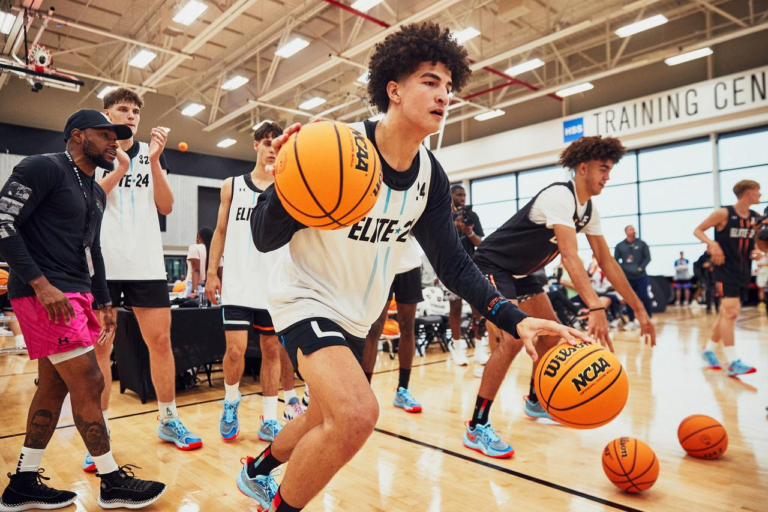
AAU programs provide athletes with opportunities to compete against elite competition regardless of geographic location. During major tournaments, hundreds of college coaches may evaluate prospects in a single venue.
Supporters point to several benefits:
- Increased exposure opportunities
- Competition against top-ranked players
- Access to experienced coaches
- National recruiting visibility
- Opportunities to travel and gain experience
Critics, however, argue that excessive tournament schedules can emphasize winning and exposure over long-term skill development.
Many successful programs now seek a balance between competitive exposure and deliberate player development. Coaches increasingly recognize that sustainable improvement requires focused practice, skill repetition, and physical preparation—not simply playing more games.
The most effective development systems combine both elements.
The Growing Role of USA Basketball Development Programs
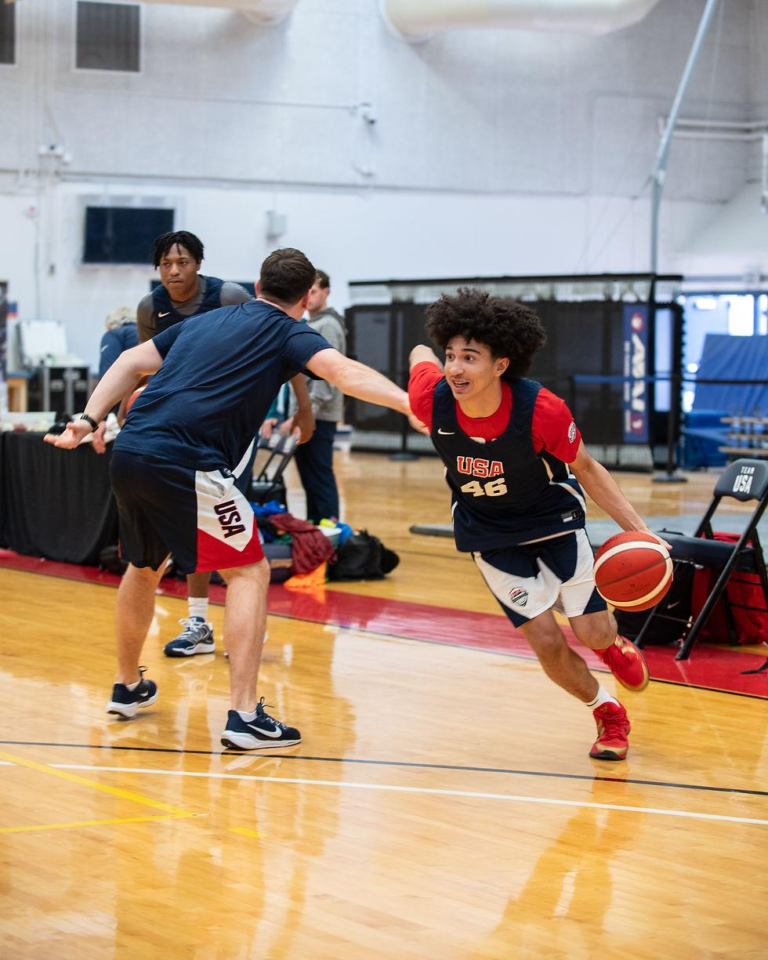
The national governing body, USA Basketball, has expanded its influence on player development through structured training initiatives.
Youth national team programs expose athletes to international rules, playing styles, and competition standards well before they reach professional levels.
These programs emphasize:
- Team-oriented basketball
- Defensive fundamentals
- International competition experience
- Leadership development
- High-performance habits
Participation in USA Basketball minicamps and junior national teams often provides athletes with valuable learning experiences that extend beyond individual skill development.
Many NBA players have credited youth national team experiences with helping them understand the expectations associated with elite-level basketball.
Importantly, these programs also allow coaches to evaluate how athletes perform alongside other elite players rather than simply dominating local competition.
Why International Competition Is Influencing American Basketball
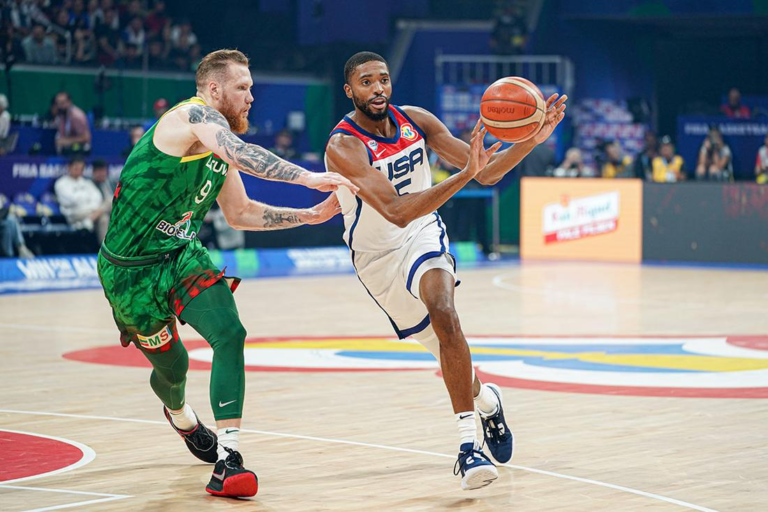
One of the biggest shifts in recent decades has been the rise of global basketball talent.
Countries across Europe, South America, Africa, and Asia have invested heavily in player development systems. International stars now routinely become league MVPs, All-Stars, and championship leaders.
This global improvement has forced American development programs to evolve.
International basketball often emphasizes:
- Ball movement
- Decision-making
- Positionless play
- Team concepts
- Technical fundamentals
As American coaches study successful international systems, many have adopted similar principles.
The result is a generation of players who are becoming more versatile and adaptable.
Young athletes are increasingly encouraged to:
- Pass effectively
- Defend multiple positions
- Read complex defenses
- Develop basketball IQ
- Expand their shooting range
These skills have become essential for success at both domestic and international levels.
The Impact of Technology on Player Development
Technology has transformed nearly every aspect of basketball training.
Years ago, players relied primarily on coach observations and game statistics. Today, advanced tools provide detailed performance insights.
Modern development programs often utilize:
- Video breakdown software
- Shot-tracking systems
- Wearable performance monitors
- Biomechanical analysis
- Data-driven training plans
For example, shooting technology can identify subtle mechanical inconsistencies that may be difficult to detect with the naked eye. Video analysis allows athletes to study positioning, decision-making, and defensive habits in remarkable detail.
Technology also helps coaches create individualized development plans.
Rather than applying identical training methods to every athlete, coaches can tailor programs to specific strengths and weaknesses.
This personalized approach has become increasingly common throughout elite basketball development systems.
The Evolution of College Basketball as a Development Stage
College basketball remains a critical component of the American pipeline, but its role has changed significantly.
Historically, many elite prospects spent three or four years developing at the collegiate level. Today, some players remain only one season before pursuing professional opportunities.
At the same time, new rules regarding athlete compensation and transfer opportunities have transformed the college landscape.
Programs now operate in an environment that includes:
- Name, Image, and Likeness (NIL) opportunities
- Transfer portal movement
- Enhanced player branding
- Increased roster flexibility
These changes have created both opportunities and challenges.
For athletes, there is greater freedom and financial potential. For coaches, maintaining roster continuity has become more difficult.
Nevertheless, college basketball continues to provide valuable development opportunities through elite coaching, high-level competition, and national exposure.
Professional Alternatives Are Expanding
Another major shift in the pipeline involves alternative professional pathways.
Elite prospects no longer view college basketball as the only route to professional careers.
Alternative options include:
- Development-focused professional leagues
- International professional contracts
- Specialized academy programs
- Emerging developmental pathways
These alternatives allow athletes to choose environments that best align with their personal goals and development needs.
For some players, professional training environments may accelerate growth. For others, college basketball remains the preferred option due to education, competition, and exposure opportunities.
The modern pipeline offers greater flexibility than ever before.
What Coaches Are Looking for Today
The profile of a successful basketball prospect has evolved considerably.
Physical talent remains important, but coaches increasingly prioritize attributes that translate across levels of competition.
Modern evaluators often emphasize:
- Basketball intelligence
- Decision-making speed
- Defensive versatility
- Shooting consistency
- Leadership qualities
- Adaptability
- Work ethic
A player who can contribute in multiple ways frequently holds greater value than a specialist who excels in only one area.
This shift reflects broader changes occurring throughout the sport.
As offensive and defensive systems become more sophisticated, versatility has become one of the most valuable traits in basketball.
Common Questions Families Ask About the Development Process
Parents and athletes frequently wonder how best to navigate the modern basketball landscape.
One common misconception is that constant competition guarantees improvement. In reality, many development experts stress the importance of balancing games with structured skill development.
Another misconception is that early specialization automatically leads to success.
Research across youth sports suggests that diversified athletic experiences can support long-term development by improving coordination, reducing burnout, and encouraging broader athletic growth.
Families should focus on:
- Quality coaching
- Skill development
- Academic preparation
- Physical health
- Long-term growth
- Positive team environments
Exposure often follows development—not the other way around.
The Future of the USA Basketball Pipeline
Looking ahead, the basketball development system will likely continue becoming more integrated, data-driven, and globally connected.
Several trends appear likely to shape the next decade:
- Increased international collaboration
- Greater use of sports science
- Expanded performance analytics
- More personalized training programs
- Continued growth of women’s basketball development
- Enhanced mental performance coaching
The rise of global competition ensures that innovation will remain essential.
American basketball continues to produce elite talent, but maintaining that success requires constant adaptation. The organizations, coaches, schools, and families that embrace thoughtful development strategies will be best positioned to help future generations succeed.
The modern basketball pipeline is no longer a single road. It is a network of interconnected pathways designed to help athletes maximize their potential while preparing them for increasingly competitive opportunities around the world.

Frequently Asked Questions
1. What is the USA basketball pipeline?
The USA basketball pipeline refers to the development pathway that moves athletes from youth and high school basketball through college, national team programs, and professional opportunities.
2. Is AAU basketball necessary to get recruited?
Not always, but AAU basketball often provides valuable exposure opportunities because many college coaches attend major tournaments and showcases.
3. Does USA Basketball help develop future NBA players?
Yes. Youth national team camps and international competitions help elite prospects gain experience against high-level competition.
4. How important is college basketball today?
College basketball remains highly important, although alternative professional pathways have become more common.
5. What skills do modern basketball scouts prioritize?
Scouts increasingly value shooting, versatility, basketball IQ, defensive ability, and decision-making.
6. Can players reach professional basketball without playing college basketball?
Yes. Some athletes pursue professional opportunities through international leagues, developmental programs, or alternative pathways.
7. How has technology changed player development?
Technology allows coaches and players to use video analysis, performance tracking, and advanced analytics to improve training.
8. Why is international competition important for American players?
International competition exposes athletes to different styles of play and helps prepare them for global basketball environments.
9. What role do parents play in athlete development?
Parents can support athletes by emphasizing long-term growth, education, health, and quality coaching environments.
10. What is the biggest challenge facing the pipeline today?
Balancing exposure, competition, and sustainable development remains one of the most significant challenges.
About the Author